convertirme
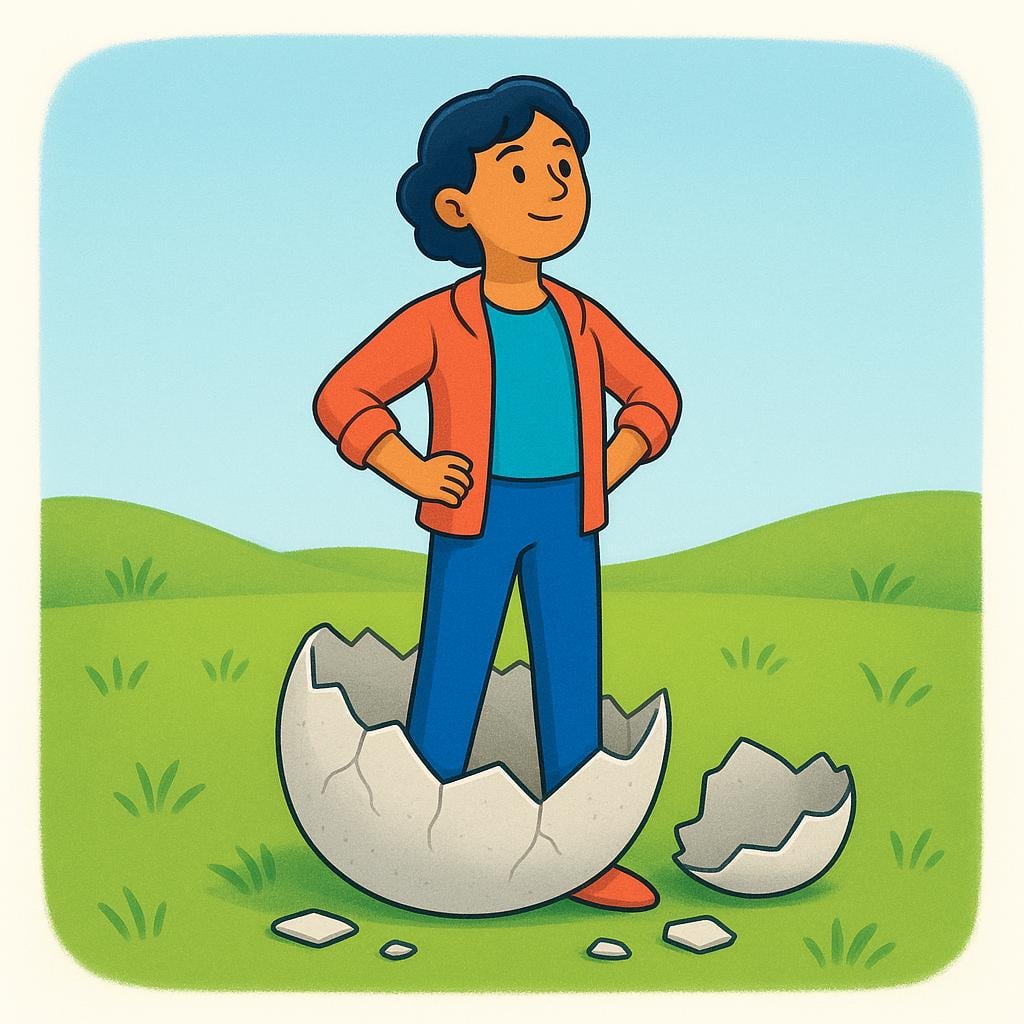
“convertirme” means “to become (myself)” in Spanish. It has 2 different meanings depending on context:


to become (myself)Also: to turn into (myself), to change (myself)
📝 In Action
Quiero convertirme en un experto en programación.
A2I want to become an expert in programming.
Decidí convertirme en vegetariano después de ese viaje.
B1I decided to become a vegetarian after that trip.
Ella me preguntó cómo puedo convertirme en una persona más paciente.
B2She asked me how I can become a more patient person.
Word Connections
to convert (myself)Also: to be initiated

📝 In Action
Fue un proceso largo, pero logré convertirme al budismo.
B1It was a long process, but I managed to convert to Buddhism.
Antes de convertirme a esa filosofía, era muy escéptico.
B2Before converting to that philosophy, I was very skeptical.
Word Connections
Indicative
Present
Imperfect
Preterite
Subjunctive
Present Subjunctive
Imperfect Subjunctive
✏️ Quick Practice
Quick Quiz: convertirme
Question 1 of 2
Which sentence correctly uses 'convertirme' to express the idea of becoming a better person?
📚 More Resources
👥 Word Family
🎵 Rhymes
📚 Etymology
Comes from the Latin verb *convertere*, meaning 'to turn around' or 'to change completely.' The Spanish word kept the idea of changing direction or state, often applied to oneself.
First recorded: Around the 13th century
Cognates (Related words)
💡 Master Spanish
Take your Spanish to the next level. Read 200+ illustrated and narrated Spanish stories tailored to your level with the Inklingo app!
Frequently Asked Questions
Why does 'convertirme' have 'me' attached to the end?
The 'me' is a personal pronoun meaning 'myself.' When you use an infinitive (the base verb form) like 'convertir,' you attach the pronoun to the end to show that you are performing the action on yourself, meaning 'to convert myself' or 'to become'.
Can I separate the 'me' from 'convertirme'?
Yes, absolutely! If you use another verb before 'convertirme' (like 'Quiero'), you can either attach the 'me' (Quiero convertirme) or place the 'me' before the first verb (Me quiero convertir). Both ways are correct and very common.