convulsión
“convulsión” means “seizure” in Spanish. It has 2 different meanings depending on context:
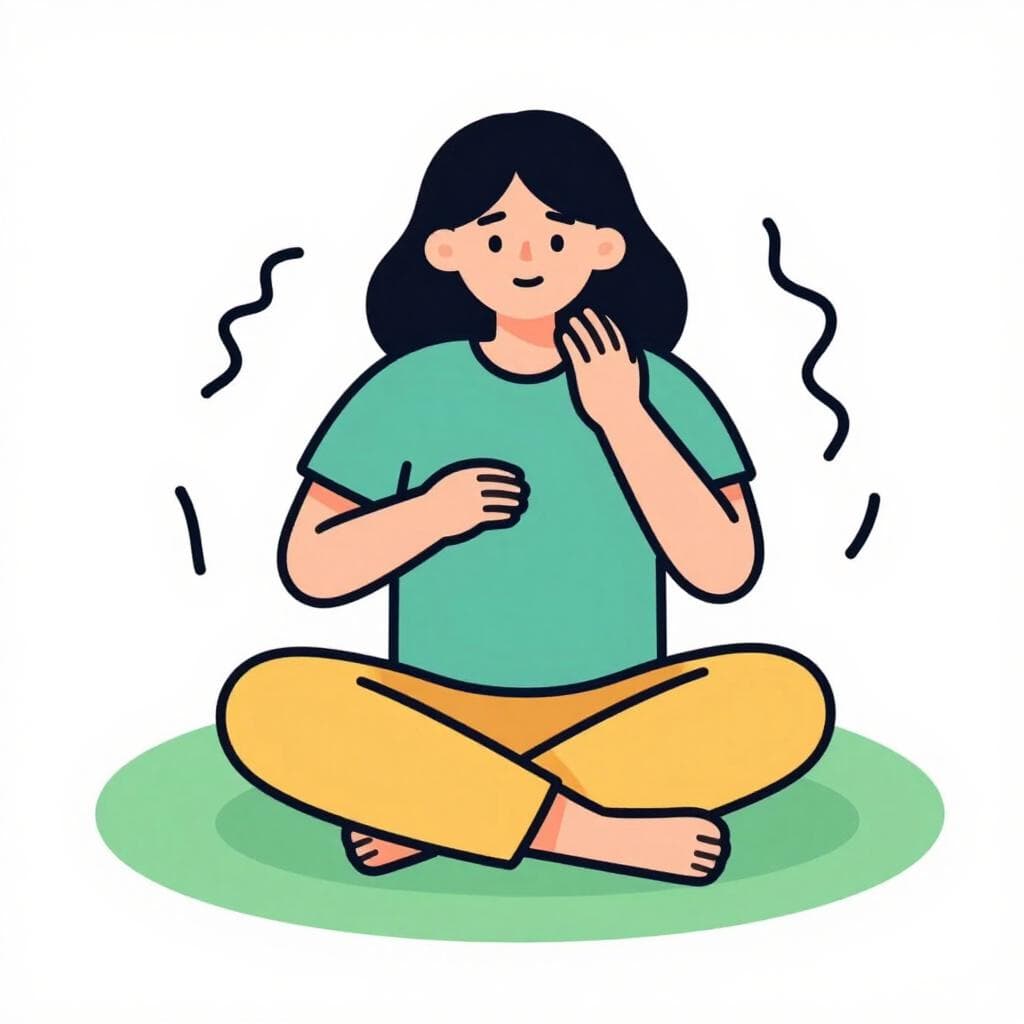

seizureAlso: convulsion, spasm
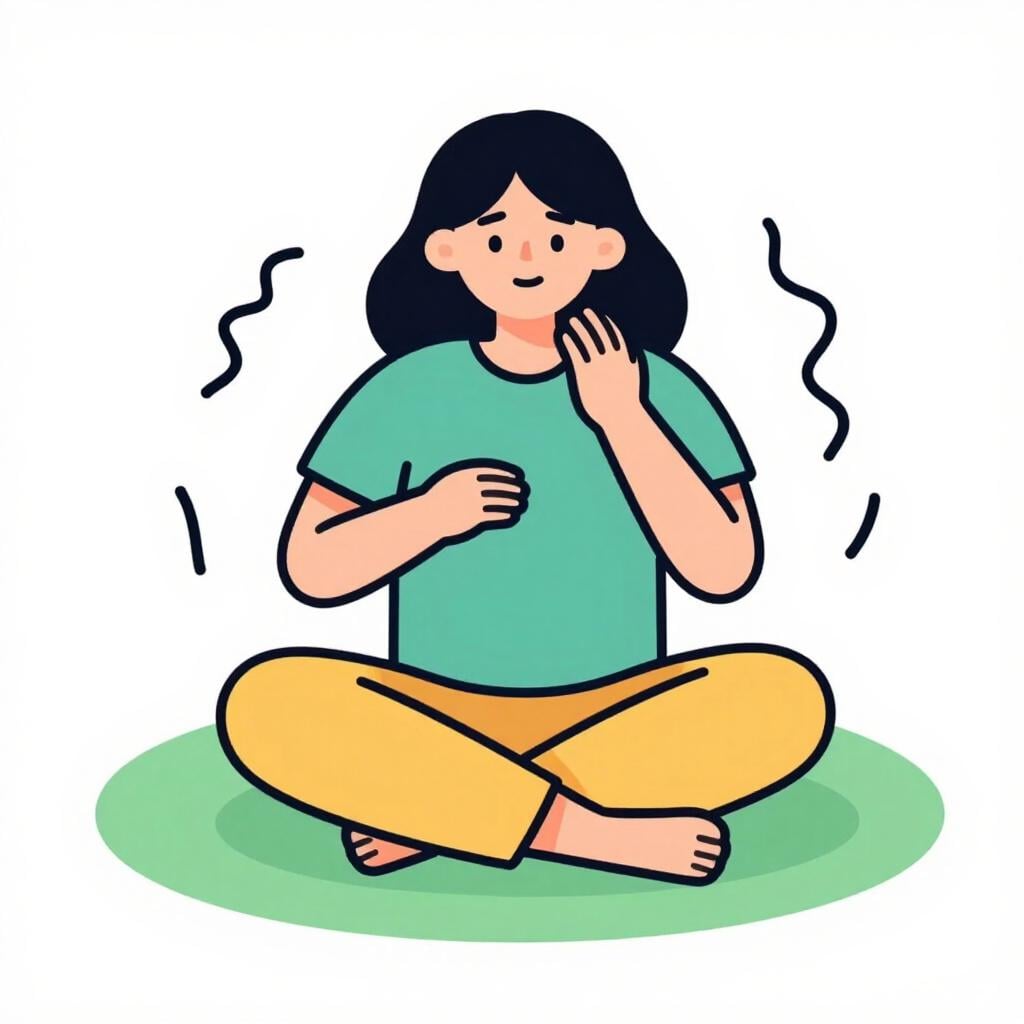
📝 In Action
El niño tuvo una convulsión debido a la fiebre alta.
B2The child had a seizure due to the high fever.
Es importante mantener la calma durante una convulsión.
B2It is important to stay calm during a seizure.
Las convulsiones pueden ser aterradoras de ver.
B1Seizures can be scary to watch.
Word Connections
upheavalAlso: turmoil, disturbance

📝 In Action
El país atraviesa una etapa de convulsión política.
C1The country is going through a stage of political upheaval.
La caída del muro provocó una convulsión social en toda Europa.
C2The fall of the wall caused social turmoil throughout Europe.
Hubo una convulsión en los mercados financieros tras la noticia.
C1There was a disturbance in the financial markets following the news.
Word Connections
Translate to Spanish
Words that translate to "convulsión" in Spanish:
✏️ Quick Practice
Quick Quiz: convulsión
Question 1 of 3
If a country is experiencing a 'convulsión política', what is happening?
📚 More Resources
👥 Word Family
🎵 Rhymes
📚 Etymology
From the Latin word 'convulsio', which describes a 'tearing or pulling together'. It was originally used to describe muscles pulling against each other.
First recorded: 13th century
Cognates (Related words)
💡 Master Spanish
Take your Spanish to the next level. Read 200+ illustrated and narrated Spanish stories tailored to your level with the Inklingo app!
Frequently Asked Questions
Is 'convulsión' the same as 'ataque'?
Not exactly. 'Convulsión' is a specific medical term for muscle shaking. 'Ataque' is a broader word that can mean any kind of medical fit, like a heart attack (ataque al corazón) or a panic attack (ataque de pánico).
Can I use 'convulsión' to describe a joke that makes me shake with laughter?
It is very rare. Usually, you would use 'ataque de risa' (fit of laughter) instead.
Does this word always have an accent?
Only when it is singular. In the plural form (convulsiones), the accent is removed.