descalificar
“descalificar” means “to disqualify” in Spanish. It has 2 different meanings depending on context:
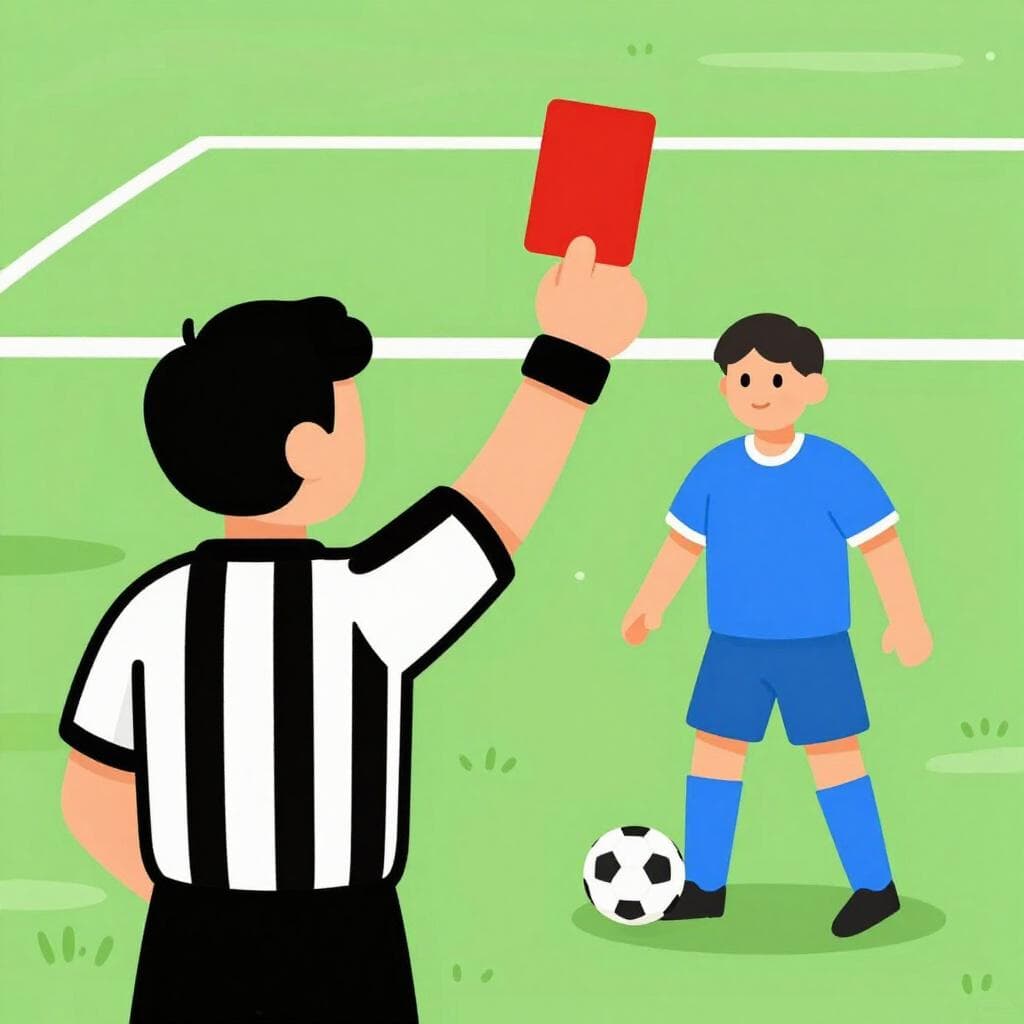

to disqualify
Also: to declare ineligible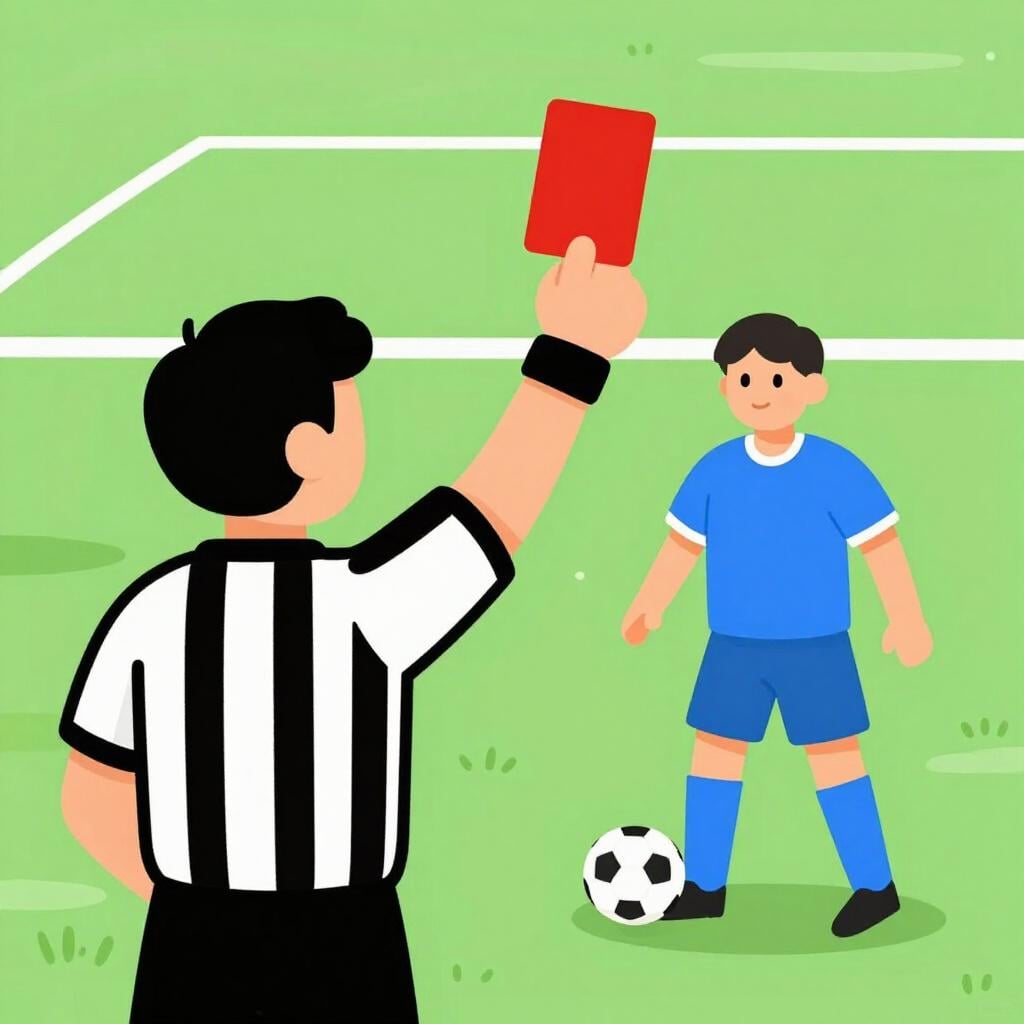
📝 In Action
El árbitro decidió descalificar al corredor por una salida en falso.
B1The referee decided to disqualify the runner for a false start.
Si no entregas los documentos a tiempo, te pueden descalificar del proceso.
B1If you don't turn in the documents on time, they can disqualify you from the process.
Tres atletas fueron descalificados tras la prueba de dopaje.
B2Three athletes were disqualified after the drug test.
to discredit
Also: to disparage, to run down
📝 In Action
No deberías descalificar sus ideas sin antes escucharlas.
B2You shouldn't discredit her ideas without listening to them first.
El candidato intentó descalificar a su oponente con ataques personales.
C1The candidate tried to disparage his opponent with personal attacks.
Es fácil descalificar el trabajo de otros desde la barrera.
B2It's easy to run down others' work from the sidelines.
Subjunctive
Imperfect Subjunctive
Present Subjunctive
Indicative
Preterite
Imperfect
Present
Translate to Spanish
✏️ Quick Practice
Quick Quiz: descalificar
Question 1 of 3
Which form of 'descalificar' is used in the 'yo' form of the past tense (Preterite)?
📚 More Resources
👥 Word Family▼
🎵 Rhymes▼
📚 Etymology▼
Formed by adding the prefix 'des-' (meaning 'undo' or 'remove') to the verb 'calificar' (to qualify). 'Calificar' comes from the Latin 'qualis' (of what kind) and 'facere' (to make).
First recorded: 17th century
Cognates (Related words)
💡 Master Spanish
Take your Spanish to the next level. Read 200+ illustrated and narrated Spanish stories tailored to your level with the Inklingo app!
Frequently Asked Questions
Is 'descalificar' always a bad thing?
Usually, yes. In sports, it means you were kicked out for a rule violation. In conversation, it means you are dismissing someone's value or ideas unfairly.
What is the difference between 'criticar' and 'descalificar'?
To 'criticar' is just to give an opinion (good or bad). To 'descalificar' is more aggressive; it aims to prove that the person or idea is totally invalid or not worthy of being heard.
Does the spelling change happen in all tenses?
No, only when the ending starts with an 'e'. This happens in the 'yo' form of the past (Preterite) and in all forms of the Subjunctive.