descubrieron
“descubrieron” means “they discovered” in Spanish (finding something for the first time).
they discovered
Also: you all discovered, they found out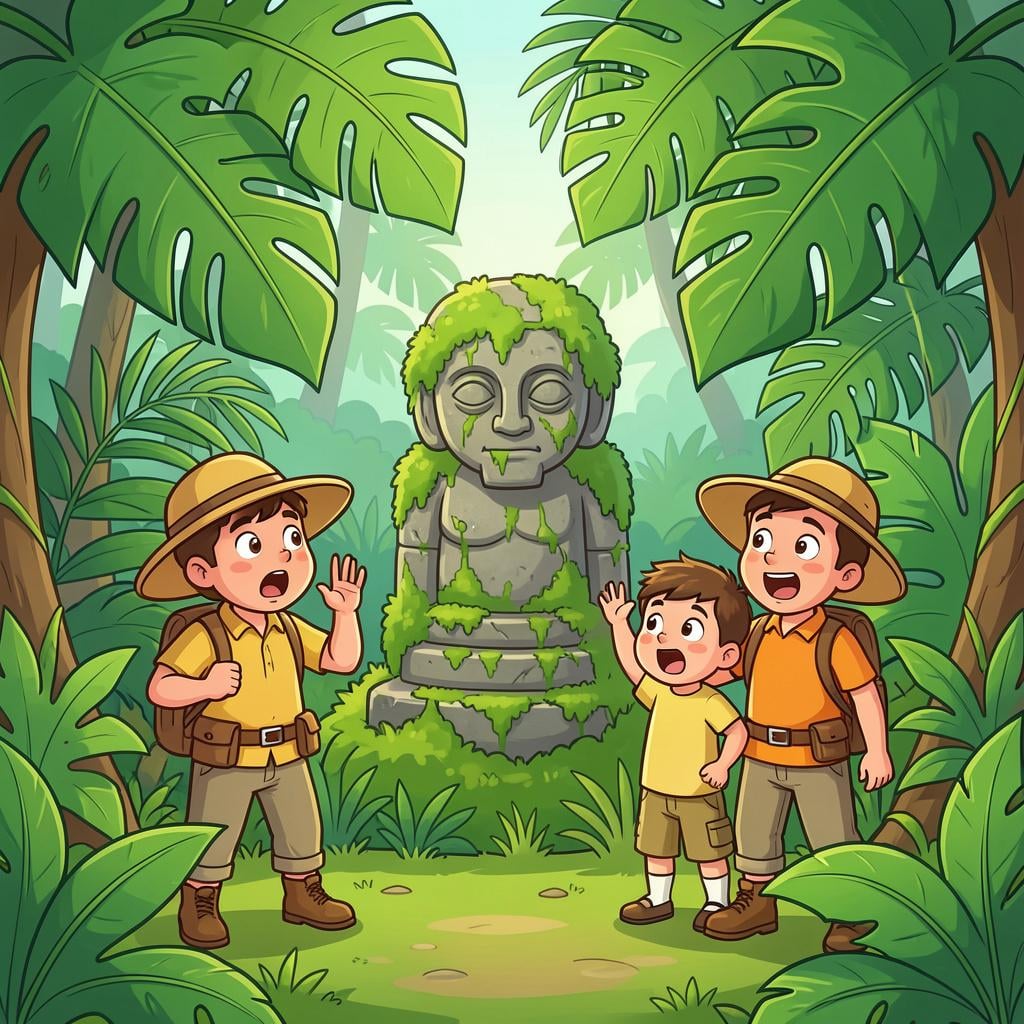
📝 In Action
Ellos descubrieron una cueva antigua en el bosque.
A2They discovered an ancient cave in the forest.
Ustedes descubrieron el secreto muy rápido.
B1You all found out the secret very quickly.
Los científicos descubrieron una nueva cura.
A2The scientists discovered a new cure.
🔄 Conjugations
subjunctive
imperfect
present
indicative
preterite
imperfect
present
Translate to Spanish
Words that translate to "descubrieron" in Spanish:
they discovered→✏️ Quick Practice
Quick Quiz: descubrieron
Question 1 of 2
If you want to say 'They discovered a secret,' which word would you use?
📚 More Resources
👥 Word Family▼
📚 Etymology▼
From the Latin 'discooperire', which literally means 'to uncover' or 'to take the lid off'.
First recorded: 12th century
Cognates (Related words)
💡 Master Spanish
Take your Spanish to the next level. Read 200+ illustrated and narrated Spanish stories tailored to your level with the Inklingo app!
Frequently Asked Questions
Is 'descubrieron' irregular?
Actually, the preterite (past tense) of 'descubrir' is regular! However, the past participle 'descubierto' (discovered) is irregular.
How do I know if it means 'they' or 'you all'?
You usually tell by the context or if the speaker uses the word 'Ustedes' (you all) or 'Ellos' (they) before the verb.