dote
“dote” means “talent” in Spanish. It has 2 different meanings depending on context:
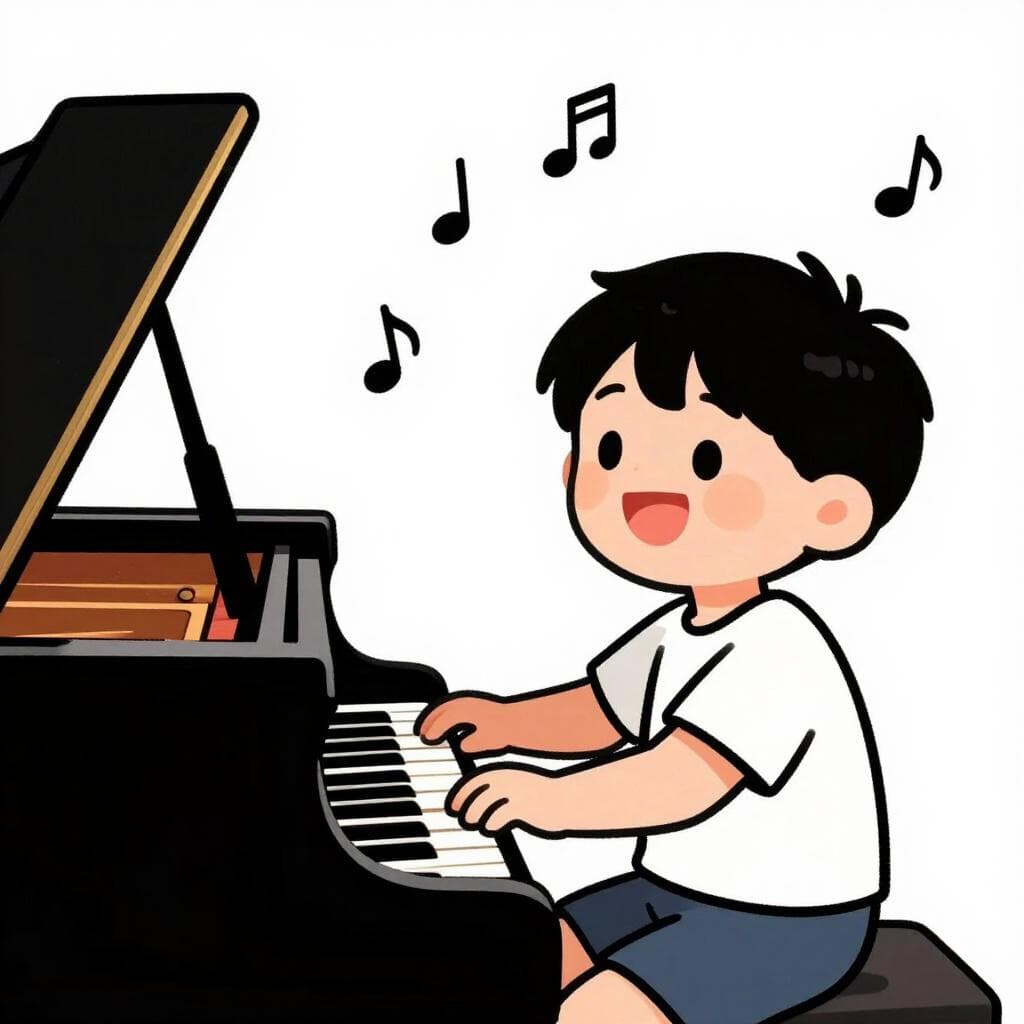

talent, giftAlso: skills
📝 In Action
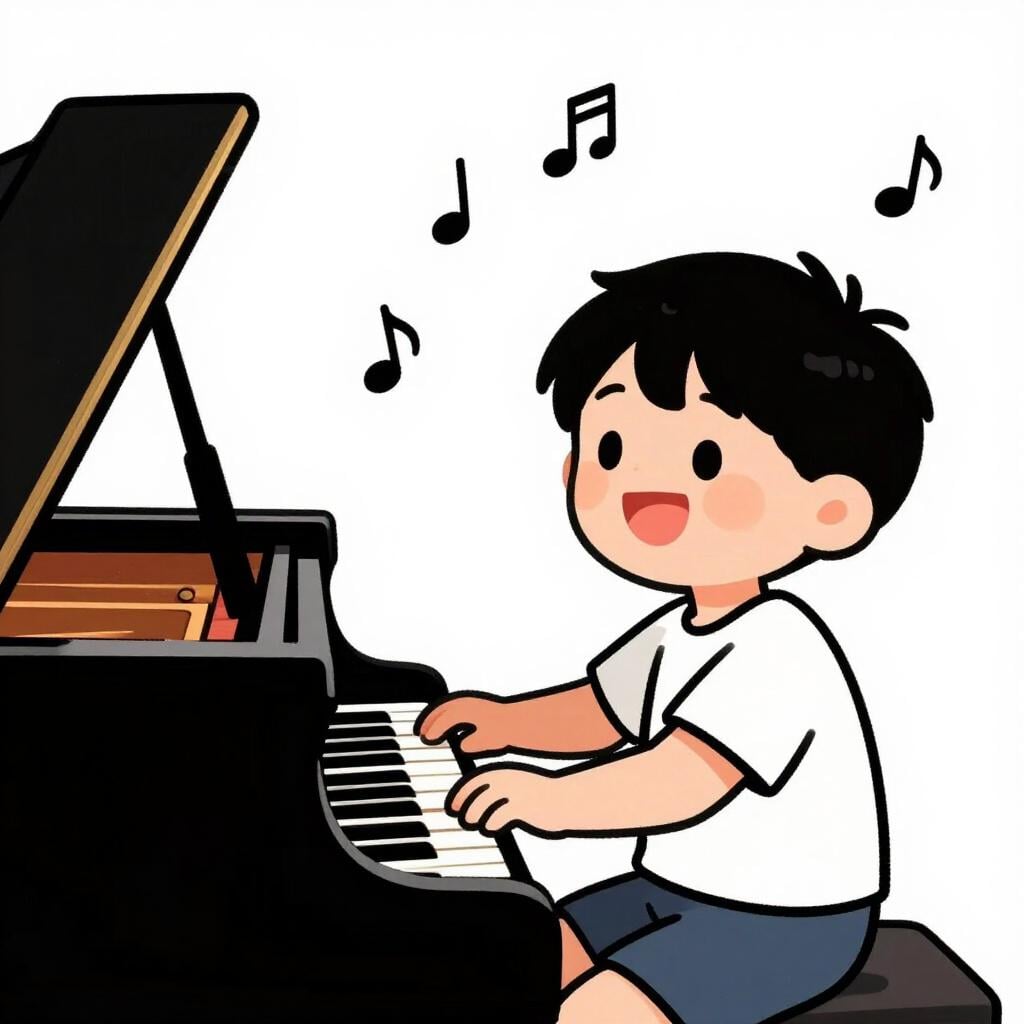
Ella tiene grandes dotes para la música.
B1She has great talent for music.
Sus dotes de mando impresionaron a todo el equipo.
B2His leadership skills impressed the whole team.
Para ser un buen comercial, hay que tener dotes de gentes.
C1To be a good salesman, you need to have people skills.
Word Connections
dowry

📝 In Action
En el siglo XIX, la dote era fundamental para el matrimonio.
B2In the 19th century, the dowry was essential for marriage.
La familia de la novia no pudo pagar la dote acordada.
C1The bride's family couldn't pay the agreed-upon dowry.
Renunció a su dote para entrar en el convento.
C2She gave up her dowry to enter the convent.
Word Connections
✏️ Quick Practice
Quick Quiz: dote
Question 1 of 3
If someone is very good at leading people, what do they have?
📚 More Resources
👥 Word Family
📚 Etymology
From the Latin word 'dos, dotis', which referred to a marriage gift or a property brought into a union.
First recorded: 13th century
Cognates (Related words)
💡 Master Spanish
Take your Spanish to the next level. Read 200+ illustrated and narrated Spanish stories tailored to your level with the Inklingo app!
Frequently Asked Questions
Is 'dote' a verb?
Not as an infinitive, but 'dote' is a form of the verb 'dotar' (to provide/endow). For example: 'Espero que el gobierno dote a la escuela de libros' (I hope the government provides the school with books).
What is the difference between 'don' and 'dote'?
Both mean 'gift' or 'talent'. However, 'don' is usually a single, almost magical natural ability (like a 'gift from God'), while 'dotes' often refers to a set of skills or qualities (like leadership or social skills).
Can I use 'dote' to mean a tip at a restaurant?
No. A tip is 'propina'. 'Dote' only refers to marriage dowries or natural talents.