How to Say "talent" in Spanish
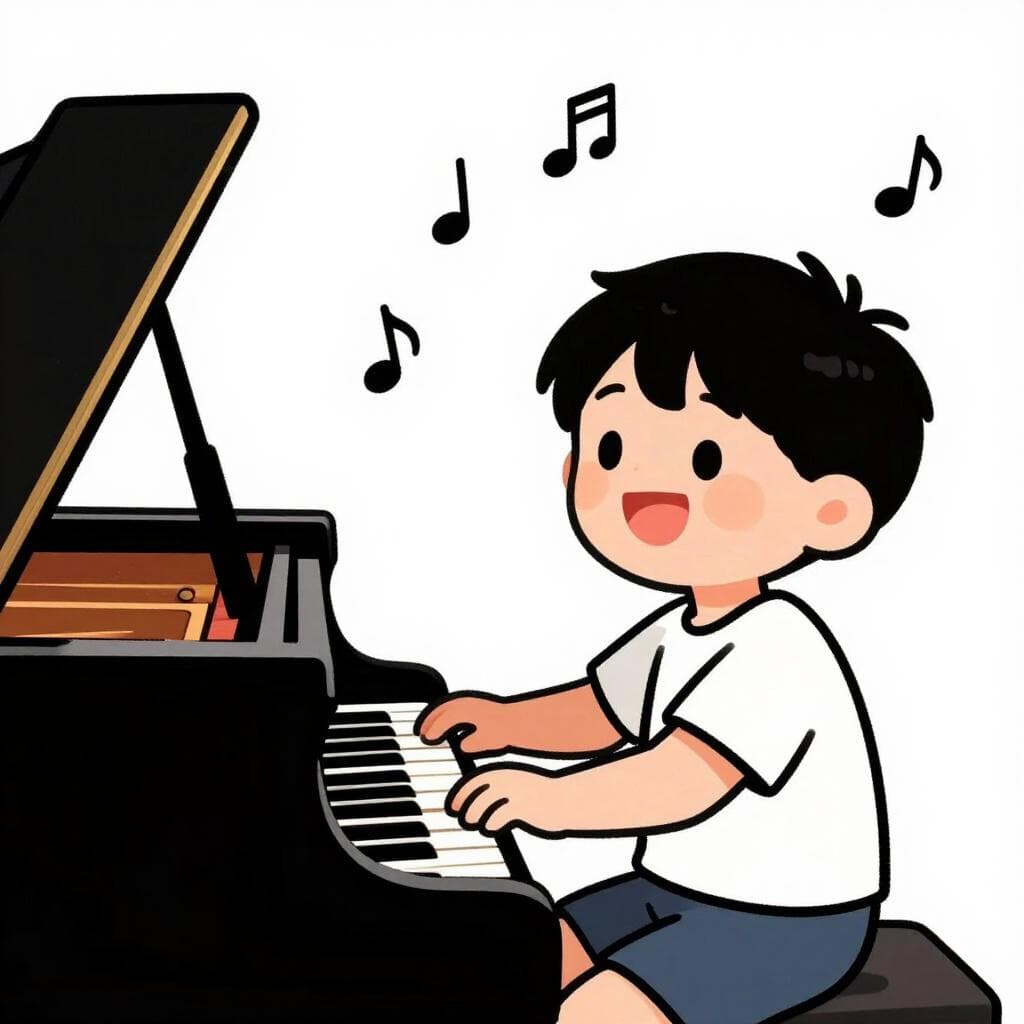
The most common Spanish word for “talent” is “talento” — use 'talento' for a general, natural aptitude or ability in any field, often referring to a significant skill.





talento
tah-LEHN-tohtaˈlento

Examples
Mi hermana tiene un gran talento para dibujar retratos.
My sister has great talent for drawing portraits.
Necesitas más práctica que talento para dominar este deporte.
You need more practice than talent to master this sport.
Descubrieron su talento cuando solo tenía cinco años.
They discovered his talent when he was only five years old.
Gender Check
Even though it ends in 'o', 'talento' is a masculine noun and always uses 'el' or 'un'. (e.g., El talento, un talento).
Using the Wrong Preposition
Mistake: “Tiene talento a la música.”
Correction: Tiene talento para la música. (Use 'para' when talking about the area where the talent exists.)
habilidad
ah-bee-lee-DAHDaβiliˈðað

Examples
Mi hermano tiene una gran habilidad para dibujar.
My brother has a great skill for drawing.
Necesitas demostrar tu habilidad antes de conseguir el trabajo.
You need to show your ability before getting the job.
La habilidad de adaptarse al cambio es crucial en este campo.
The ability to adapt to change is crucial in this field.
Always Feminine
All Spanish nouns that end in -dad (like 'ciudad', 'verdad', 'habilidad') are feminine. You must always use 'la' or 'una' before them.
Gender Confusion
Mistake: “El habilidad”
Correction: La habilidad. Remember the -dad ending is a strong signal that the word is feminine.
facilidad
fah-see-lee-dahdfasi.liˈðað

Examples
Juan tiene facilidad para los idiomas.
Juan has a knack for languages.
Tiene mucha facilidad de palabra.
He is very well-spoken / has a gift for words.
brillo
BREE-yohˈbɾiʎo

Examples
El joven escritor mostró un brillo intelectual que sorprendió a todos.
The young writer showed an intellectual brilliance that surprised everyone.
La actriz actuó con un brillo inigualable en el escenario.
The actress performed with unparalleled brilliance (or intensity) on stage.
Figurative Use
Think of this meaning as describing someone or something that 'shines' or stands out because of its quality or skill.
dote
doh-tehˈdote

Examples
Ella tiene grandes dotes para la música.
She has great talent for music.
Sus dotes de mando impresionaron a todo el equipo.
His leadership skills impressed the whole team.
Para ser un buen comercial, hay que tener dotes de gentes.
To be a good salesman, you need to have people skills.
Always Feminine
Even though it ends in 'e', which can be tricky, this word is always feminine (la dote / las dotes).
Usually Plural for Talents
When talking about someone's natural abilities, we almost always use the plural form: 'las dotes'.
The 'El' Trap
Mistake: “El dote de gentes.”
Correction: Las dotes de gentes. (Remember, talents are feminine and usually plural!)
madera
mah-DEH-rahmaˈðeɾa

Examples
Este joven tiene madera de campeón.
This young person has the makings of a champion.
Creo que tienes madera para ser un gran jefe.
I think you have the potential to be a great boss.
Al principio dudaba, pero demostró tener mucha madera para el baile.
At first, I doubted it, but she showed she had a lot of talent for dancing.
Figurative Use
This meaning is almost always used in the construction 'tener madera de...' (to have the wood/stuff of...) followed by the role or goal, like 'campeón' or 'artista'.
Using 'la' or 'una'
Mistake: “Decir 'Tiene la madera para ser doctor.'”
Correction: When used figuratively, 'madera' usually does NOT take the definite article 'la'. Say: 'Tiene madera para ser doctor.' (He has the potential to be a doctor).
ingenio
een-HEN-yohinˈxenjo
Examples
Tuvo el ingenio de arreglar el coche con un clip.
He had the ingenuity to fix the car with a paperclip.
Es una comedia llena de ingenio y humor.
It is a comedy full of wit and humor.
Para sobrevivir en la selva, necesitó todo su ingenio.
To survive in the jungle, he needed all his cleverness.
Using 'el' with Ingenio
Even though it starts with an 'i', this word is masculine, so always use 'el ingenio' or 'un ingenio'.
Ingenio vs. Inteligencia
While 'inteligencia' is about general brain power, 'ingenio' specifically refers to being 'scrappy' or creative in finding solutions.
Confusing 'ingenio' with 'engine'
Mistake: “Usar 'ingenio' para hablar del motor de un coche.”
Correction: Use 'motor' for a car engine. Use 'ingenio' for the human quality of cleverness.
Talento vs. Habilidad
Related Translations
Learn Spanish with Inklingo
Interactive stories, personalized learning, and more.