How to Say "skill" in Spanish
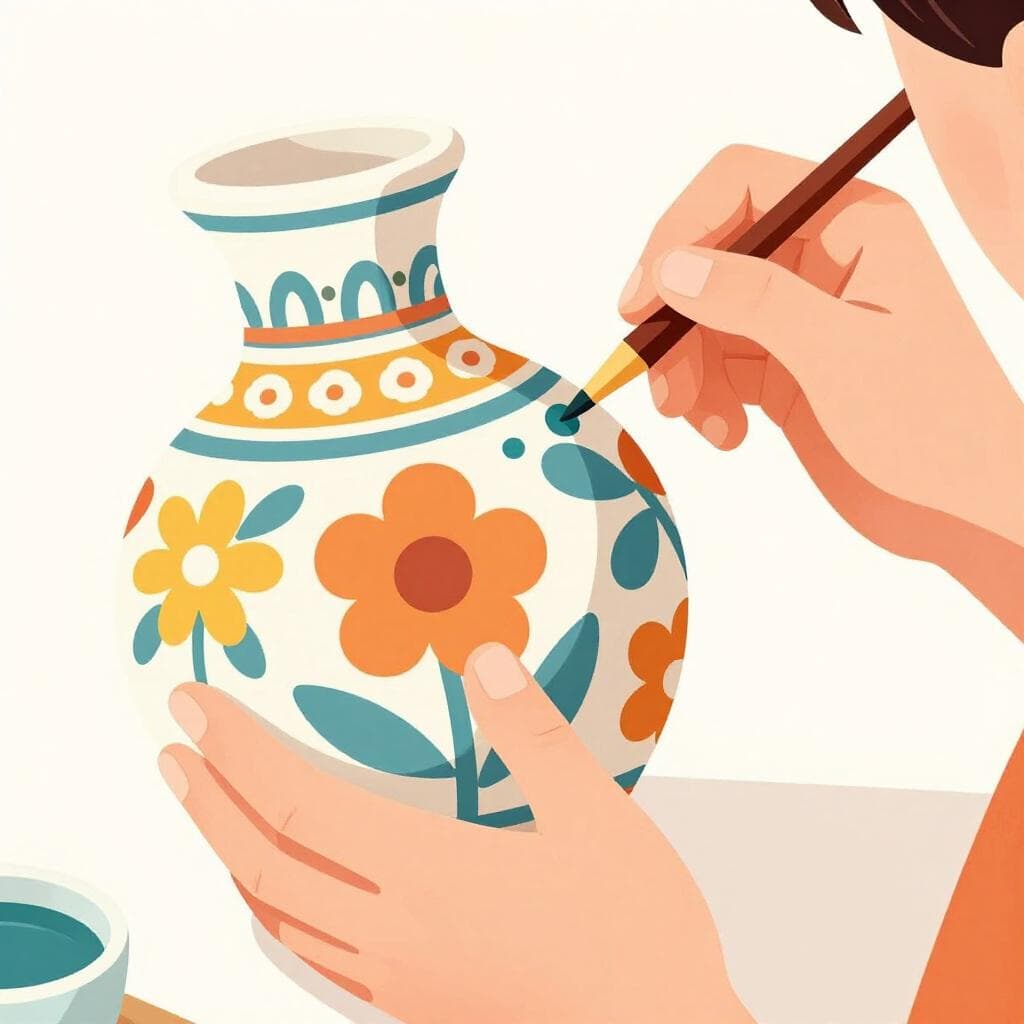
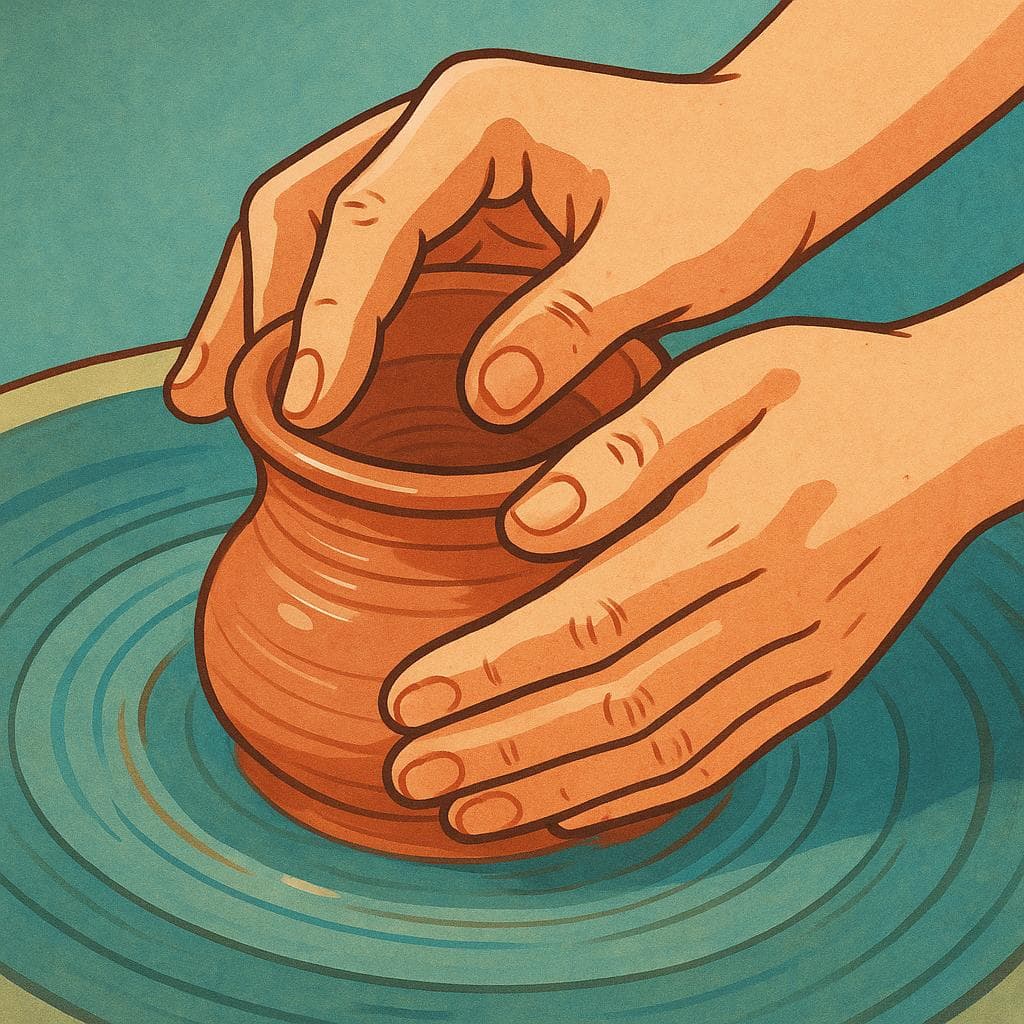
The most common Spanish word for “skill” is “habilidad” — use 'habilidad' for a general competence or ability, whether it's natural or learned, often implying ease or proficiency.



habilidad
ah-bee-lee-DAHDaβiliˈðað

Examples
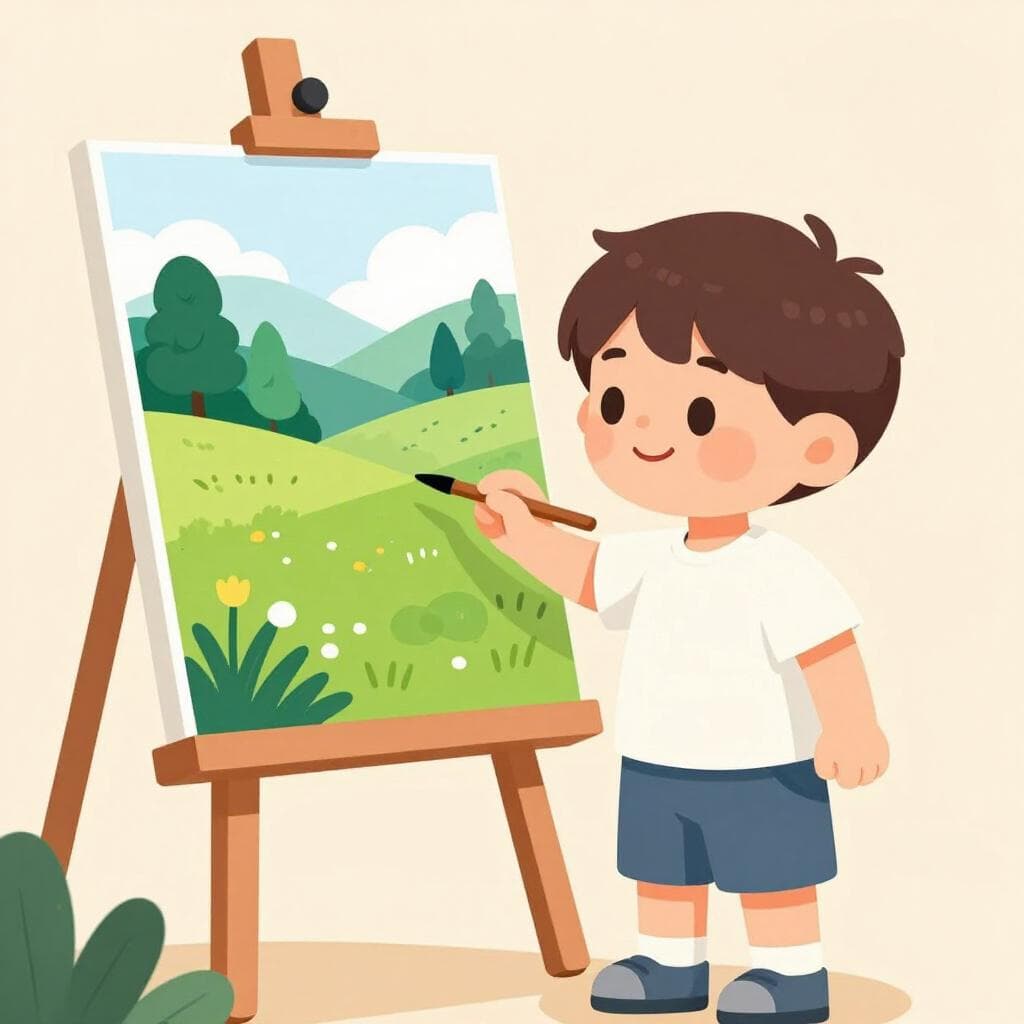
Mi hijo tiene una gran habilidad para los videojuegos.
My son has a great skill for video games.
Mi hermano tiene una gran habilidad para dibujar.
My brother has a great skill for drawing.
Necesitas demostrar tu habilidad antes de conseguir el trabajo.
You need to show your ability before getting the job.
La habilidad de adaptarse al cambio es crucial en este campo.
The ability to adapt to change is crucial in this field.
Always Feminine
All Spanish nouns that end in -dad (like 'ciudad', 'verdad', 'habilidad') are feminine. You must always use 'la' or 'una' before them.
Gender Confusion
Mistake: “El habilidad”
Correction: La habilidad. Remember the -dad ending is a strong signal that the word is feminine.
talento
tah-LEHN-tohtaˈlento
Examples
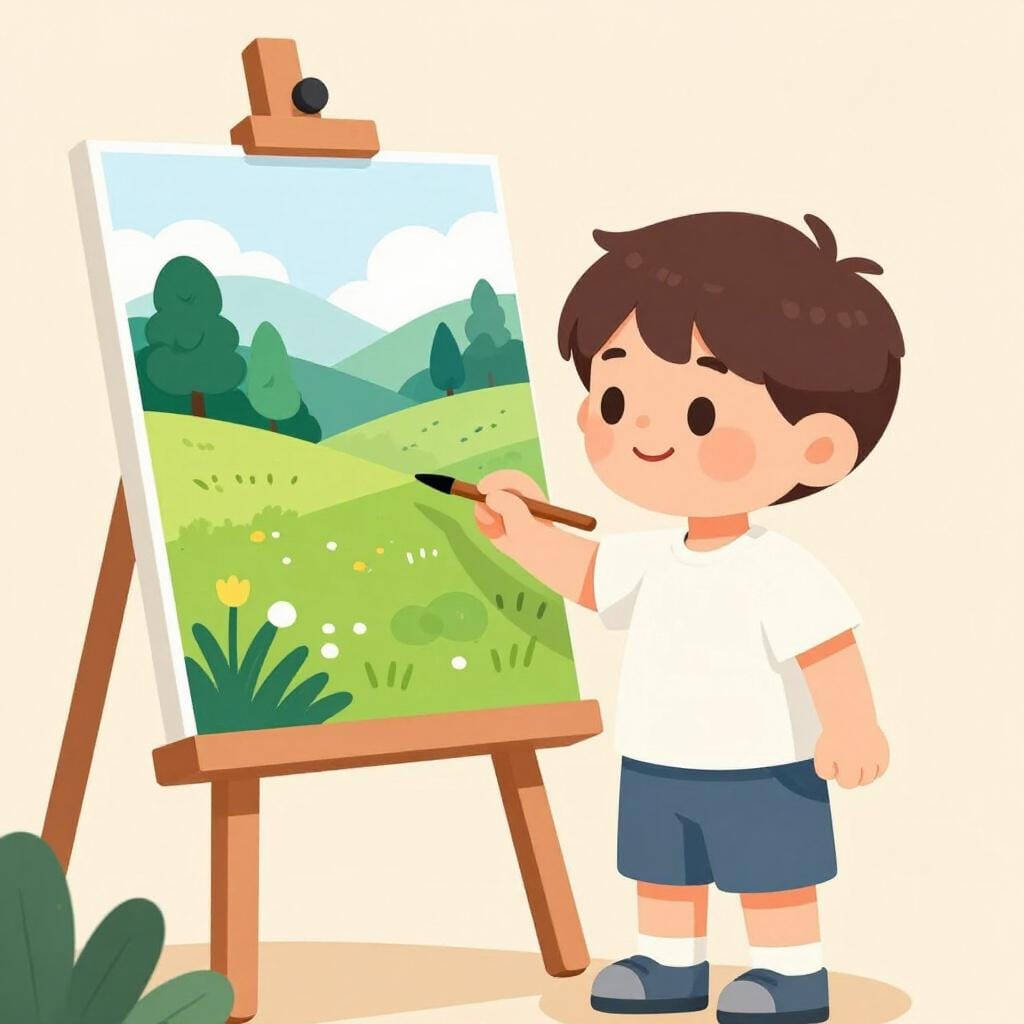
Ella tiene un gran talento para la música.
She has a great skill (talent) for music.
Mi hermana tiene un gran talento para dibujar retratos.
My sister has great talent for drawing portraits.
Necesitas más práctica que talento para dominar este deporte.
You need more practice than talent to master this sport.
Descubrieron su talento cuando solo tenía cinco años.
They discovered his talent when he was only five years old.
Gender Check
Even though it ends in 'o', 'talento' is a masculine noun and always uses 'el' or 'un'. (e.g., El talento, un talento).
Using the Wrong Preposition
Mistake: “Tiene talento a la música.”
Correction: Tiene talento para la música. (Use 'para' when talking about the area where the talent exists.)
destreza
des-TREH-sahdesˈtɾeθa
Examples
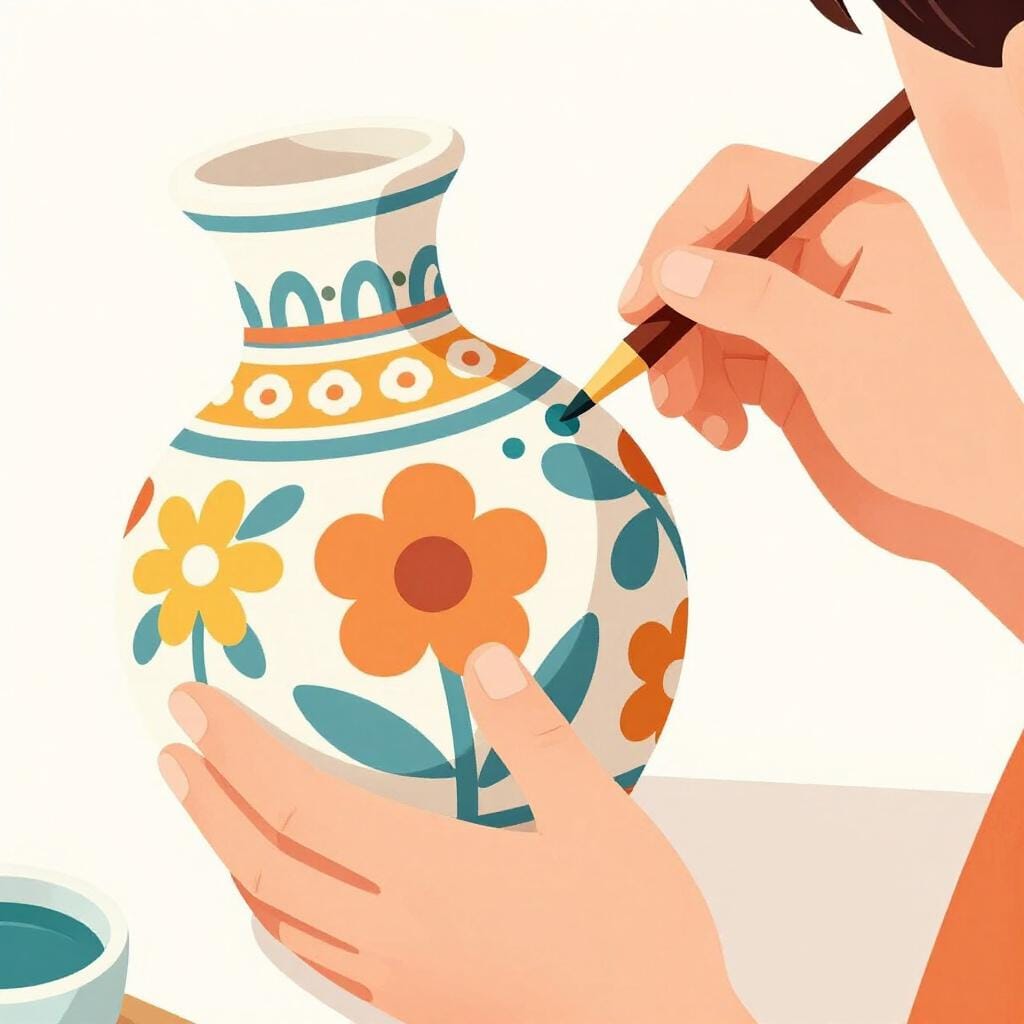
El mecánico demostró gran destreza al reparar el coche.
The mechanic showed great skill (dexterity) in repairing the car.
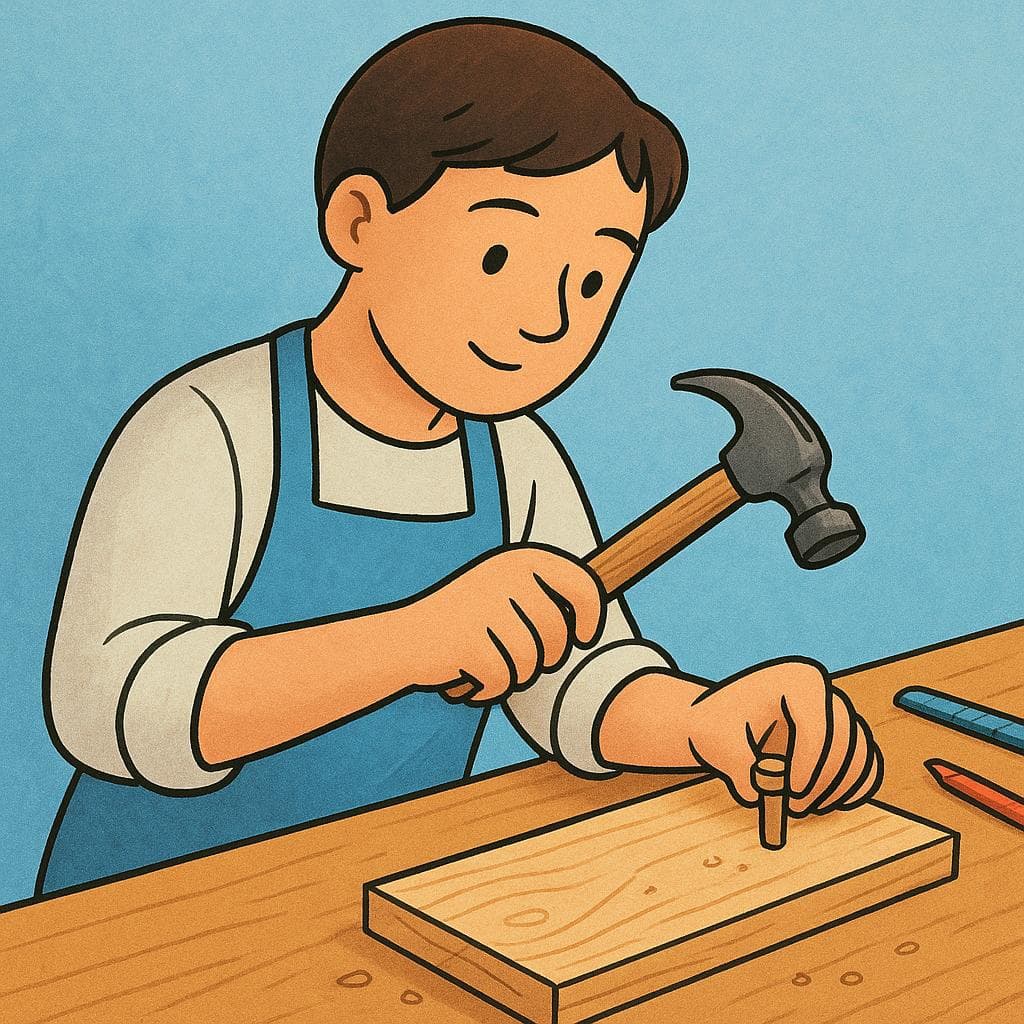
El carpintero maneja las herramientas con gran destreza.
The carpenter handles the tools with great skill.
Ella tiene mucha destreza para resolver acertijos matemáticos.
She has a lot of dexterity for solving mathematical puzzles.
Adquirir esta destreza requiere años de práctica constante.
Acquiring this skill requires years of constant practice.
Gender check
Destreza is a feminine noun. Always use 'la' or 'una' and make sure any describing words end in 'a' (e.g., 'mucha destreza').
Connecting to actions
When saying what you are skilled 'at', use the preposition 'para' followed by a noun or a verb in its base form (e.g., 'destreza para el baile' or 'destreza para bailar').
Confusing with 'Derecha'
Mistake: “Tengo mucha derecha en los deportes.”
Correction: Tengo mucha destreza en los deportes. 'Derecha' means the right side/hand, while 'destreza' means the talent or skill itself.
competencia
com-peh-TEN-see-ahkompeˈtensja

Examples
El candidato demostró su competencia en programación.
The candidate demonstrated his skill (competence) in programming.
Ella demostró una gran competencia lingüística en la entrevista.
She demonstrated great linguistic competence (or skill) in the interview.
Ese tribunal no tiene competencia para juzgar este caso.
That court does not have jurisdiction (or authority) to judge this case.
Mi competencia principal es la gestión de proyectos.
My main competence (or skill) is project management.
Using with Prepositions
Often paired with 'en' (in/at) when describing the area of skill: 'competencia en matemáticas' (competence in math).
Mixing Meanings
Mistake: “Saying 'Tengo mucha competencia' when you mean 'I have great skill'.”
Correction: This sounds like 'I have a lot of rivals.' Use 'Tengo mucha habilidad' or 'Tengo mucha capacidad' instead to avoid confusion.
técnica
Examples
Necesitas dominar la técnica de nado a mariposa.
You need to master the butterfly swimming technique (skill).
arte
ar-teˈaɾte
Examples
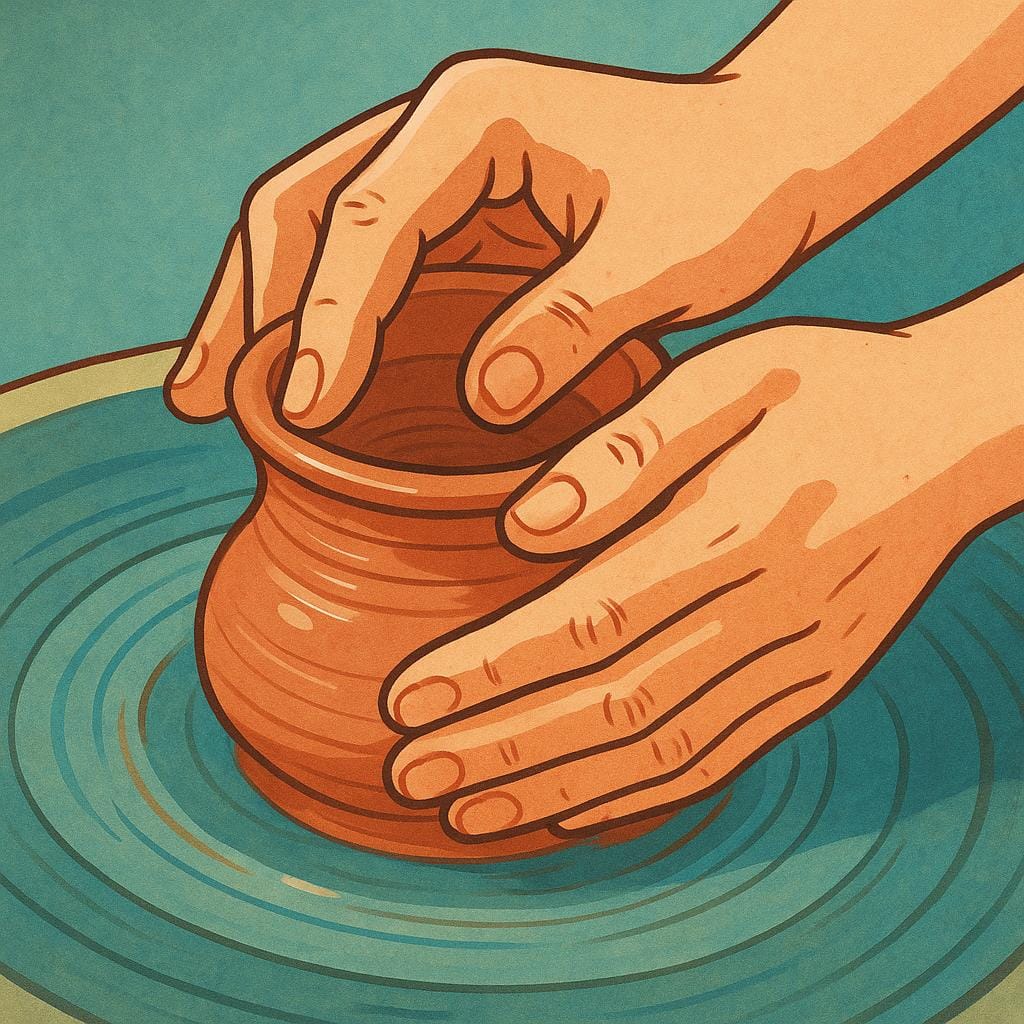
La chef tiene un arte especial para la repostería.
The chef has a special skill (art) for pastry.
La costurera tiene un gran arte para diseñar vestidos.
The seamstress has a great skill for designing dresses.
El arte de la oratoria es saber qué decir y cuándo callar.
The art of public speaking is knowing what to say and when to be quiet.
Hacer ese postre es todo un arte; requiere paciencia.
Making that dessert is quite a craft; it requires patience.
Used for Mastery
In this meaning, 'arte' describes not just any ability, but a highly developed, almost creative mastery of a particular activity (like cooking, debating, or negotiation).
industria
in-DUS-triainˈdustɾja
Examples
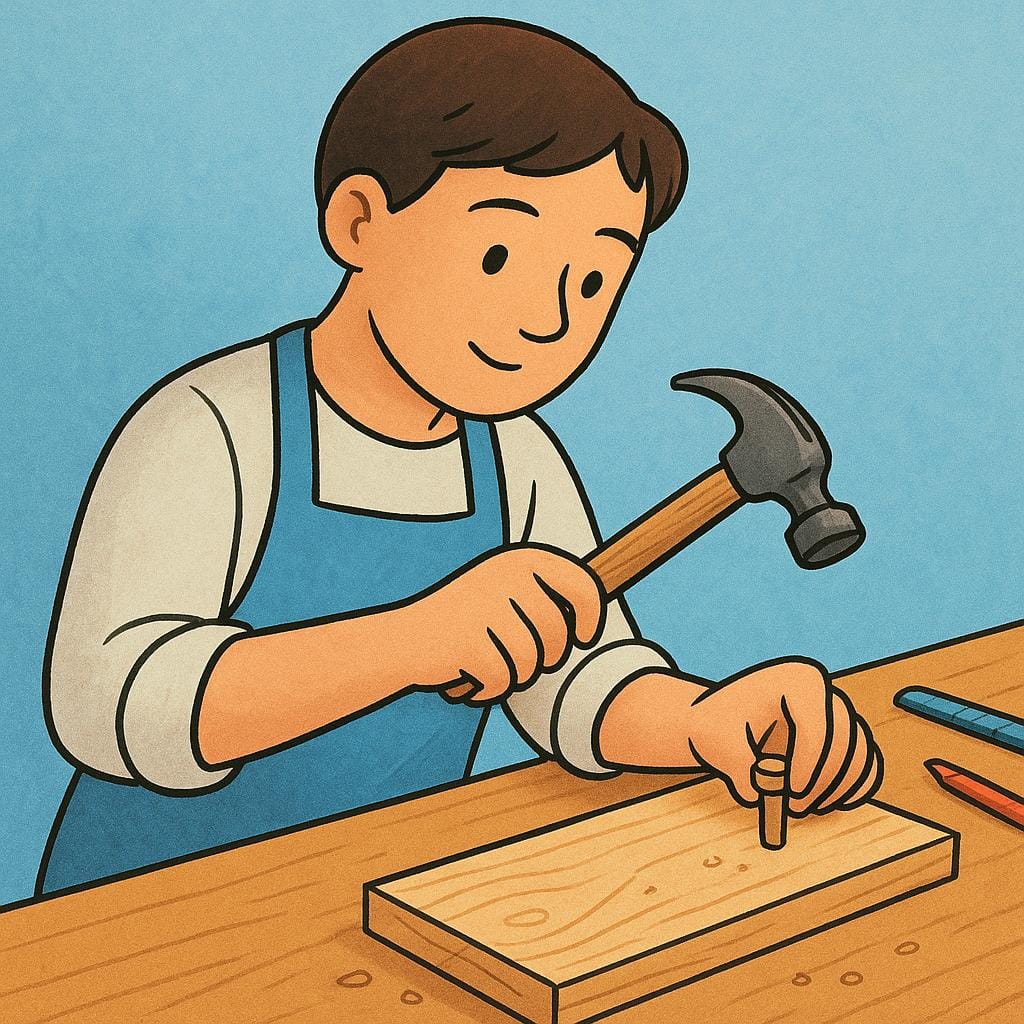
Con gran industria, logró arreglar la máquina.
With great skill (ingenuity), he managed to fix the machine.
Demostró gran industria al reparar el motor él mismo.
He showed great skill/ingenuity in repairing the engine himself.
Gracias a su industria, la familia prosperó.
Thanks to their diligence/hard work, the family prospered.
Formal Usage
This meaning is often found in conjunction with adjectives like 'gran' (great) or 'mucha' (much) to emphasize the effort or skill involved.
ciencia
SYEN-see-ah (Latin America) or thee-EN-thee-ah (Spain)ˈsjen.sja

Examples
No se puede saber a ciencia cierta si funcionará.
One cannot know for certain (with exact skill/knowledge) if it will work.
No podemos saber a ciencia cierta quién fue el culpable.
We cannot know for certain who the culprit was. (Literally: 'to certain knowledge')
Ese carpintero tiene mucha ciencia en el manejo de la madera.
That carpenter has great skill in handling wood.
Idiomatic Use
This meaning of 'ciencia' is almost exclusively used in the fixed phrase 'a ciencia cierta' to express certainty or lack thereof.
Habilidad vs. Talento vs. Destreza
Related Translations
Learn Spanish with Inklingo
Interactive stories, personalized learning, and more.