How to Say "craft" in Spanish
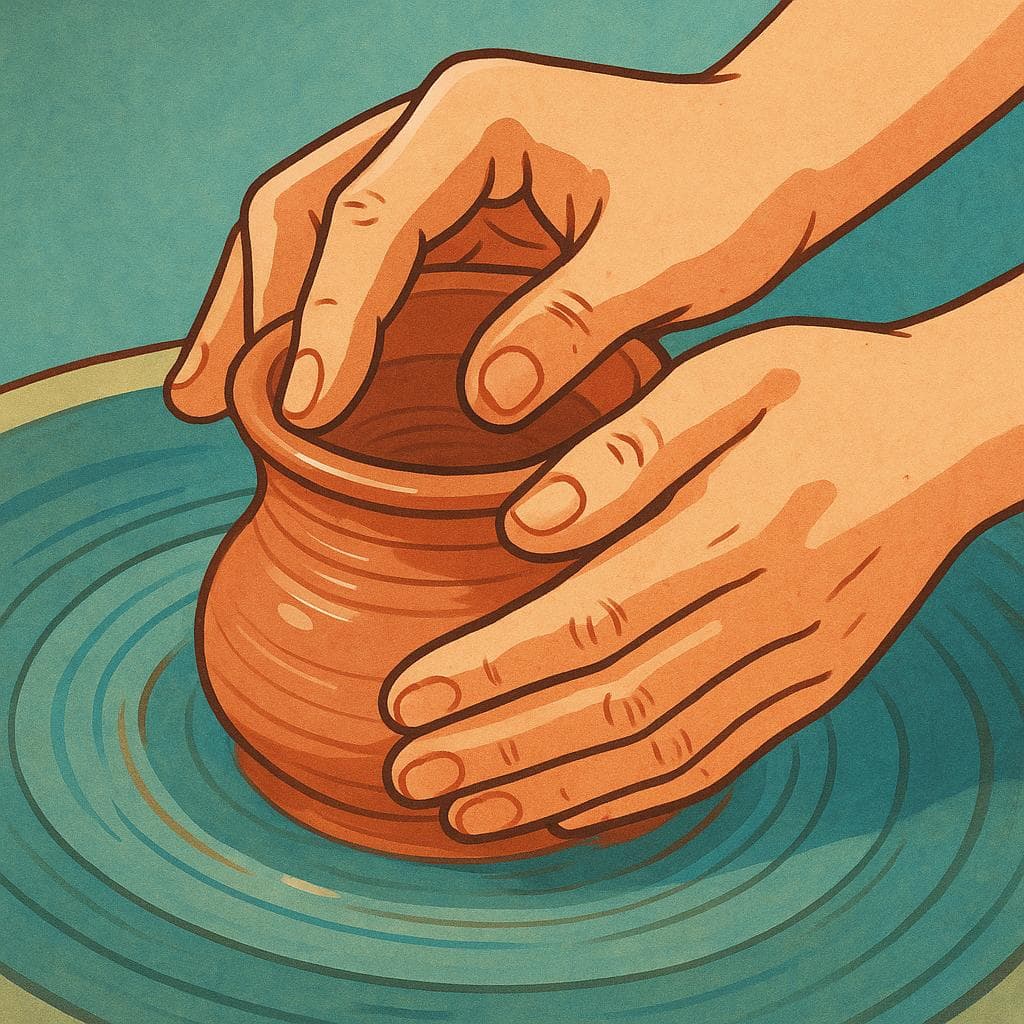
The most common Spanish word for “craft” is “oficio” — use 'oficio' when referring to a manual skill or trade learned through practice and experience, like a shoemaker or carpenter.



oficio
oh-FEE-syohoˈfiθjo

Examples
Mi abuelo aprendió el oficio de zapatero a los quince años.
My grandfather learned the trade of shoemaker when he was fifteen.
Se necesita mucha paciencia para dominar este oficio.
A lot of patience is needed to master this craft.
Masculine Noun
Even though 'oficio' ends in '-o', it is always used with masculine articles: 'el oficio', 'un oficio'.
arte
ar-teˈaɾte
Examples
La costurera tiene un gran arte para diseñar vestidos.
The seamstress has a great skill for designing dresses.
El arte de la oratoria es saber qué decir y cuándo callar.
The art of public speaking is knowing what to say and when to be quiet.
Hacer ese postre es todo un arte; requiere paciencia.
Making that dessert is quite a craft; it requires patience.
Used for Mastery
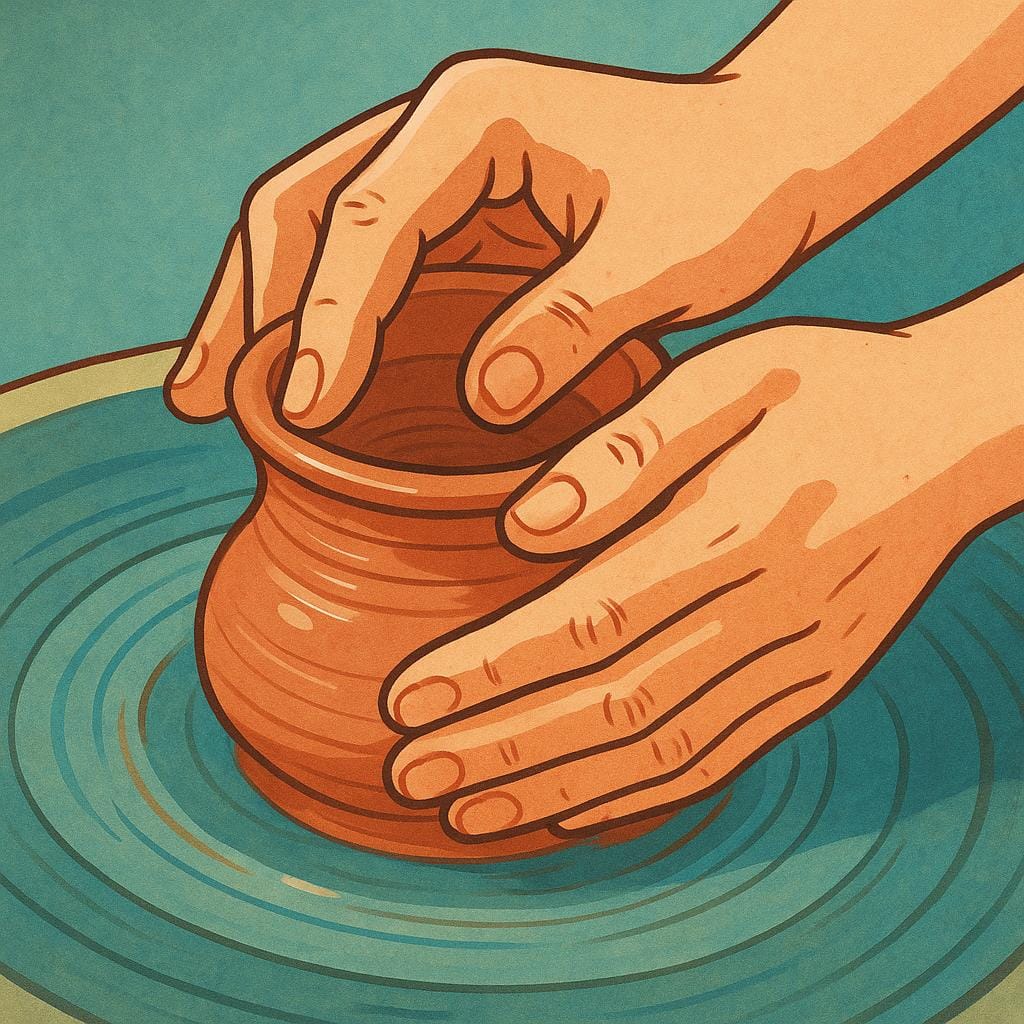
In this meaning, 'arte' describes not just any ability, but a highly developed, almost creative mastery of a particular activity (like cooking, debating, or negotiation).
artesano
ar-te-SAH-noaɾteˈsano

Examples
Este es un pan artesano de masa madre.
This is a handmade sourdough bread.
Compramos jabón artesano en la feria.
We bought artisanal soap at the fair.
La producción artesana es más lenta pero de mejor calidad.
Handmade production is slower but of better quality.
Matching the Noun
Since this is an adjective, its ending must change to match what you are describing: 'queso artesano' (masculine) but 'cerveza artesana' (feminine).
Word Order
In Spanish, you usually place 'artesano' after the object you are describing: 'un helado artesano' instead of 'an artisanal ice cream'.
Forgetting the 'A'
Mistake: “Saying 'cerveza artesano'.”
Correction: Because 'cerveza' is feminine, the adjective must also be feminine: 'cerveza artesana'.
embarcación
Examples
Vimos una pequeña embarcación en el horizonte.
We saw a small vessel on the horizon.
nave
NAH-behˈna.βe

Examples
La nave espacial despegó hacia Marte.
The spaceship took off towards Mars.
El pirata comandaba una nave muy rápida.
The pirate commanded a very fast ship.
Vimos una enorme nave de carga en el puerto.
We saw a huge cargo ship in the port.
It's a Feminine Noun
Even though it doesn't end in '-a', 'nave' is a feminine word. So you'll always use 'la nave' or 'una nave'.
'Nave' vs. 'Barco'
Mistake: “Using 'nave' for a small fishing boat.”
Correction: Use 'barco' or 'bote' for smaller boats. 'Nave' sounds big, like a cargo ship, a cruise ship, or a spaceship.
Skill vs. Product vs. Vehicle
Related Translations
Learn Spanish with Inklingo
Interactive stories, personalized learning, and more.