artesano
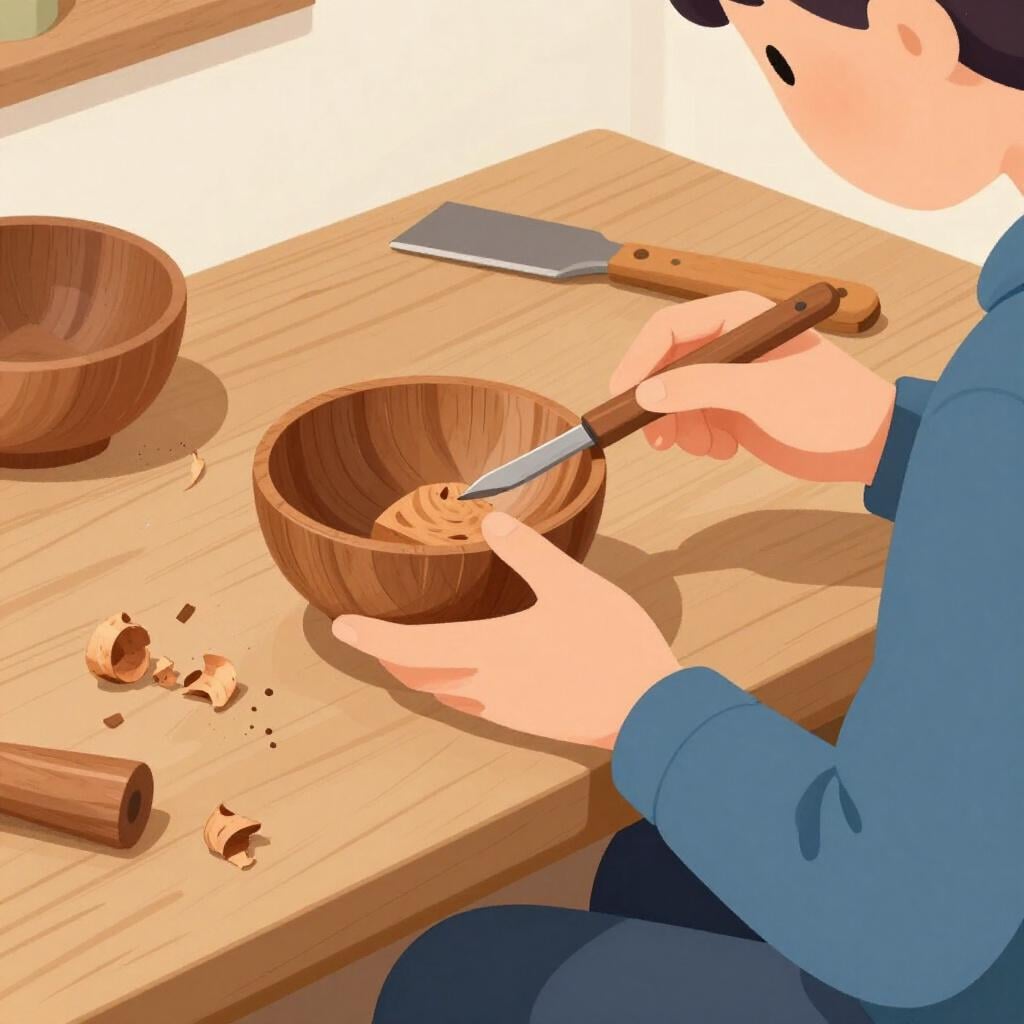
“artesano” means “artisan” in Spanish. It has 2 different meanings depending on context:
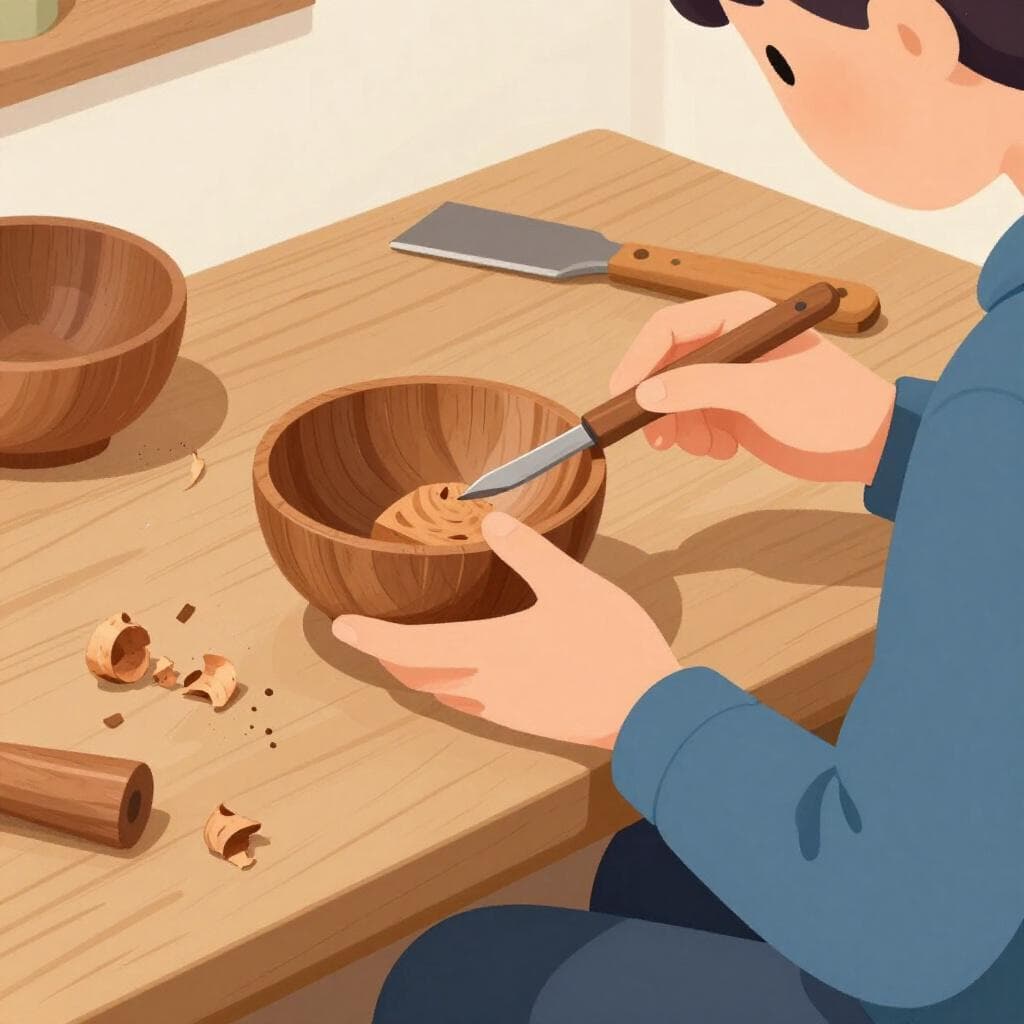
artisanAlso: craftsperson
📝 In Action
El artesano trabaja el cuero con mucha paciencia.
A1The artisan works the leather with a lot of patience.
En el mercado del pueblo, puedes conocer a cada artesano y ver cómo trabajan.
B1In the village market, you can meet each craftsperson and see how they work.
Los artesanos locales están luchando por mantener vivas las tradiciones antiguas.
B2Local artisans are struggling to keep ancient traditions alive.
Word Connections
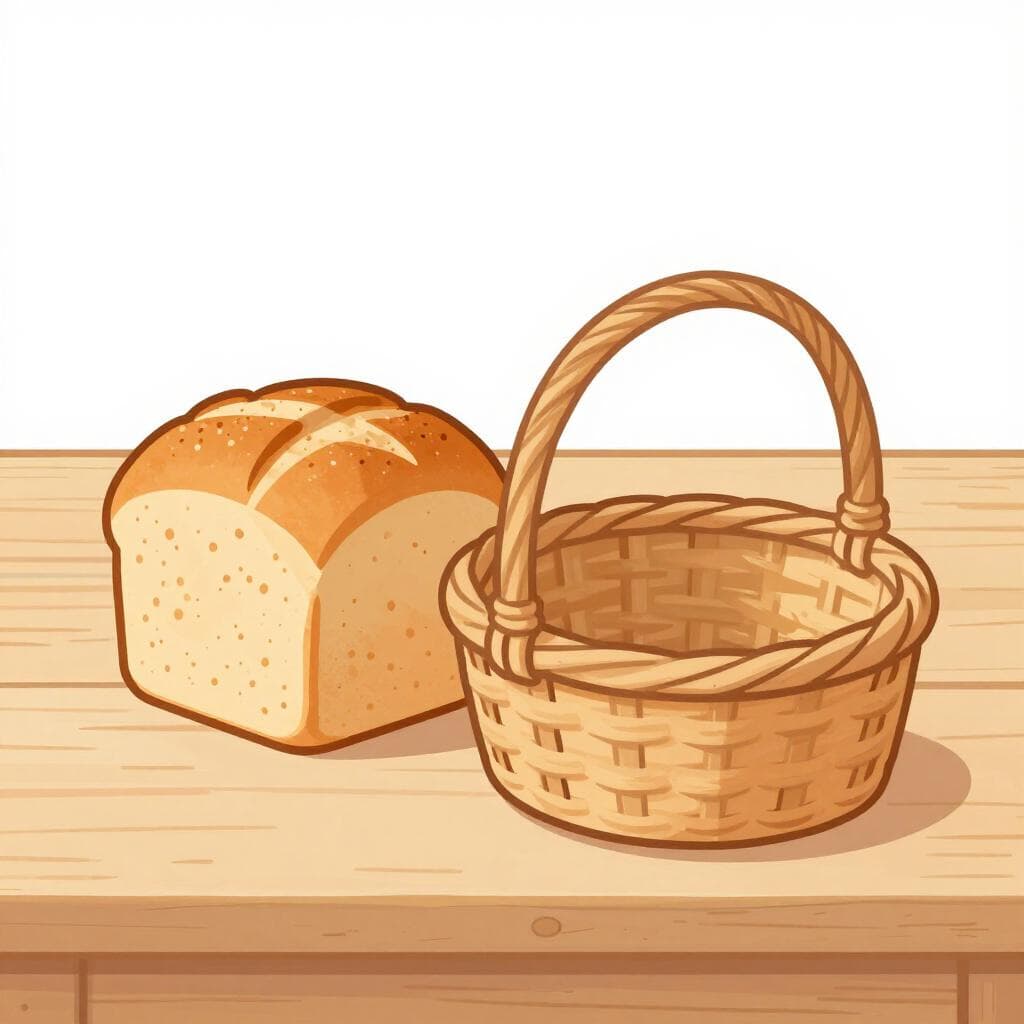
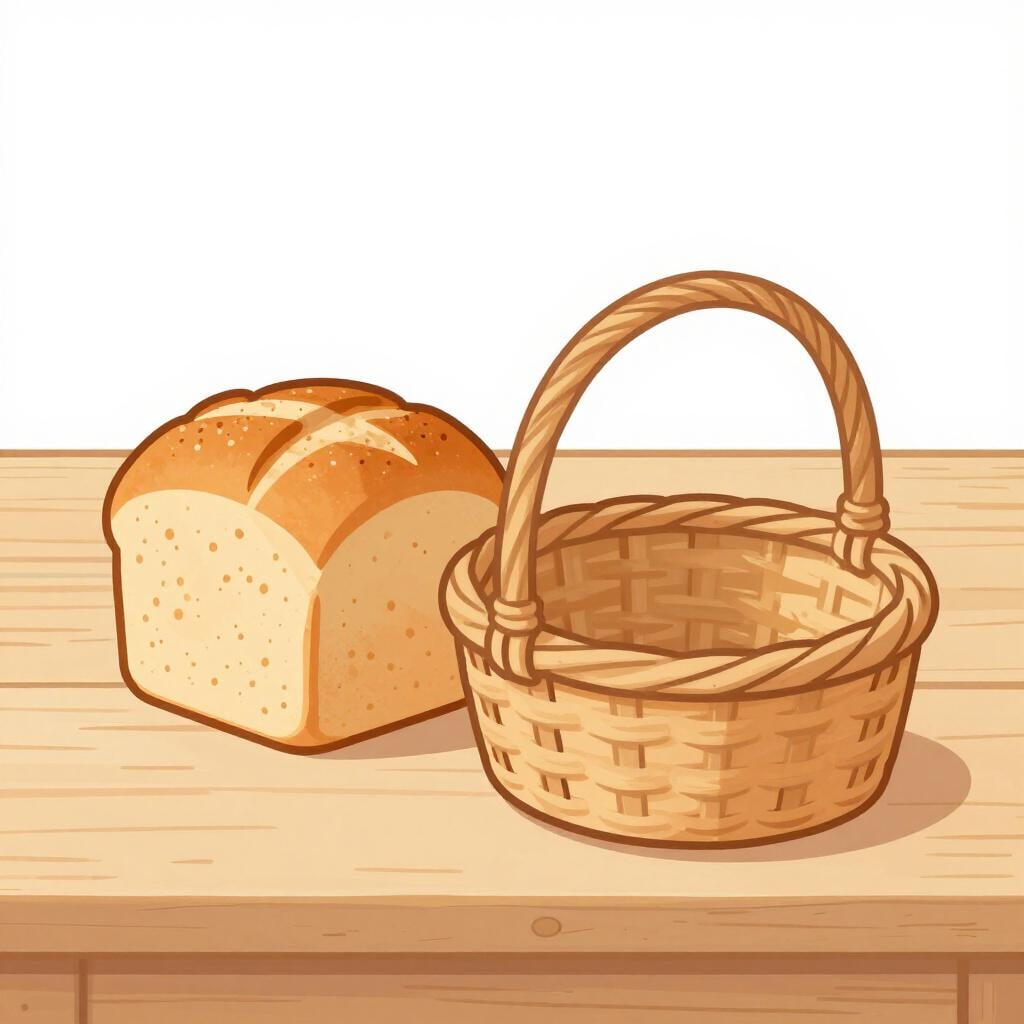
handmadeAlso: artisanal, craft
📝 In Action
Este es un pan artesano de masa madre.
A2This is a handmade sourdough bread.
Compramos jabón artesano en la feria.
B1We bought artisanal soap at the fair.
La producción artesana es más lenta pero de mejor calidad.
B2Handmade production is slower but of better quality.
Word Connections
Translate to Spanish
Words that translate to "artesano" in Spanish:
✏️ Quick Practice
Quick Quiz: artesano
Question 1 of 3
Which of these people would most likely be called an 'artesano'?
📚 More Resources
👥 Word Family
📚 Etymology
From the Italian word 'artigiano', which comes from the Latin 'ars' (skill or art). It describes someone who uses their skills to create physical objects.
First recorded: 16th century
Cognates (Related words)
💡 Master Spanish
Take your Spanish to the next level. Read 200+ illustrated and narrated Spanish stories tailored to your level with the Inklingo app!
Frequently Asked Questions
What is the difference between 'artesano' and 'artesanal'?
They are often used interchangeably when describing things (like 'pan artesano' vs 'pan artesanal'). However, only 'artesano' can be used to refer to the person (the craftsman) himself.
Can I use 'artesano' for a woman?
Yes, but you must change the ending. Use 'la artesana' to refer to a female craftsperson.
Is 'artesano' the same as 'hecho a mano'?
Very similar! 'Hecho a mano' literally means 'made by hand'. 'Artesano' implies it was made by hand using traditional, high-quality techniques often passed down through generations.