empacar
“empacar” means “to pack” in Spanish. It has 2 different meanings depending on context:
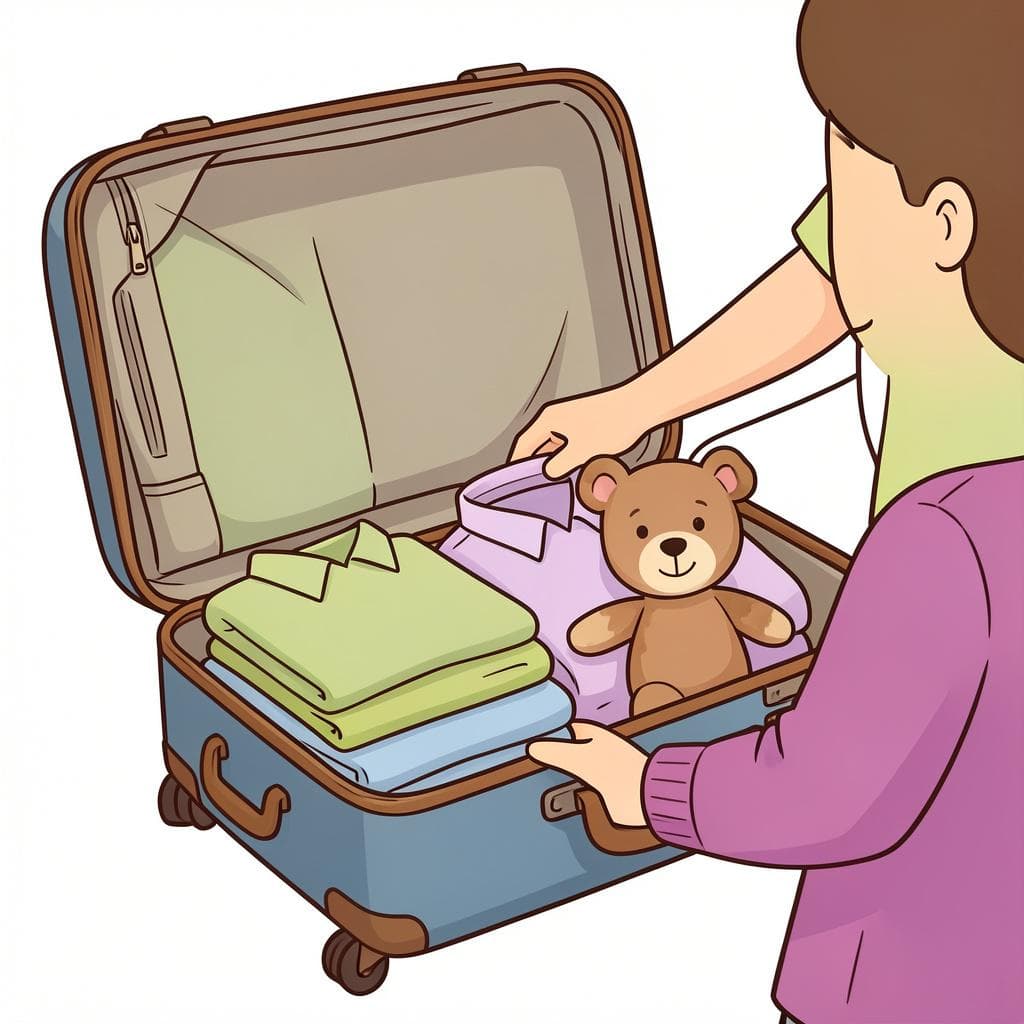
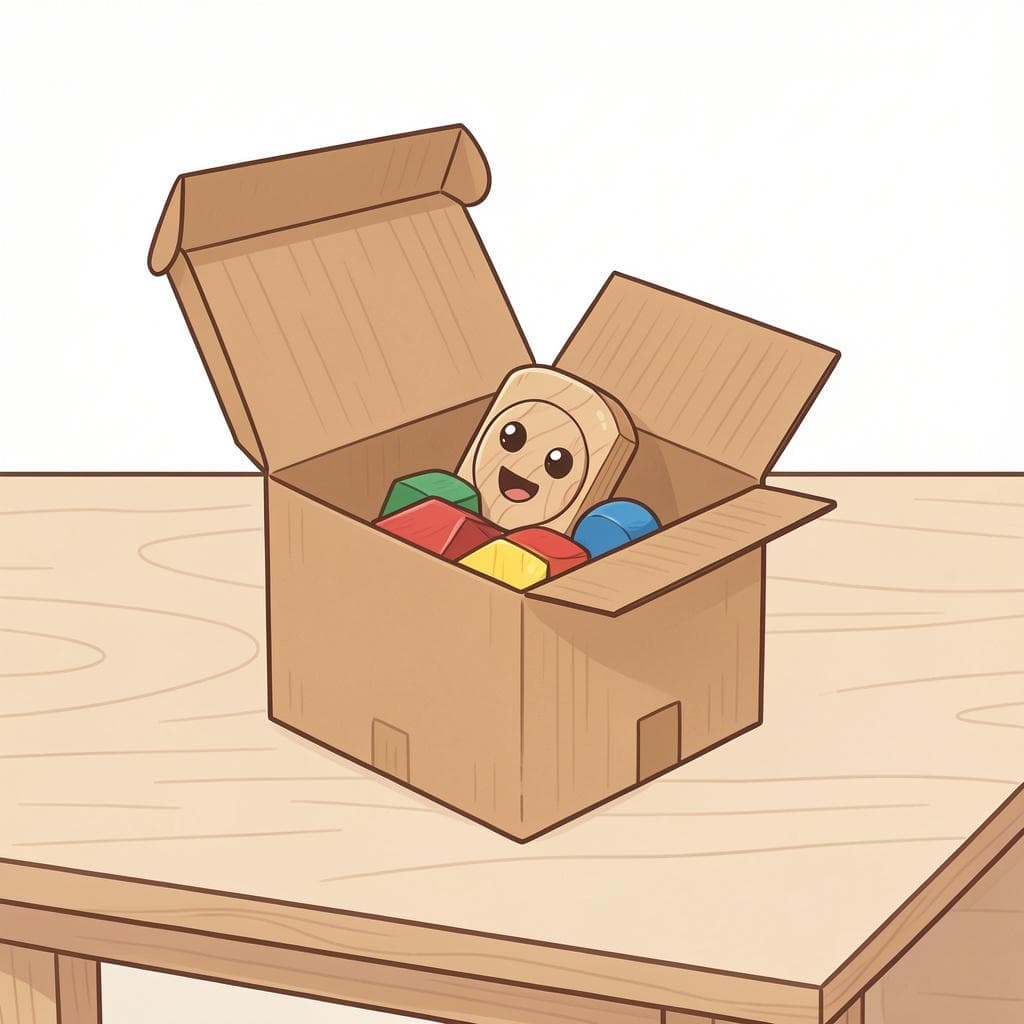
to pack
Also: to box up
📝 In Action
Necesito empacar mi maleta para el viaje de mañana.
A1I need to pack my suitcase for tomorrow's trip.
Ya terminamos de empacar todas las cajas para la mudanza.
A2We already finished packing all the boxes for the move.
to package
Also: to wrap
📝 In Action
La fábrica empaca al vacío para mantener la frescura.
B1The factory vacuum-packages to maintain freshness.
Subjunctive
Imperfect Subjunctive
Present Subjunctive
Indicative
Preterite
Imperfect
Present
Translate to Spanish
✏️ Quick Practice
Quick Quiz: empacar
Question 1 of 2
How do you say 'I packed' (past tense) in Spanish?
📚 More Resources
👥 Word Family▼
📚 Etymology▼
Derived from the word 'paquete' (package), which came into Spanish from French 'paquet'. It literally means to put things into a packet.
First recorded: 17th century
Cognates (Related words)
💡 Master Spanish
Take your Spanish to the next level. Read 200+ illustrated and narrated Spanish stories tailored to your level with the Inklingo app!
Frequently Asked Questions
Is 'empacar' used in Spain?
Yes, but it's less common for travel. In Spain, people usually say 'hacer la maleta' for packing a suitcase, while 'empacar' is often reserved for shipping or industrial packaging.
What does 'empacar al vacío' mean?
It means 'to vacuum pack,' a common method for preserving food by removing air from the package.