empujó
“empujó” means “pushed” in Spanish (moving something away using force).
pushed
Also: shoved, pressured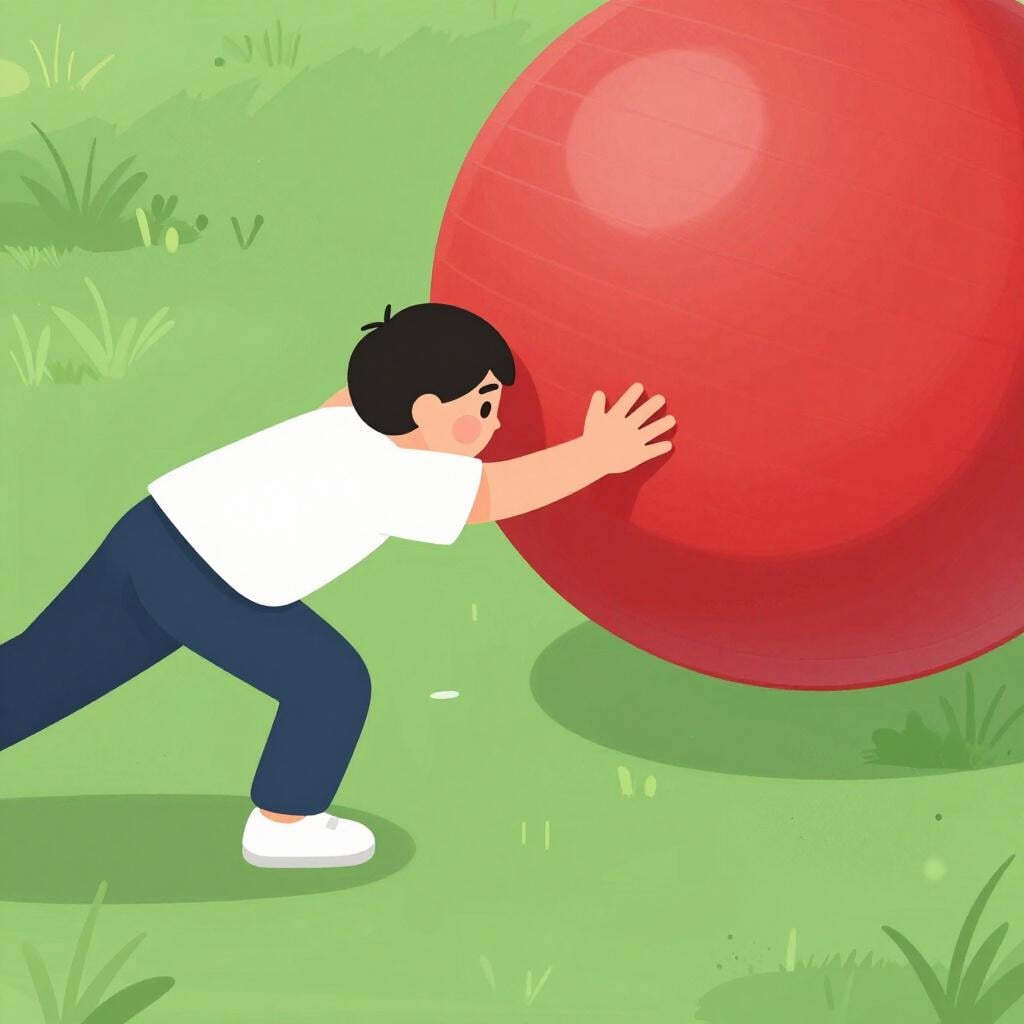
📝 In Action
Él empujó la puerta pero estaba cerrada con llave.
A1He pushed the door but it was locked.
Ella me empujó sin querer en el metro.
A2She accidentally pushed me on the subway.
Su jefe lo empujó a terminar el proyecto pronto.
B1His boss pressured him to finish the project soon.
🔄 Conjugations
subjunctive
imperfect
present
indicative
preterite
imperfect
present
Translate to Spanish
✏️ Quick Practice
Quick Quiz: empujó
Question 1 of 1
If you want to say 'He pushed the car,' which word do you use?
📚 More Resources
👥 Word Family▼
📚 Etymology▼
From the Latin word 'impulsare', which means to strike against or set in motion.
First recorded: 13th century
Cognates (Related words)
💡 Master Spanish
Take your Spanish to the next level. Read 200+ illustrated and narrated Spanish stories tailored to your level with the Inklingo app!
Frequently Asked Questions
What is the difference between 'empujó' and 'empujaba'?
Both refer to the past. 'Empujó' is for a completed action (he pushed once), while 'empujaba' is for ongoing or repeated actions (he was pushing or used to push).