Inklingo

encontré

/en-kon-TRAY/

I found

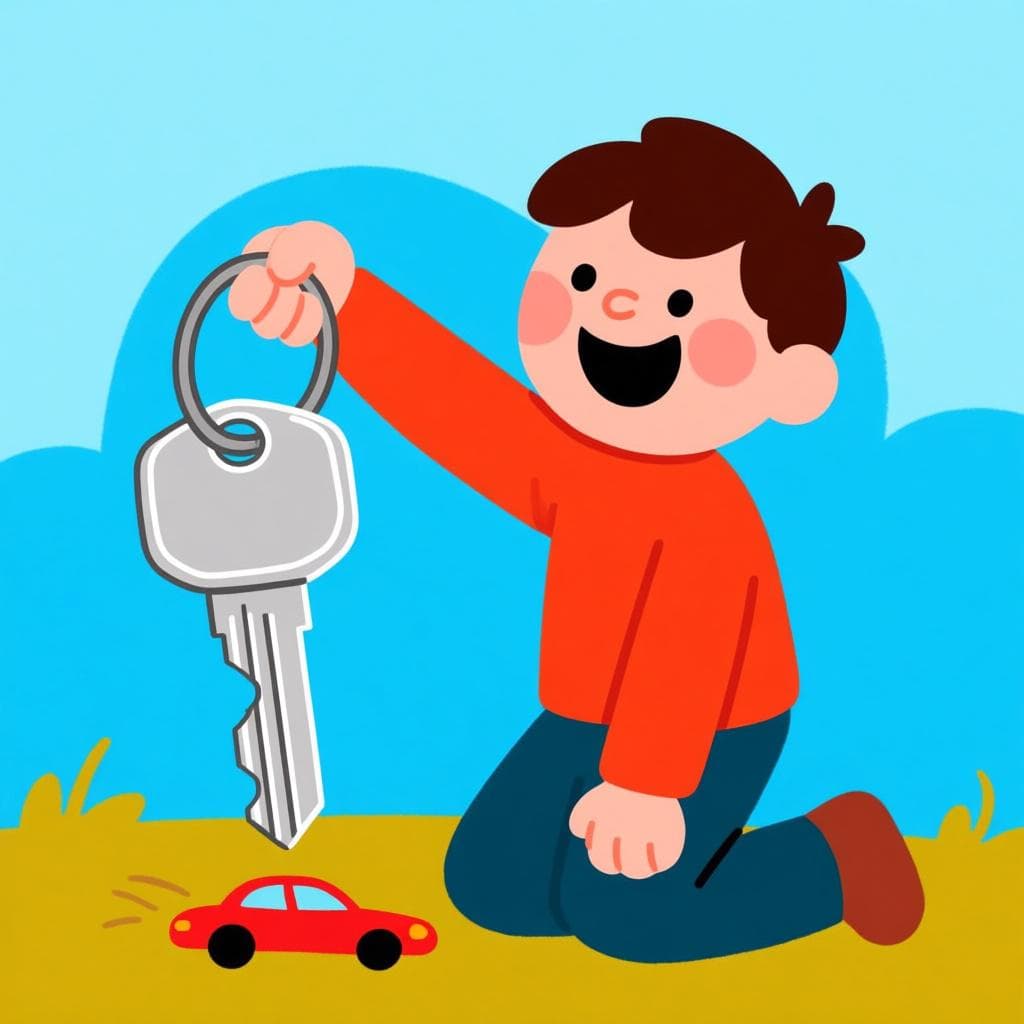
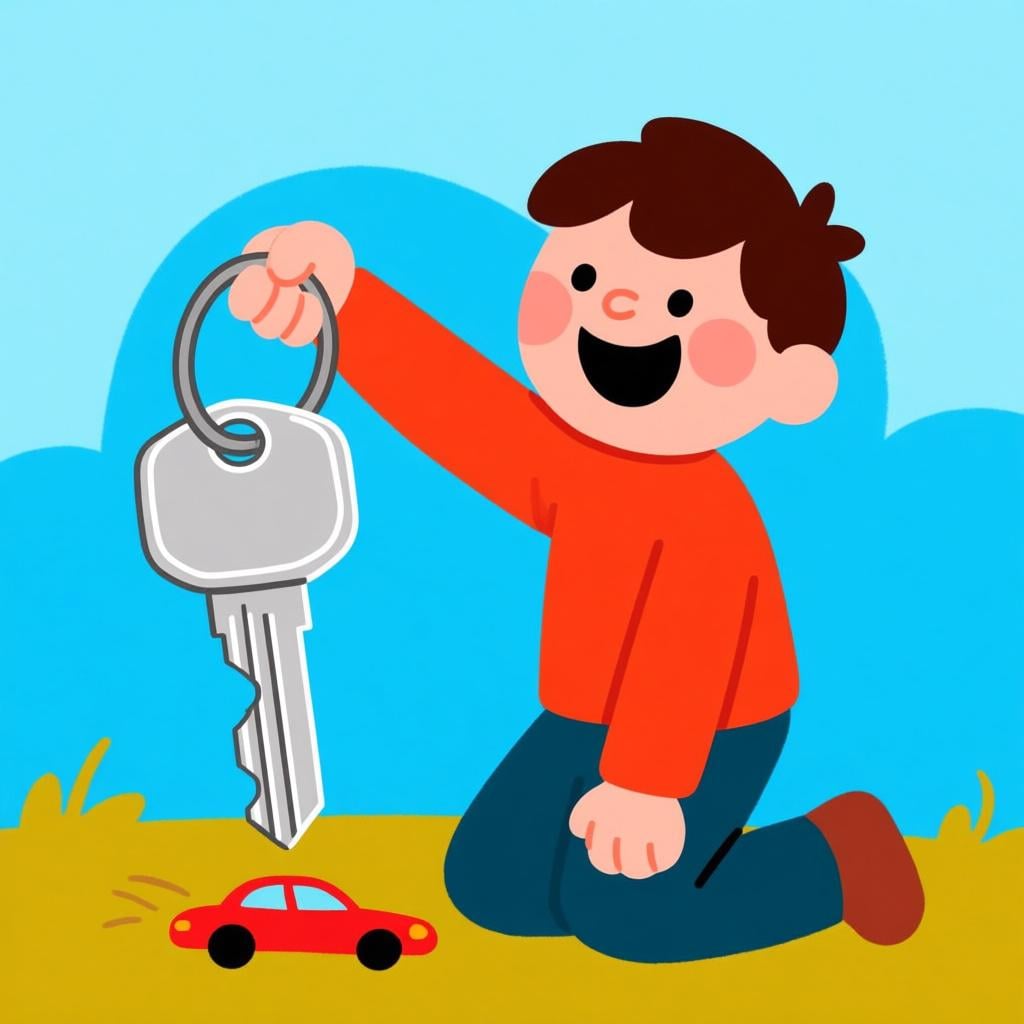
A smiling person holding up a large, shiny car key they just discovered on the ground, symbolizing finding a lost object.

Visualizing the meaning 'I found' (locating a lost object).

encontré(Verb)

A1Irregular (o>ue stem-changing) ar

I found

?

locating a lost object

Also:

I located

📝 In Action

¡Por fin encontré las llaves del coche!

A1

I finally found the car keys!

Después de mucho buscar, encontré un buen restaurante.

A2

After searching a lot, I found a good restaurant.

Word Connections

Synonyms

  • hallé (I found)

Antonyms

  • perdí (I lost)
  • busqué (I looked for)

💡 Grammar Points

'Yo' Form in the Past (Preterite Tense)

'Encontré' is how you say 'I found' for a specific, completed action in the past. The '-é' ending is a common pattern for 'yo' with verbs ending in '-ar' in this tense, like 'hablé' (I spoke) and 'compré' (I bought).

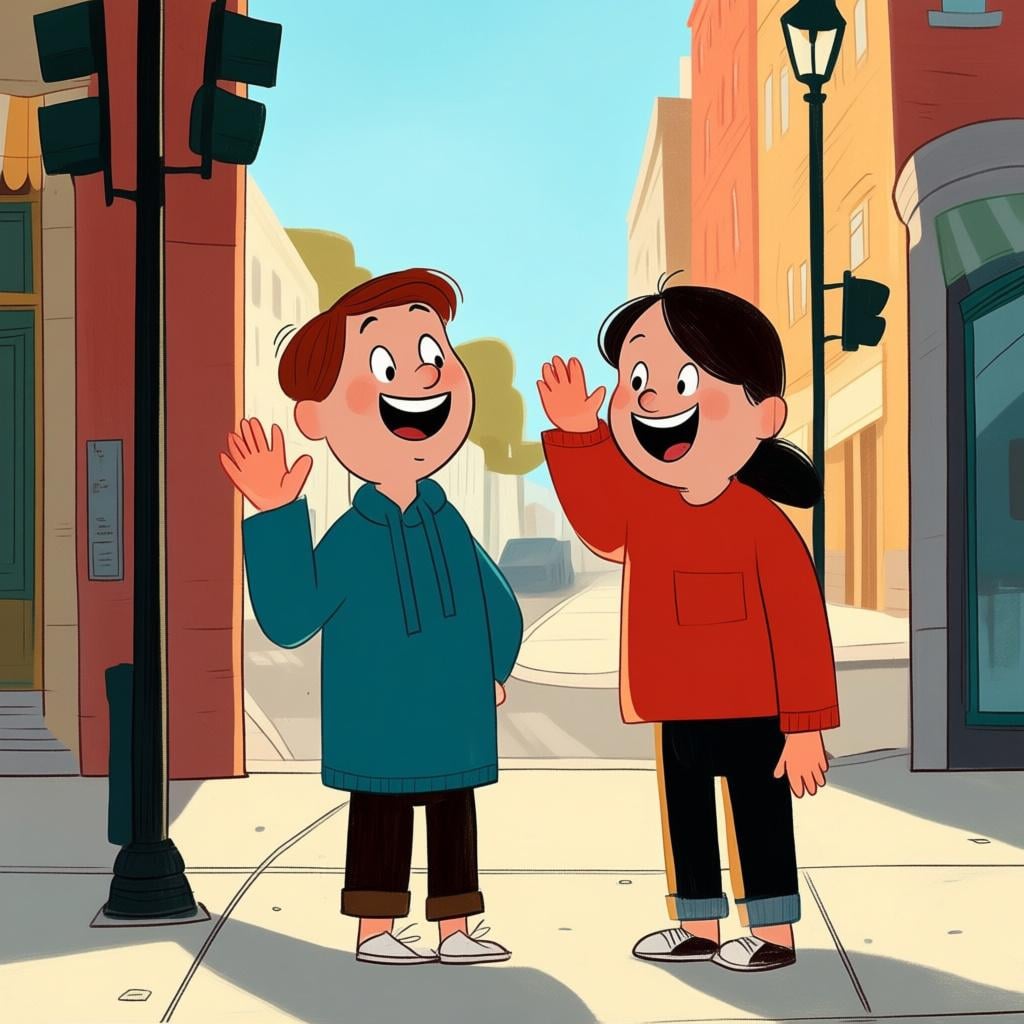
Two acquaintances standing on a city sidewalk, showing mutual surprise and excitement upon running into each other unexpectedly.

Visualizing the meaning 'I met' (running into someone by chance).

encontré(Verb)

A2Irregular (o>ue stem-changing) ar

I met

?

meeting someone by chance; running into someone

Also:

I ran into

,

I came across

📝 In Action

Ayer encontré a tu hermana en la biblioteca.

A2

Yesterday I met your sister at the library.

Qué sorpresa, ¡encontré a mi antiguo jefe en el avión!

B1

What a surprise, I ran into my old boss on the plane!

Word Connections

Common Collocations

  • encontrar a alguiento meet/run into someone

❌ Common Pitfalls

'Encontré' vs. 'Conocí'

Mistake: "Using 'encontré' to talk about meeting someone for the first time."

Correction: Use 'conocí' for the first time you meet someone (get to know them), and 'encontré' when you run into someone you already know. For example, 'Conocí a mi esposo en 2010' (I met my husband in 2010).

⭐ Usage Tips

The Personal 'a'

When you find or meet a person, you need to add the little word 'a' right after 'encontré'. Notice the example: 'Encontré a tu hermana.' You don't need it for objects: 'Encontré las llaves.'

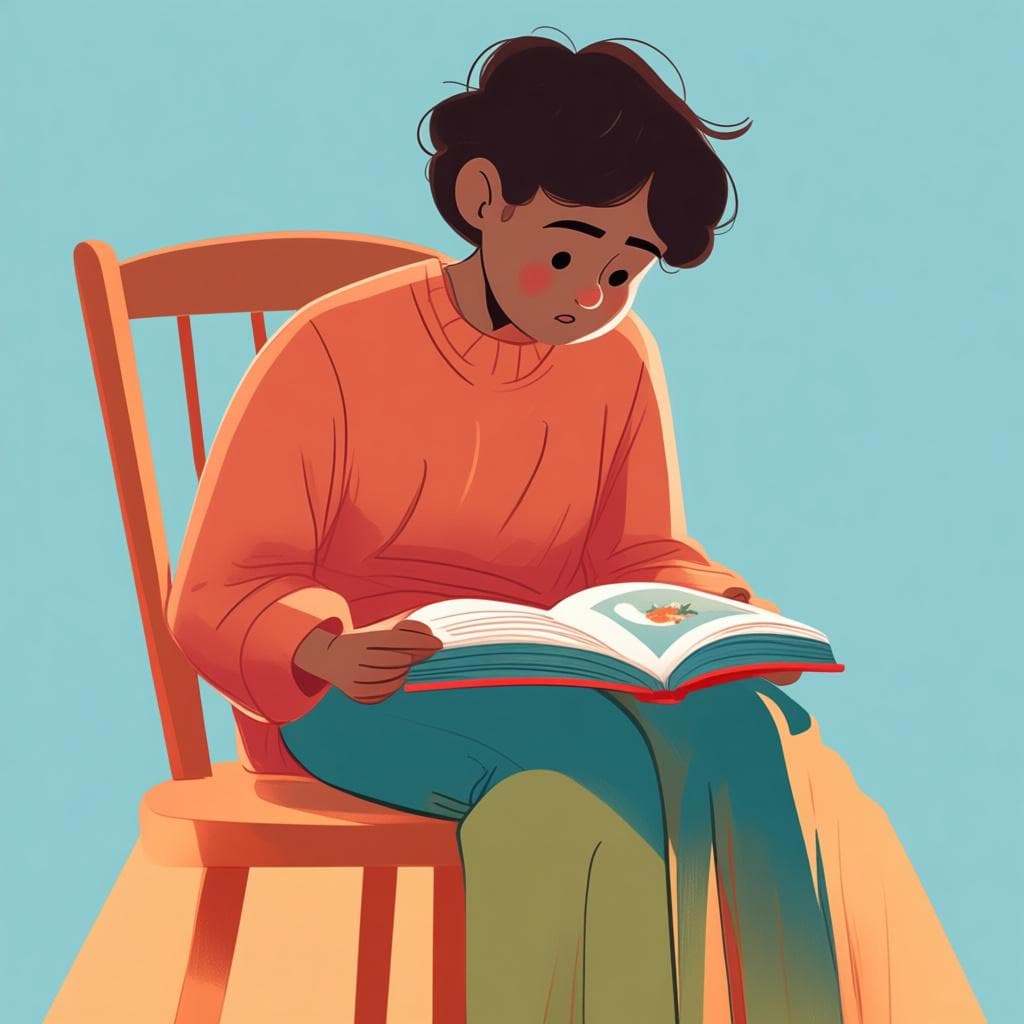
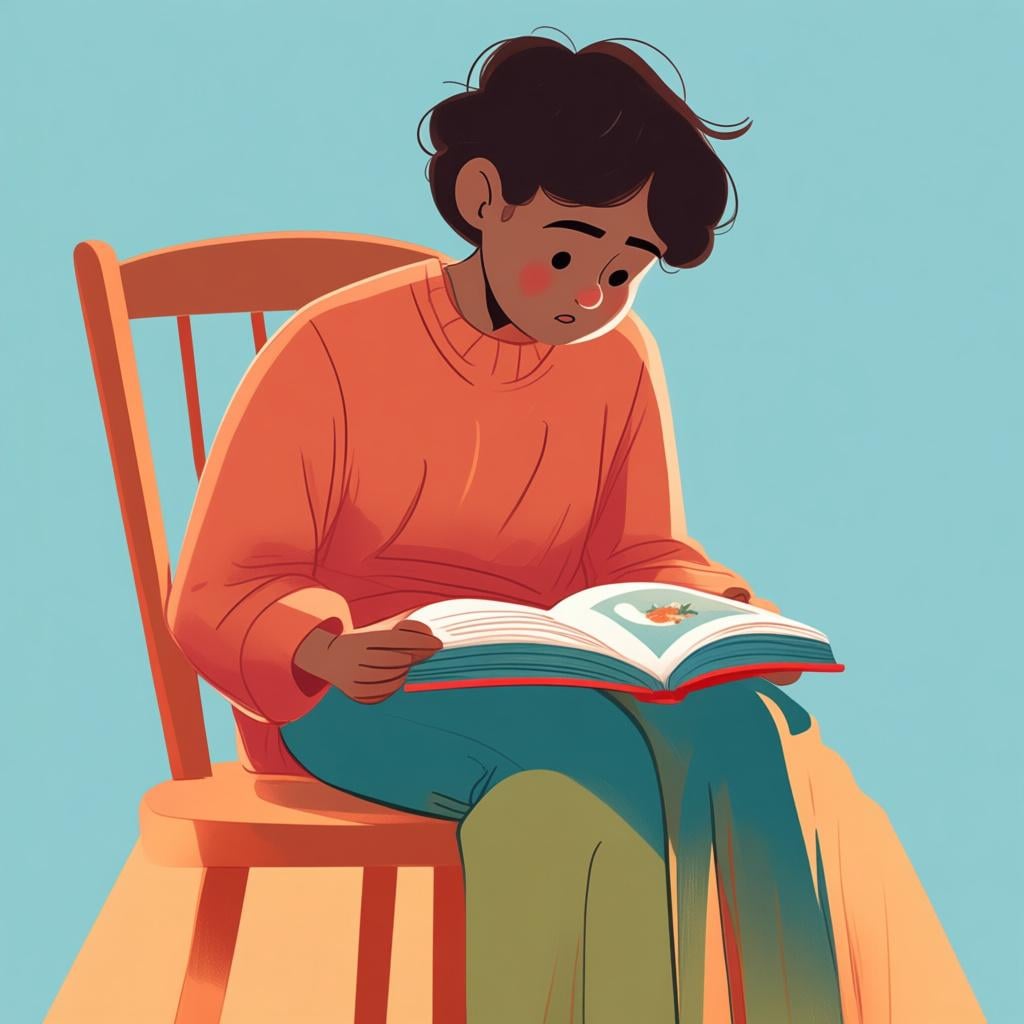
A person sitting comfortably, engrossed in reading an open book with an expression of deep interest and concentration.

Visualizing the meaning 'I found' (expressing an opinion, e.g., 'I found it interesting').

encontré(Verb)

B1Irregular (o>ue stem-changing) ar

I found

?

expressing an opinion, like 'I found it to be...'

Also:

I thought

?

giving a judgment, e.g., 'I thought the book was good'

📝 In Action

Encontré la película muy interesante.

B1

I found the movie very interesting.

¿Te gustó el libro? Yo lo encontré un poco aburrido.

B1

Did you like the book? I found it a little boring.

Word Connections

Synonyms

  • me pareció (it seemed to me)

⭐ Usage Tips

Giving Your Opinion

This is a great way to sound more natural when sharing your thoughts. Instead of just saying 'La película es interesante' (The movie is interesting), you can say 'Encontré la película interesante' to show it's your personal take on it.

🔄 Conjugations

indicative

present

él/ella/ustedencuentra
yoencuentro
encuentras
ellos/ellas/ustedesencuentran
nosotrosencontramos
vosotrosencontráis

imperfect

él/ella/ustedencontraba
yoencontraba
encontrabas
ellos/ellas/ustedesencontraban
nosotrosencontrábamos
vosotrosencontrabais

preterite

él/ella/ustedencontró
yoencontré
encontraste
ellos/ellas/ustedesencontraron
nosotrosencontramos
vosotrosencontrasteis

subjunctive

present

él/ella/ustedencuentre
yoencuentre
encuentres
ellos/ellas/ustedesencuentren
nosotrosencontremos
vosotrosencontréis

imperfect

él/ella/ustedencontrara
yoencontrara
encontraras
ellos/ellas/ustedesencontraran
nosotrosencontráramos
vosotrosencontrarais

✏️ Quick Practice

💡 Quick Quiz: encontré

Question 1 of 1

Which sentence uses 'encontré' to mean 'I met' or 'I ran into'?

📚 More Resources

Frequently Asked Questions

What's the difference between 'encontré' and 'busqué'?

Great question! 'Busqué' means 'I looked for' or 'I searched for'—it's the action of searching. 'Encontré' is the result of that search: 'I found'. So, you might say: 'Busqué mis llaves por una hora y finalmente las encontré' (I looked for my keys for an hour and finally I found them).

Is 'encontré' always about the past?

Yes, 'encontré' specifically refers to a single, completed event in the past. It answers the question 'What happened?'. For ongoing or repeated actions in the past, you would use a different form, 'encontraba'.