endurecer
“endurecer” means “to harden” in Spanish. It has 2 different meanings depending on context:
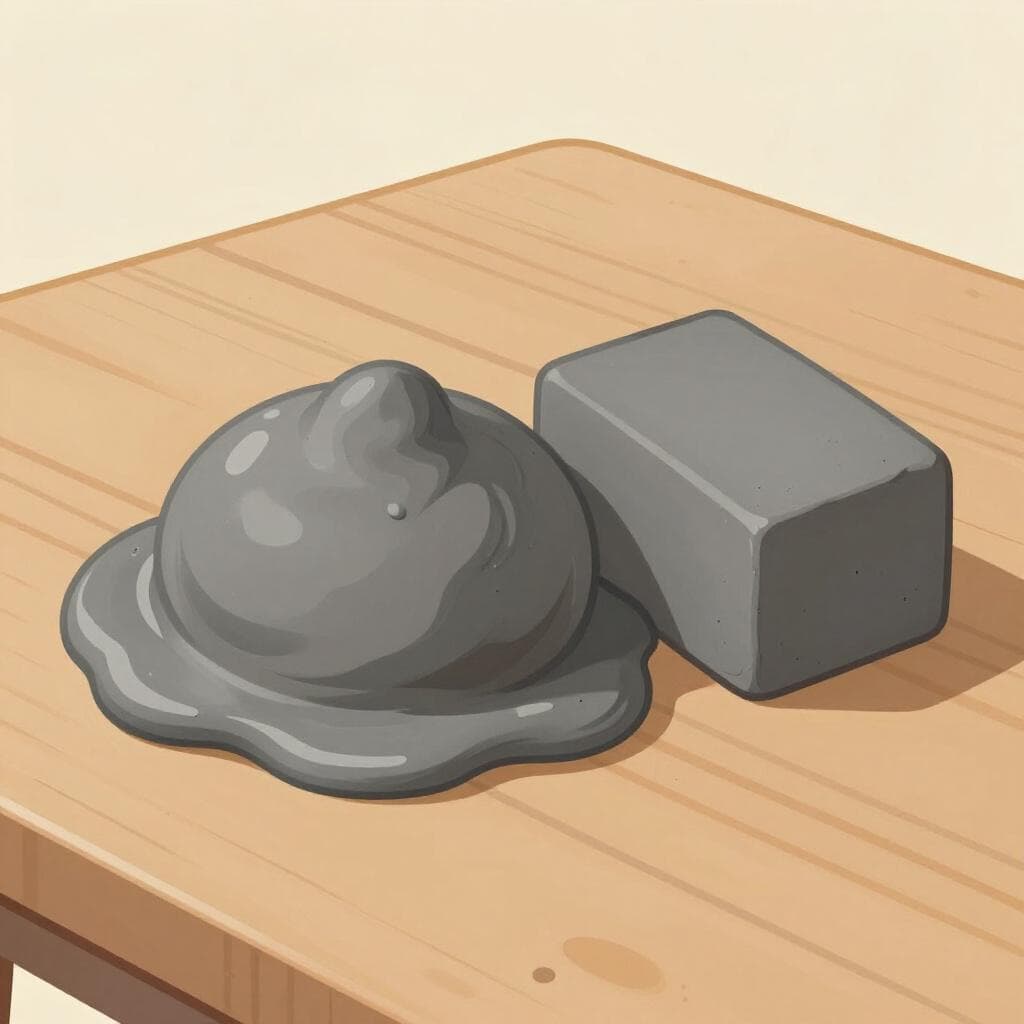

to harden
Also: to stiffen, to toughen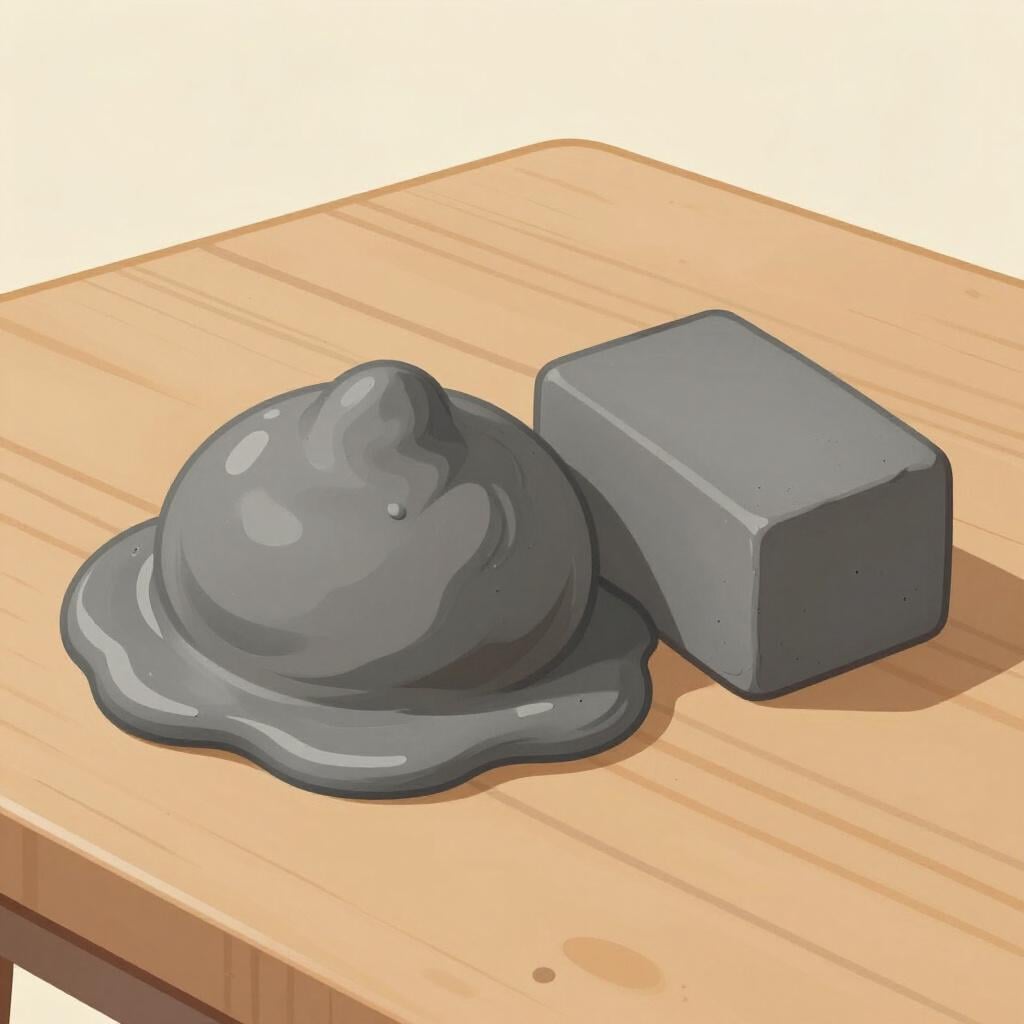
📝 In Action
El frío puede endurecer la mantequilla rápidamente.
A2The cold can harden the butter quickly.
Tienes que dejar que el cemento se endurezca durante la noche.
B1You have to let the cement harden overnight.
El sol endureció el barro del camino.
B2The sun hardened the mud on the path.
to toughen up
Also: to make callous
📝 In Action
Sus experiencias en la guerra endurecieron su carácter.
C1His experiences in the war toughened his character.
No dejes que los problemas te endurezcan el corazón.
B2Don't let problems harden your heart.
El entrenamiento militar endurece a los reclutas.
C1Military training toughens the recruits.
Subjunctive
Imperfect Subjunctive
Present Subjunctive
Indicative
Preterite
Imperfect
Present
Translate to Spanish
✏️ Quick Practice
Quick Quiz: endurecer
Question 1 of 3
What is the correct 'yo' form of 'endurecer' in the present tense?
📚 More Resources
👥 Word Family▼
📚 Etymology▼
From the Spanish prefix 'en-' (to cause to be) + 'duro' (hard), derived from the Latin 'indurescere'.
First recorded: 13th century
Cognates (Related words)
💡 Master Spanish
Take your Spanish to the next level. Read 200+ illustrated and narrated Spanish stories tailored to your level with the Inklingo app!
Frequently Asked Questions
Is 'endurecer' only for physical things?
No, it is very common to use it figuratively for emotions, character, or rules.
What's the difference between 'endurecer' and 'endurecerse'?
'Endurecer' is when something makes something else hard. 'Endurecerse' is when something becomes hard on its own.
Is 'endurecer' used in all Spanish-speaking countries?
Yes, it is a standard word used across all regions.