escombro
“escombro” means “rubble” in Spanish (debris from a collapsed or demolished building).
rubble
Also: debris, waste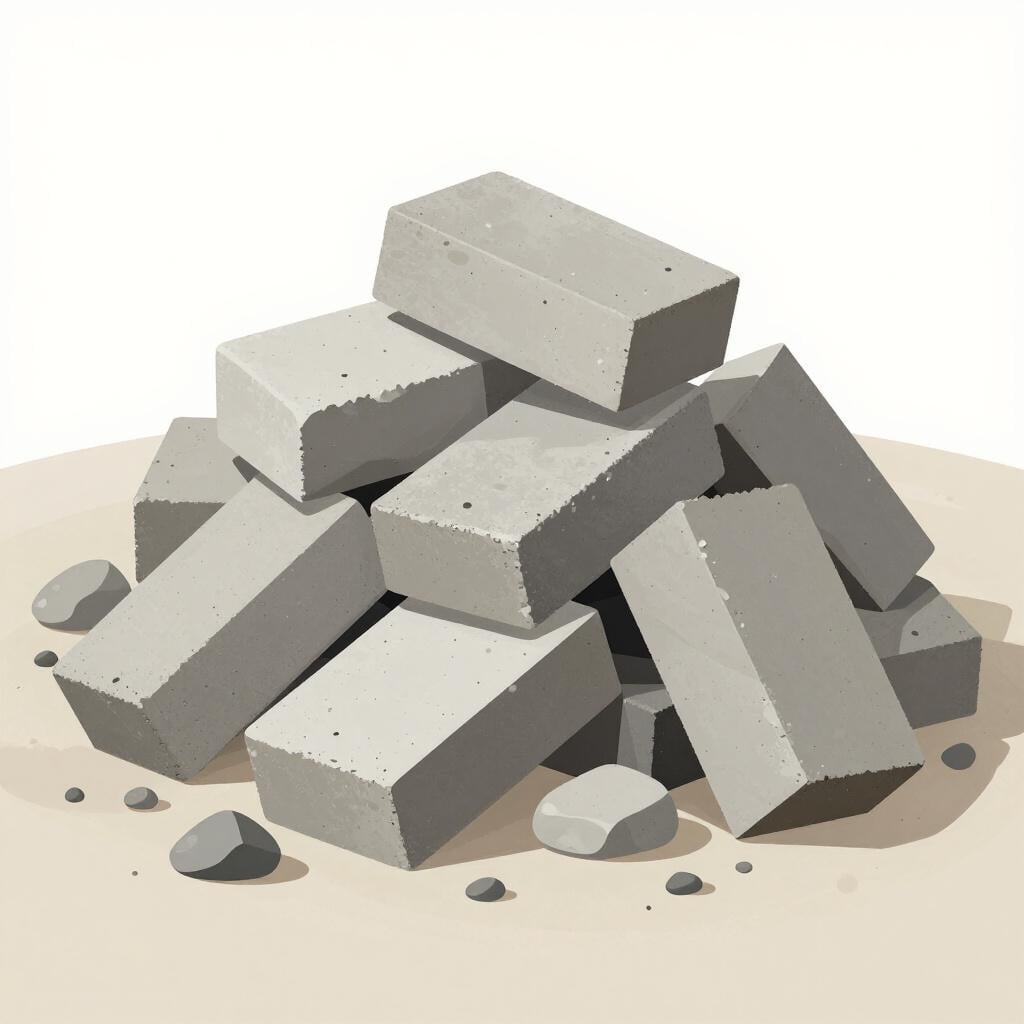
📝 In Action
Tuvimos que contratar un camión para llevarse los escombros de la obra.
B1We had to hire a truck to take away the rubble from the construction site.
Los rescatistas buscaron sobrevivientes bajo los escombros.
B2Rescuers searched for survivors under the debris.
No tires el escombro en el contenedor de basura normal.
A2Don't throw the construction waste in the regular trash bin.
✏️ Quick Practice
Quick Quiz: escombro
Question 1 of 3
Which word would you use for the remains of a house destroyed by an earthquake?
📚 More Resources
👥 Word Family▼
📚 Etymology▼
From Latin 'scombrus', which originally referred to a type of fish. In old Spanish, 'escombrar' meant to clean out fish guts, and later evolved to mean clearing out any kind of waste or obstruction.
First recorded: 13th Century
Cognates (Related words)
💡 Master Spanish
Take your Spanish to the next level. Read 200+ illustrated and narrated Spanish stories tailored to your level with the Inklingo app!
Frequently Asked Questions
Can I use 'escombro' to describe my messy bedroom?
Only as a joke! It would imply your room looks like a building site with piles of bricks and dust.
What is the difference between 'escombro' and 'ruinas'?
'Ruinas' usually refers to historical or noble remains (like Roman ruins), while 'escombros' refers to messy, unwanted debris from construction or destruction.
Is 'escombro' ever used for people?
In very harsh slang, calling someone an 'escombro' means they are a 'wreck' or in a very bad physical or emotional state, but this is quite informal and can be offensive.