How to Say "waste" in Spanish
The most common Spanish word for “waste” is “desecho” — use 'desecho' when referring to unwanted materials, trash, or byproducts that are discarded.
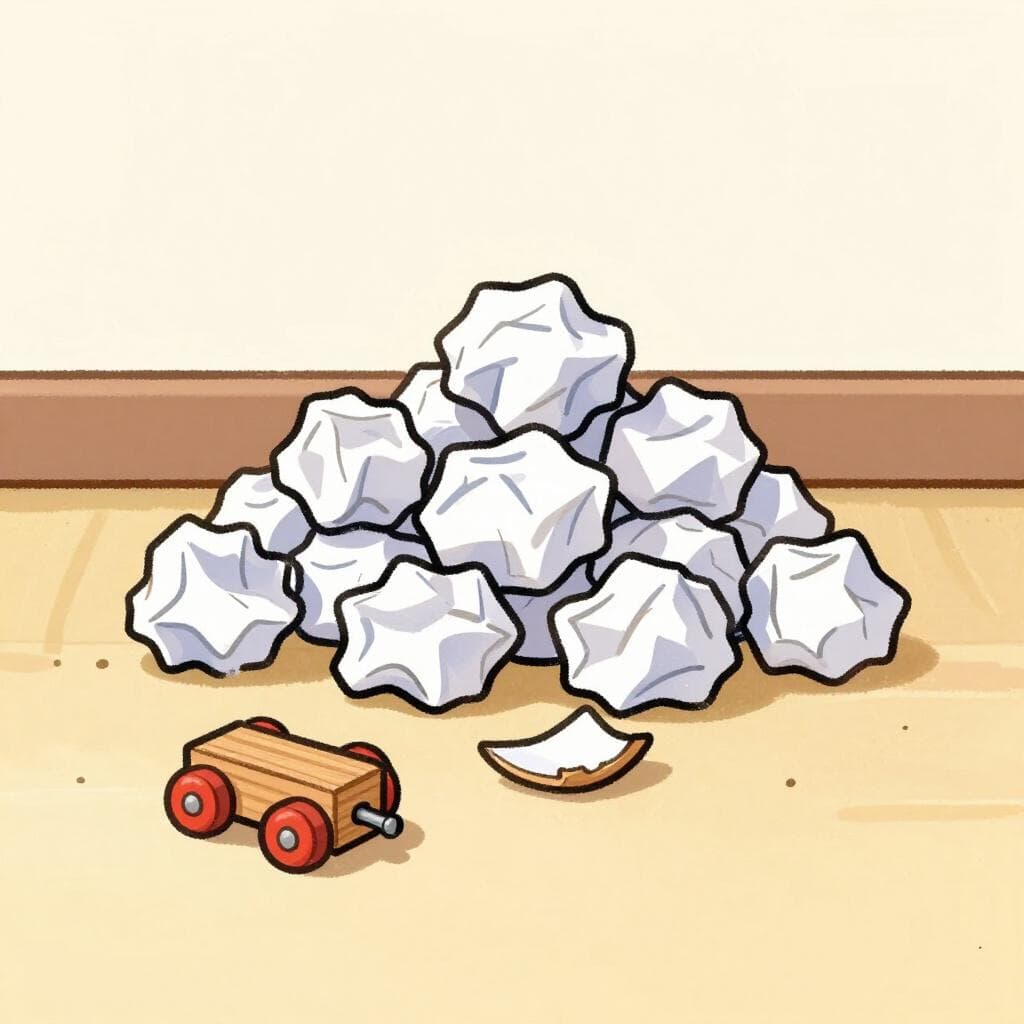

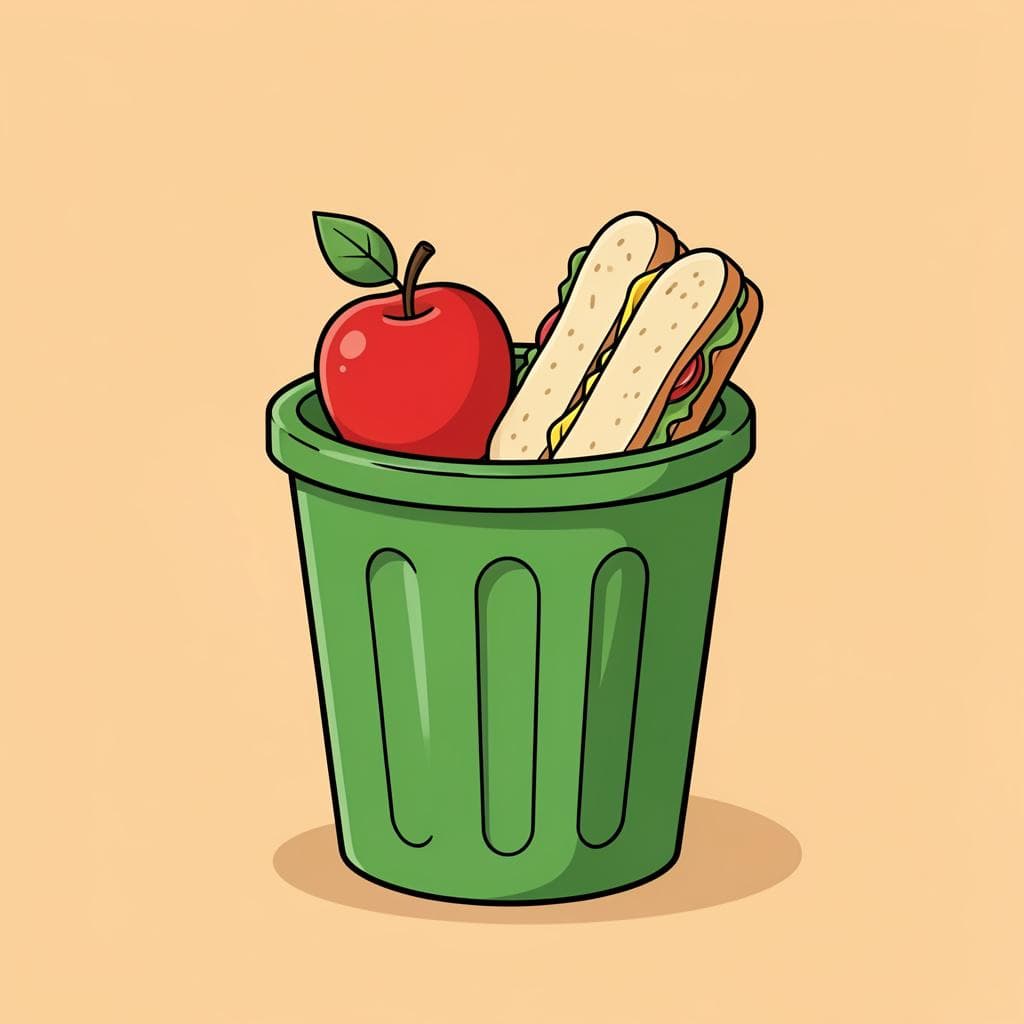

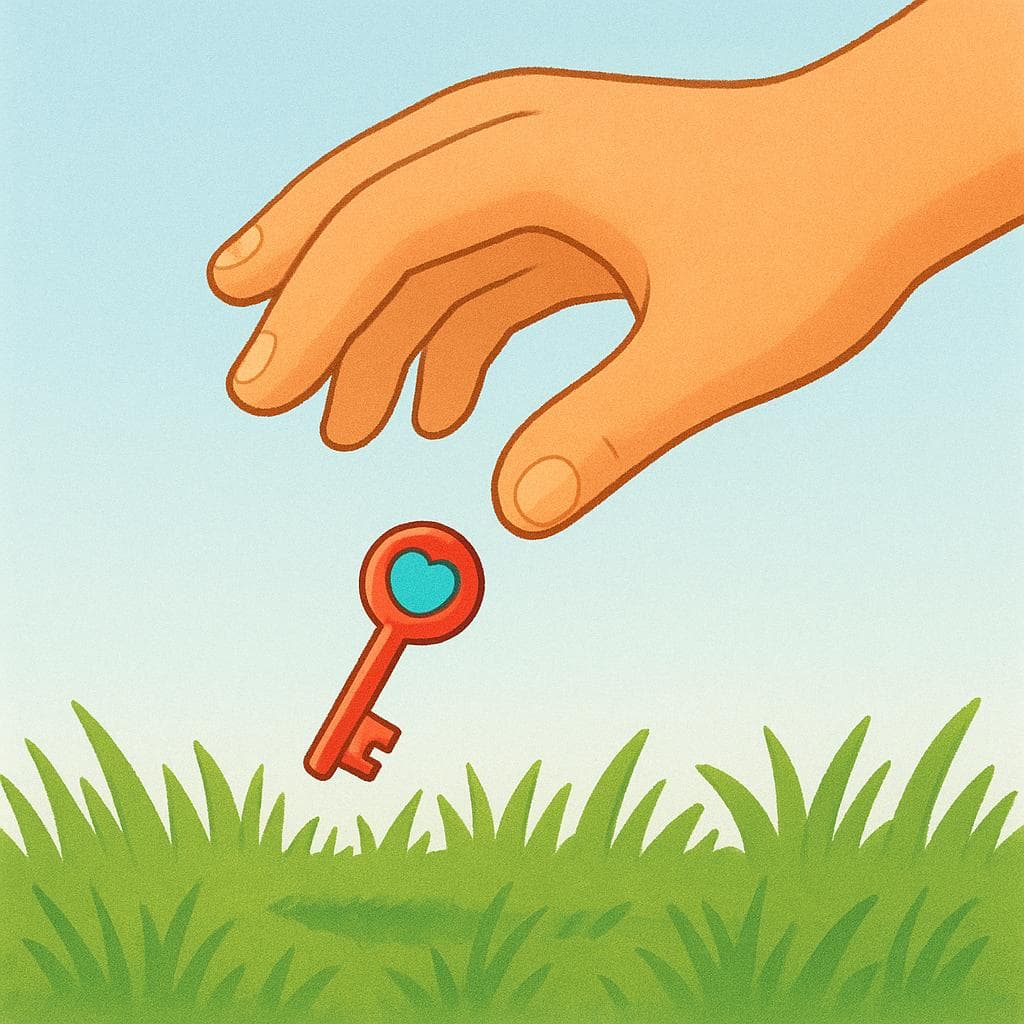
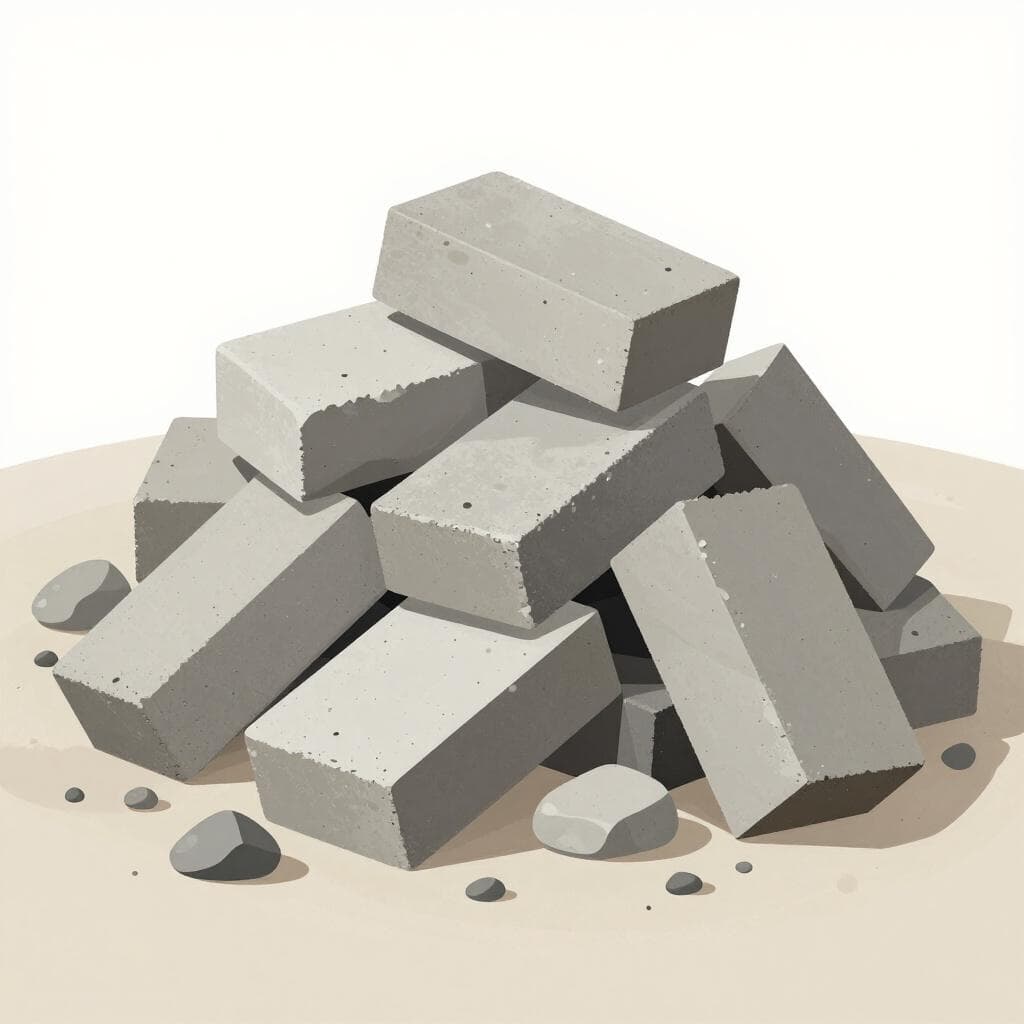
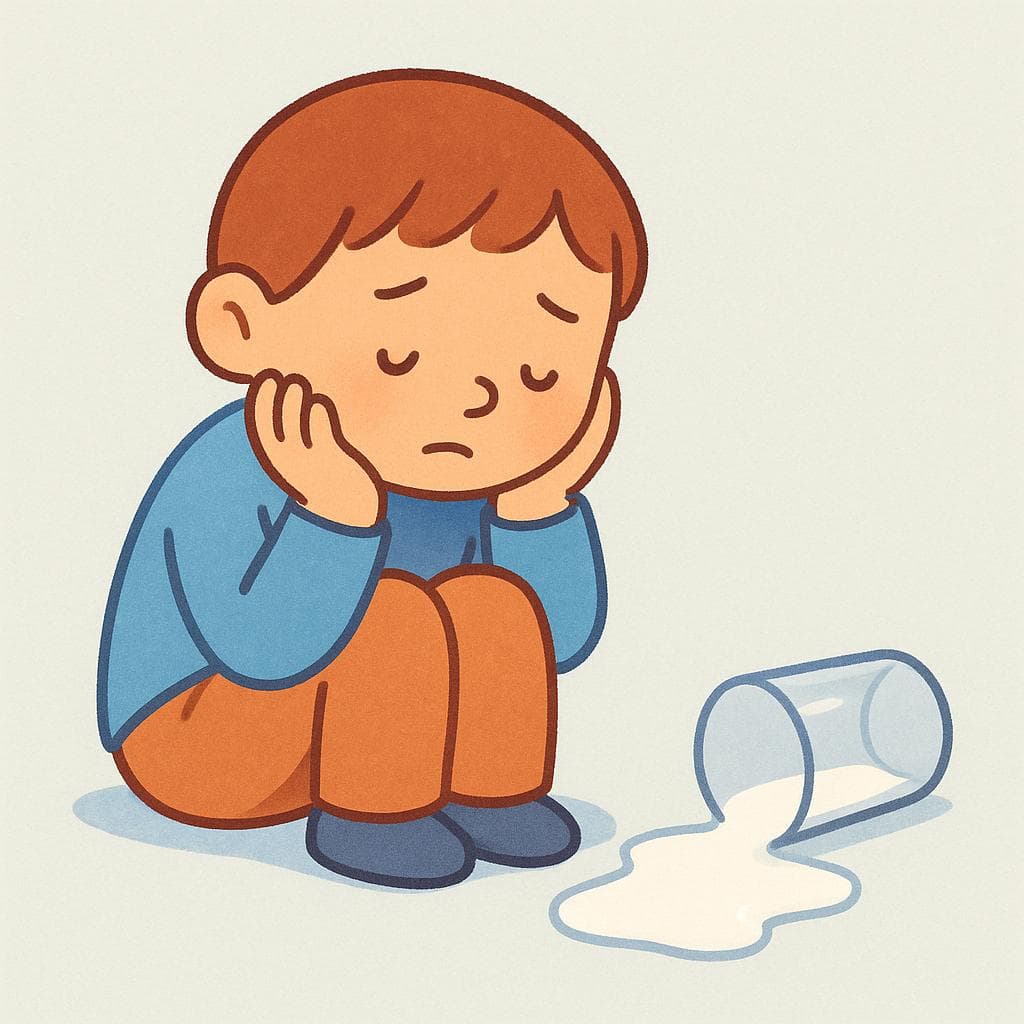
desecho
deh-SEH-chohdeˈsetʃo
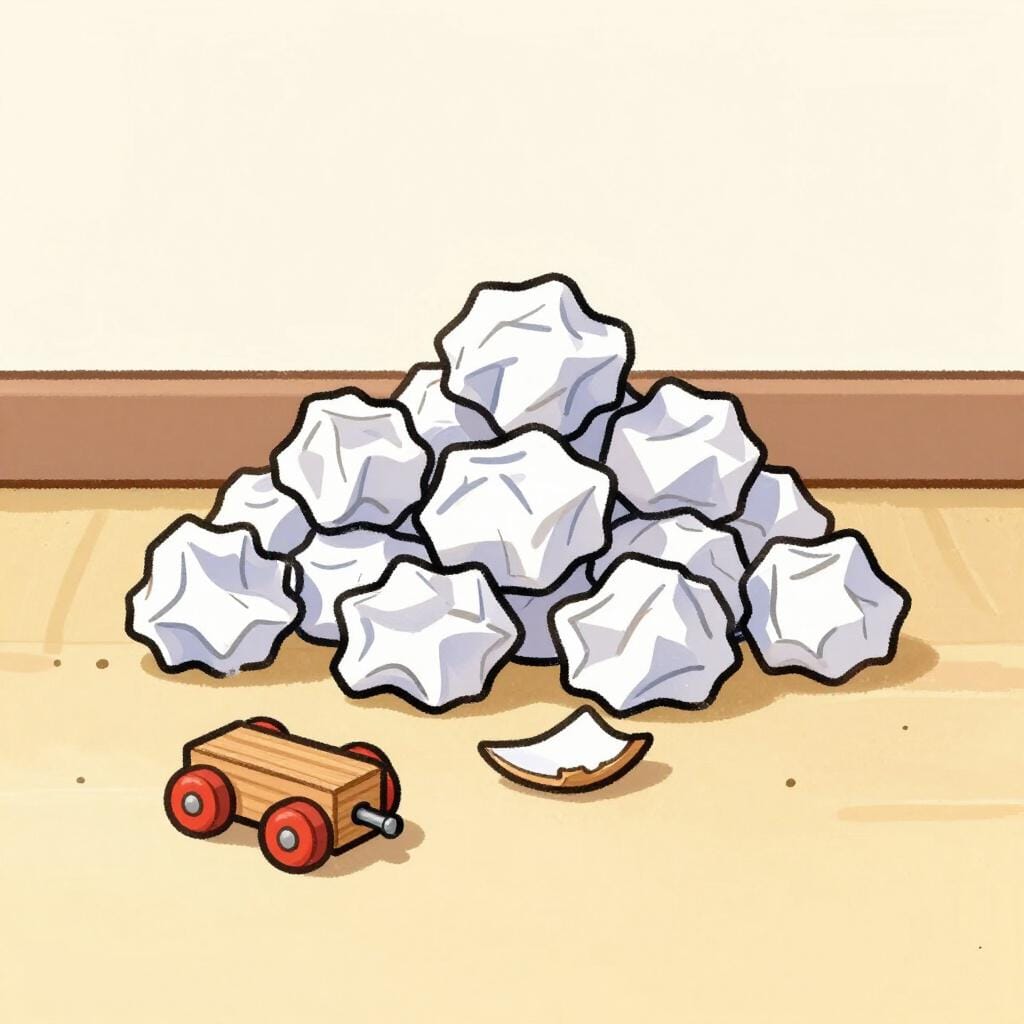
Examples
No tires desechos al suelo.
Don't throw waste on the ground.
Muchos desechos plásticos terminan en el mar.
Many plastic wastes end up in the sea.
La fábrica produce muchos desechos químicos.
The factory produces a lot of chemical waste.
Usually Plural
While you can say 'un desecho', it is much more common to use the plural form 'desechos' when referring to trash or waste in general.
A Step Above 'Basura'
While 'basura' is used for everyday kitchen trash, 'desecho' is often used for specific types of waste, like industrial, medical, or chemical byproducts.
The 'H' Trap
Mistake: “Using 'deshecho' to mean waste.”
Correction: Use 'desecho' (no H) for waste. 'Deshecho' (with an H) means 'undone' or 'melted' and comes from a different word entirely!
residuo
rre-SEE-dwohreˈsiðwo

Examples
Es importante separar cada residuo en el contenedor correcto.
It is important to separate each waste item into the correct bin.
La fábrica produce muchos residuos tóxicos.
The factory produces a lot of toxic waste.
Quedó un pequeño residuo blanco en el fondo del vaso.
A small white residue remained at the bottom of the glass.
Always Masculine
Even though it ends in 'o', remember it is a masculine noun. Always use 'el residuo' or 'los residuos'.
Plural for General Use
When talking about trash or pollution in general, Spanish speakers almost always use the plural form: 'los residuos'.
Residuo vs. Basura
Mistake: “Using 'basura' for industrial or chemical waste.”
Correction: Use 'residuo' for technical, industrial, or recyclable materials. 'Basura' is more for everyday kitchen trash.
desperdicio
des-pair-DEE-syohdespeɾˈdisjo
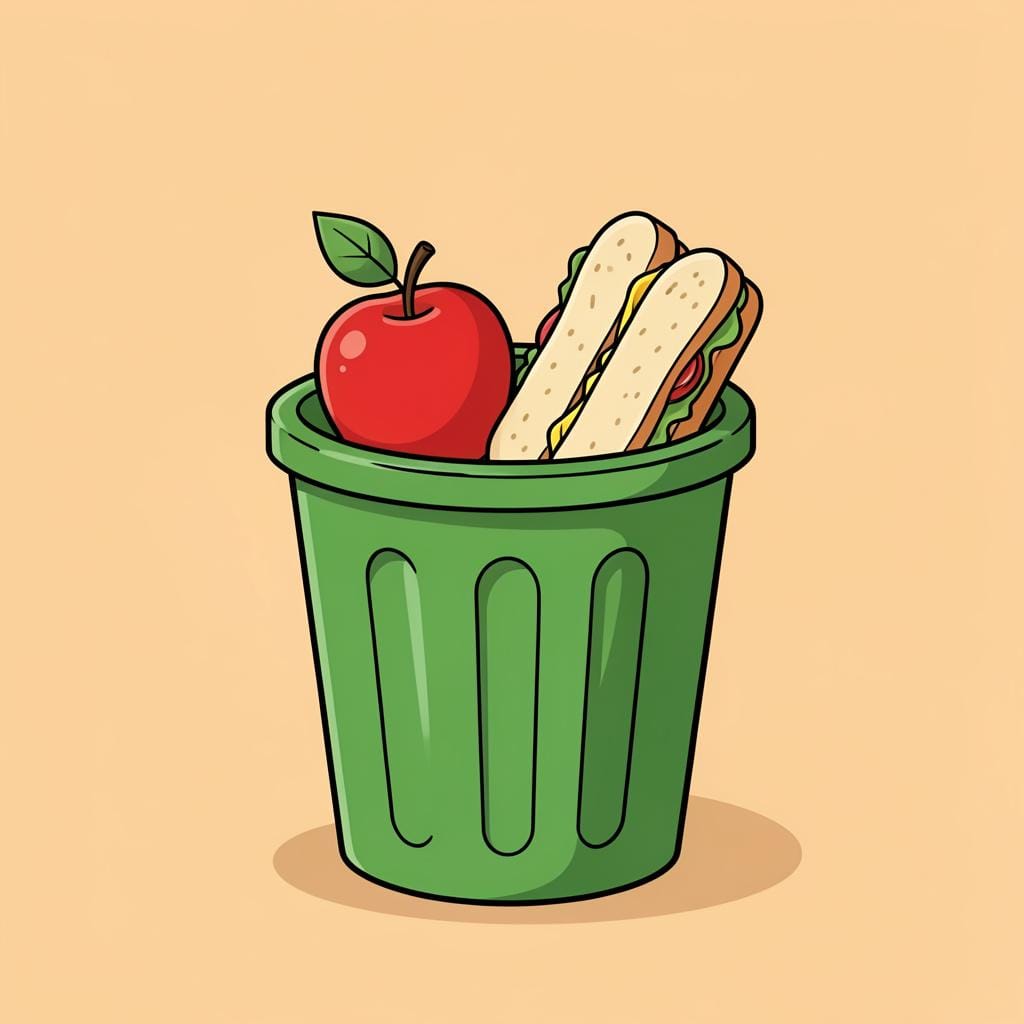
Examples
Tirar comida es un gran desperdicio.
Throwing away food is a huge waste.
Recogieron los desperdicios de la construcción.
They picked up the construction debris.
Always Masculine
Even if you are talking about 'waste' in a general sense, the word is always masculine: 'el desperdicio'.
Desperdicio vs. Basura
Mistake: “Using 'desperdicio' for the bag of trash you put on the curb.”
Correction: Use 'basura' for general trash. Use 'desperdicio' specifically when talking about things that *could* have been used but weren't, or specific scraps like food bits.
Examples
La pérdida de mi billetera me causó muchos problemas.
The loss of my wallet caused me many problems.
tire
TEE-rehˈti.ɾe

Examples
No quiero que él tire el resto de la comida.
I don't want him to throw away the rest of the food.
Espero que no tire dinero en ese coche viejo.
I hope he doesn't waste money on that old car.
Wasting Money
To say 'to waste money' or 'to waste time,' Spanish often uses tirar as a direct substitute for desperdiciar in everyday speech.
pierda
pyehr-dahˈpjeɾða
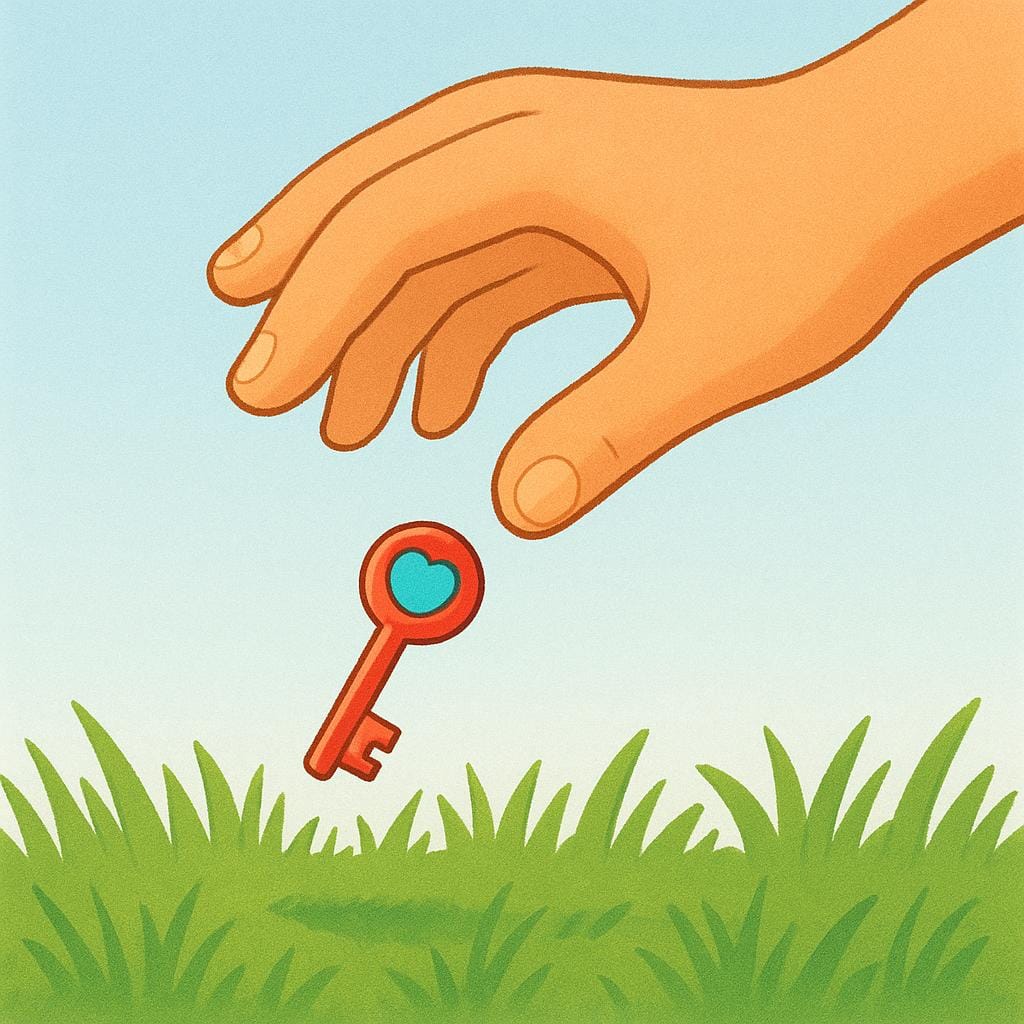
Examples
Espero que no pierda mi teléfono otra vez.
I hope I don't lose my phone again.
Dígale que no pierda el tiempo con esas cosas.
Tell him not to waste time with those things.
Aunque el equipo sea fuerte, existe la posibilidad de que pierda.
Even if the team is strong, there is a possibility that it might lose.
Subjunctive Mood
This form ('pierda') is used when you express wishes, uncertainty, emotions, or opinions about the actions of others (or yourself). It signals that the action hasn't happened yet or is not a guaranteed fact.
Stem Change
The verb perder is irregular. The 'e' in the middle changes to 'ie' in most present tense forms, including 'pierda', but not in the 'we' (nosotros) or 'you all' (vosotros) forms (e.g., perdamos).
Using the wrong mood
Mistake: “No creo que él pierde.”
Correction: No creo que él pierda. (When expressing doubt or disbelief, Spanish requires the special verb form, 'pierda', not the simple fact form, 'pierde'.)
escombro
es-KOHM-brohesˈkombɾo
Examples
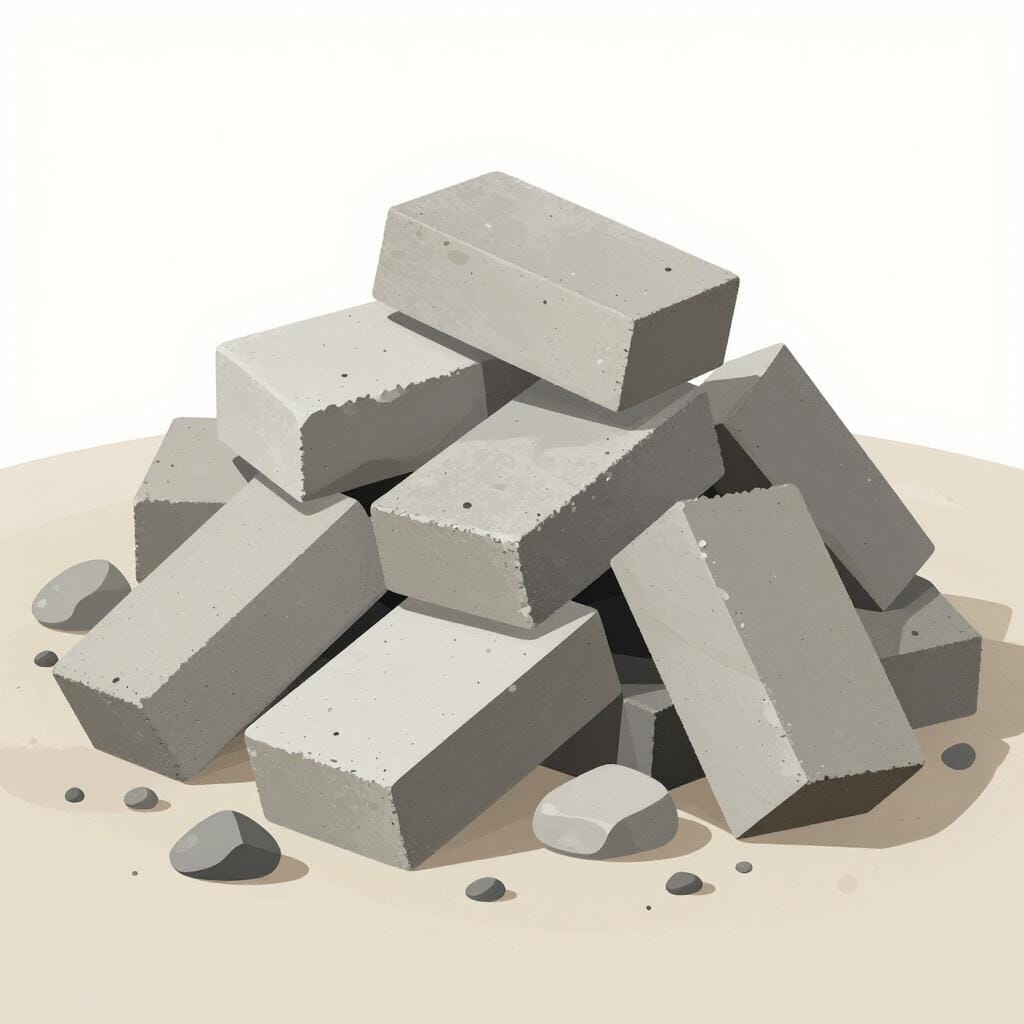
Tuvimos que contratar un camión para llevarse los escombros de la obra.
We had to hire a truck to take away the rubble from the construction site.
Los rescatistas buscaron sobrevivientes bajo los escombros.
Rescuers searched for survivors under the debris.
No tires el escombro en el contenedor de basura normal.
Don't throw the construction waste in the regular trash bin.
Usually used in plural
While 'escombro' exists in singular, you will almost always hear it as 'los escombros' because it refers to a collection of messy materials.
Gender remains the same
This word is always masculine, even when talking about the ruins of a feminine noun like 'la casa' (the house).
Using 'basura' instead
Mistake: “Voy a tirar la basura de la construcción.”
Correction: Voy a tirar los escombros de la construcción. Use 'escombros' for bricks, dust, and stones; 'basura' is for kitchen waste or general trash.
pecado
peh-CAH-dohpeˈkaðo
Examples
Es un pecado tirar tanta comida; mejor dónala.
It's a shame/waste to throw away so much food; better to donate it.
¡Qué pecado que no pudieras venir a la fiesta!
What a pity/shame that you couldn't come to the party!
Dejar de estudiar ahora sería un pecado.
Stopping studying now would be a terrible mistake (a shame).
Expressing Regret
This meaning is almost always used impersonally: 'Es un pecado que...' (It is a shame that...). If you follow it with a verb, the verb often needs the special form for wishes and feelings (subjunctive).
Using the Wrong Verb Form
Mistake: “Es un pecado que no fuiste.”
Correction: Es un pecado que no fueras/hayas ido. (The expression of regret triggers the special verb form.)
Distinguishing Trash from Squandering
Learn Spanish with Inklingo
Interactive stories, personalized learning, and more.