desecho
“desecho” means “waste” in Spanish. It has 2 different meanings depending on context:
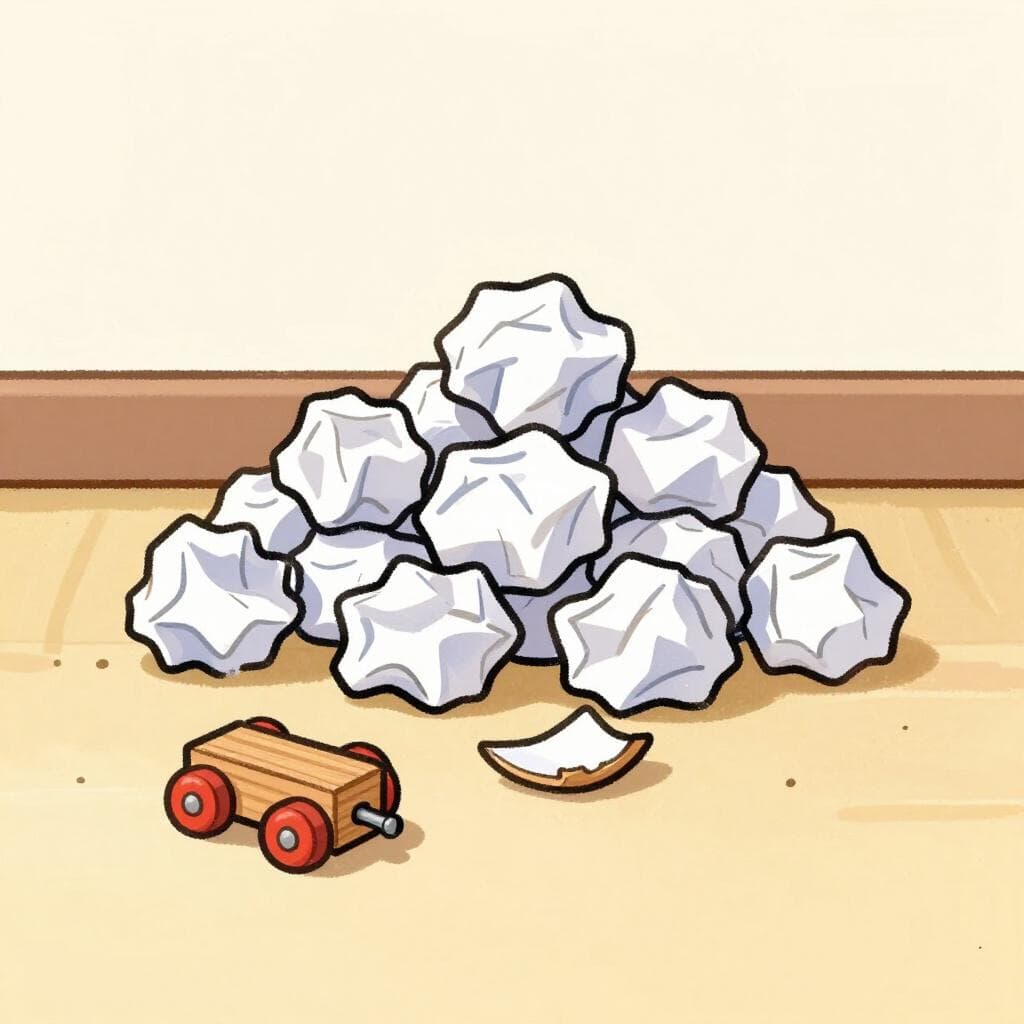
waste
Also: rubbish, scrap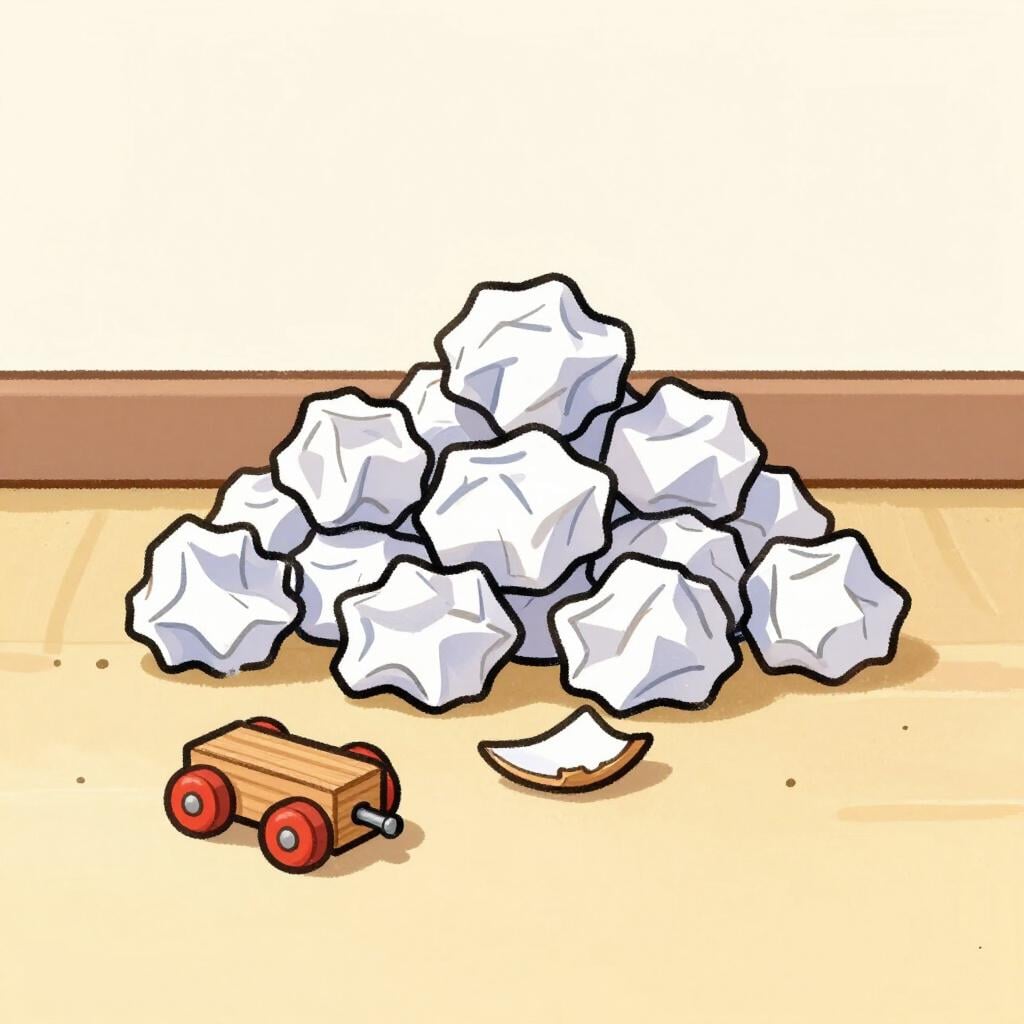
📝 In Action
No tires desechos al suelo.
A2Don't throw waste on the ground.
Muchos desechos plásticos terminan en el mar.
B1Many plastic wastes end up in the sea.
La fábrica produce muchos desechos químicos.
B2The factory produces a lot of chemical waste.
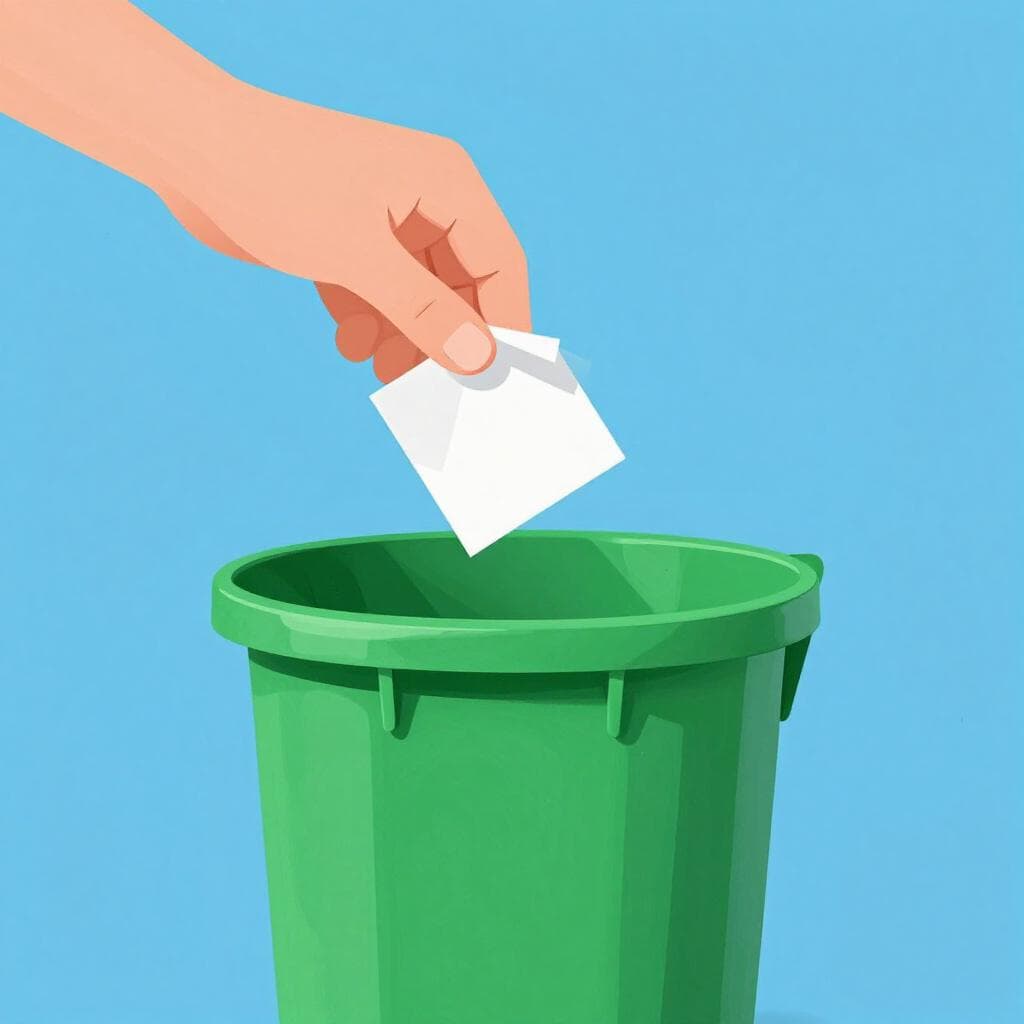
I discard, I reject
Also: I throw away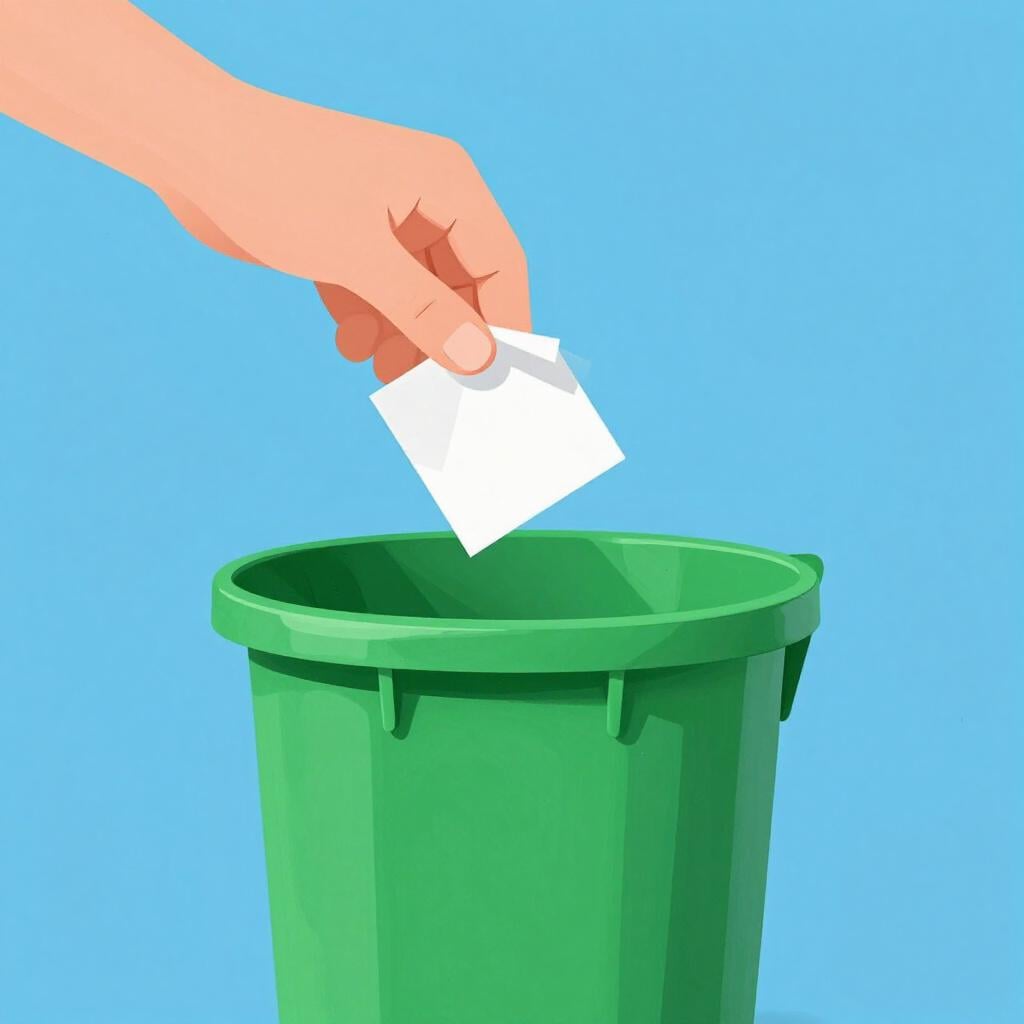
📝 In Action
Desecho esta idea porque es muy cara.
B1I discard this idea because it is very expensive.
Desecho la ropa vieja cada año.
B1I throw away old clothes every year.
Inmediatamente desecho cualquier pensamiento negativo.
C1I immediately reject any negative thoughts.
Subjunctive
Imperfect Subjunctive
Present Subjunctive
Indicative
Preterite
Imperfect
Present
Translate to Spanish
✏️ Quick Practice
Quick Quiz: desecho
Question 1 of 3
Which of these means 'I discard the idea'?
📚 More Resources
👥 Word Family▼
📚 Etymology▼
From the Spanish verb 'desechar', which comes from the combination of 'des-' (meaning away or undoing) and 'echar' (to throw). It literally means 'to throw away'.
First recorded: 13th century
Cognates (Related words)
💡 Master Spanish
Take your Spanish to the next level. Read 200+ illustrated and narrated Spanish stories tailored to your level with the Inklingo app!
Frequently Asked Questions
What is the difference between 'desecho' and 'deshecho'?
They sound exactly the same! However, 'desecho' (no H) means waste or 'I discard'. 'Deshecho' (with an H) is the past version of 'deshacer' and means 'undone' or 'destroyed'.
Is 'desecho' common in everyday conversation?
Yes, especially in the context of recycling or when being slightly more precise than just saying 'basura' (trash).
Can I use 'desecho' to mean I'm breaking up with someone?
Not really. Use 'dejar' or 'romper'. 'Desechar' is more about discarding an object or an idea, not a relationship.