desechar
“desechar” means “to throw away” in Spanish. It has 2 different meanings depending on context:
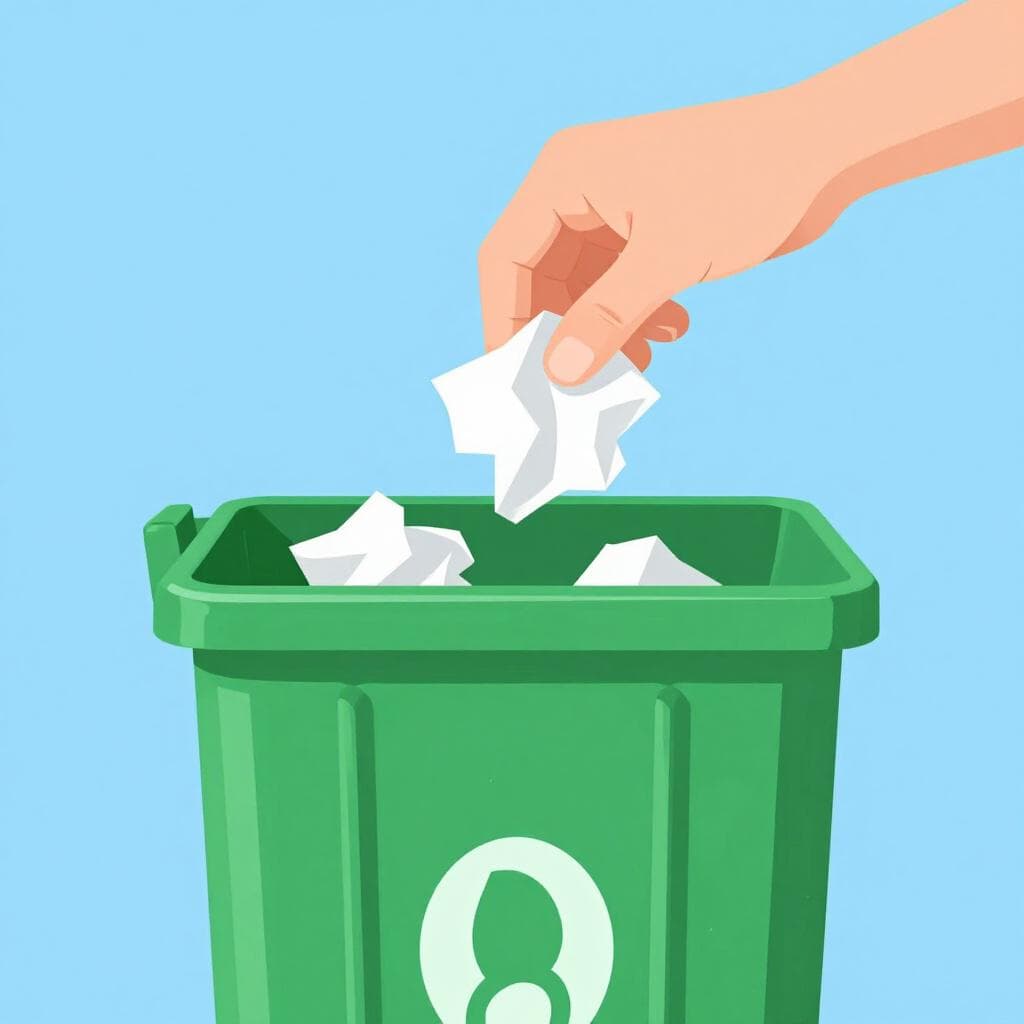

to throw away
Also: to discard, to scrap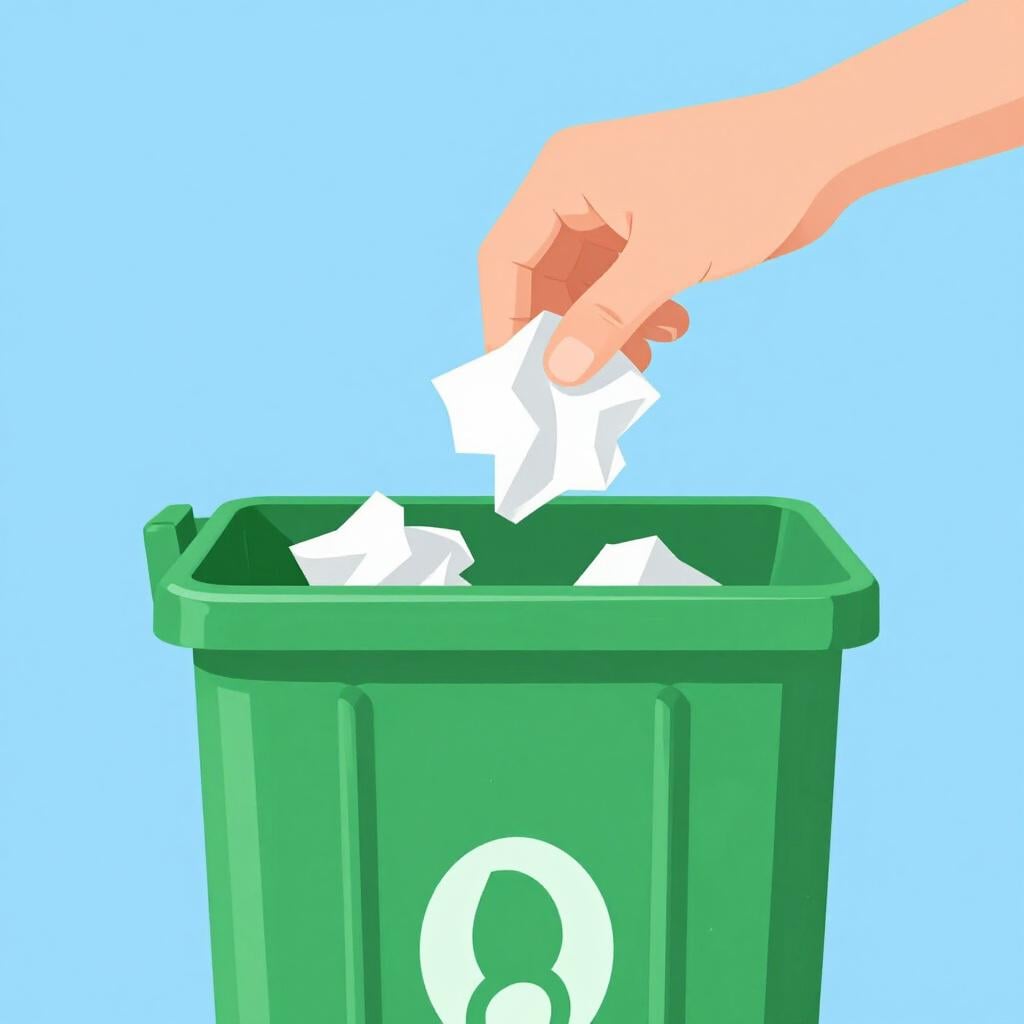
📝 In Action
Debemos desechar el plástico en el contenedor amarillo.
A2We should throw away plastic in the yellow bin.
Deseché todos los documentos viejos ayer.
B1I discarded all the old documents yesterday.
Es importante desechar los residuos de forma responsable.
B2It is important to dispose of waste responsibly.
to reject
Also: to dismiss, to rule out
📝 In Action
El comité desechó la propuesta por falta de presupuesto.
B2The committee rejected the proposal due to a lack of budget.
No deseches esa posibilidad todavía.
B1Don't rule out that possibility yet.
Desechó sus miedos y decidió viajar solo.
C1He dismissed his fears and decided to travel alone.
Subjunctive
Imperfect Subjunctive
Present Subjunctive
Indicative
Preterite
Imperfect
Present
Translate to Spanish
✏️ Quick Practice
Quick Quiz: desechar
Question 1 of 3
Which sentence is best for a recycling sign?
📚 More Resources
👥 Word Family▼
🎵 Rhymes▼
📚 Etymology▼
Formed from the prefix 'des-' (meaning away or undoing) and the verb 'echar' (to throw), which comes from the Latin 'iactare' (to hurl).
First recorded: 13th century
Cognates (Related words)
💡 Master Spanish
Take your Spanish to the next level. Read 200+ illustrated and narrated Spanish stories tailored to your level with the Inklingo app!
Frequently Asked Questions
Is 'desechar' the same as 'tirar'?
Mostly, yes. 'Tirar' is what you say at home with friends ('Tira eso a la basura'). 'Desechar' is more formal and used in writing or professional settings.
Can I use 'desechar' for people?
It's rare and sounds quite harsh. It implies treating someone like garbage. It's better to use 'rechazar' (to reject) or 'descartar' (to rule out a candidate).
Is it a regular verb?
Yes! It follows the exact same pattern as 'amar' or 'hablar' in every single tense.