How to Say "to dismiss" in Spanish
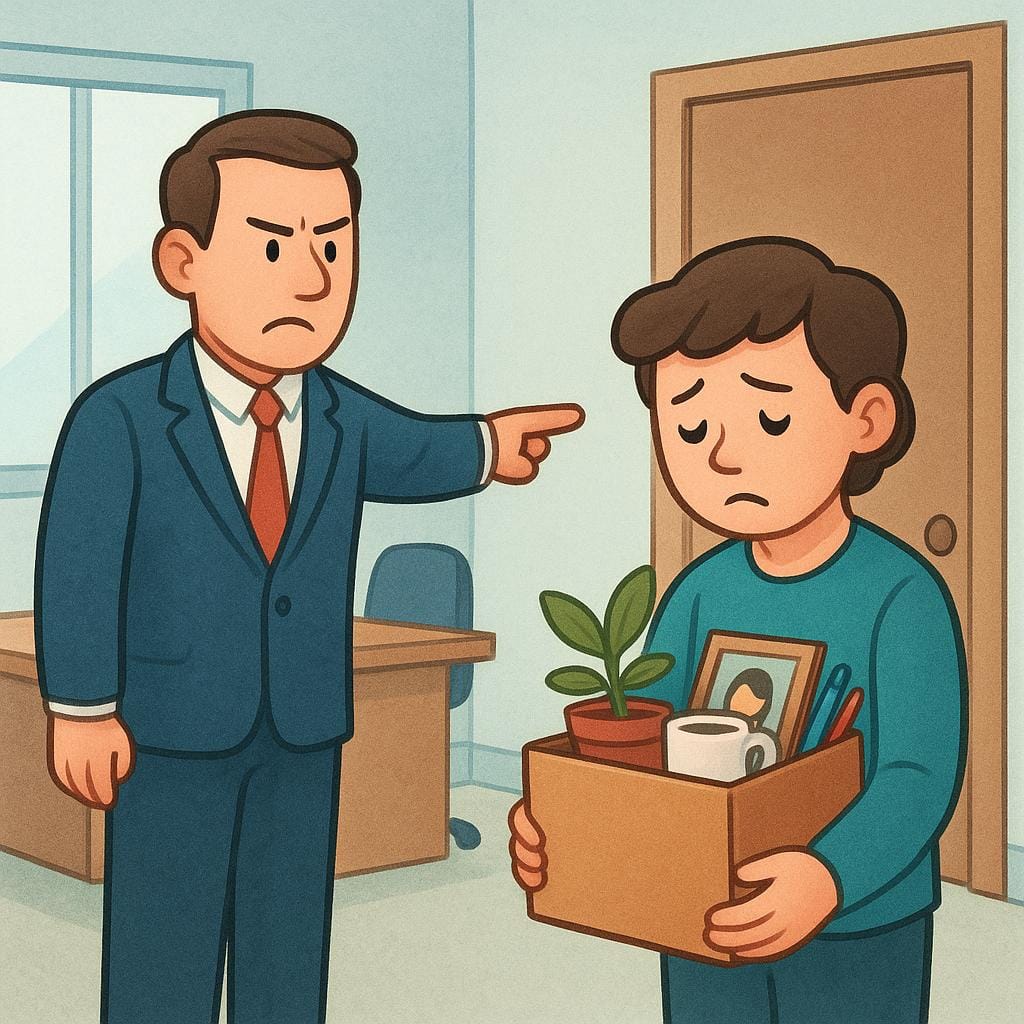
The most common Spanish word for “to dismiss” is “despedir” — use this when talking about ending someone's employment or terminating a legal case.
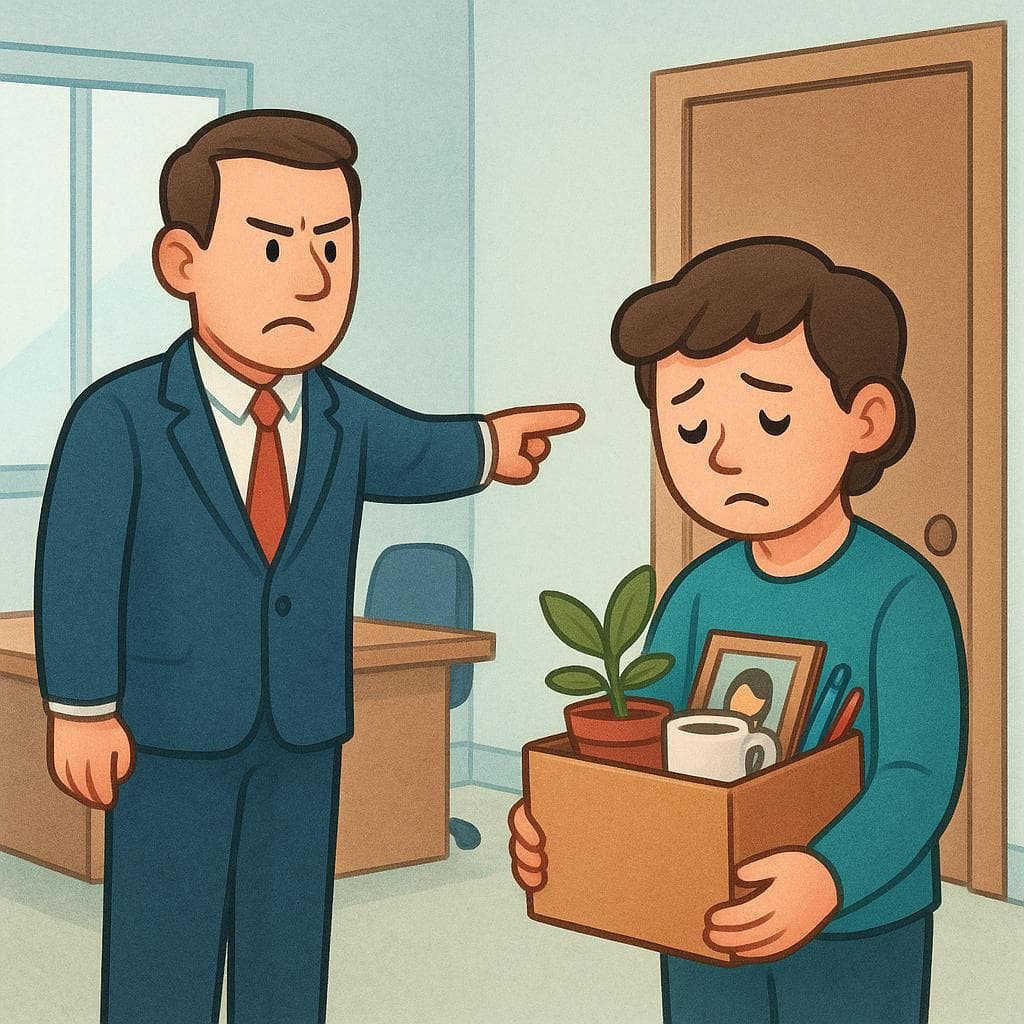
Use this when talking about ending someone's employment or terminating a legal case.
Learn more →
Use this to indicate that an idea, suggestion, or possibility has been disregarded or ruled out.
Learn more →
Use this when rejecting something like a proposal, a plan, or even negative feelings or thoughts.
Learn more →
Use this in a legal context to mean closing a case or filing documents away.
Learn more →
Use this in official or legal contexts to formally reject a claim, lawsuit, or appeal.
Learn more →
Use this to describe sending someone away quickly, finishing a task efficiently, or terminating employment.
Learn more →Use this to mean 'to cease' or 'to stop', often used for abstract things like rain or a trend, but can also mean to end employment formally.
Learn more →des-peh-DEERdes.peˈðiɾ
Examples
Despidieron a Juan por llegar tarde todos los días.
They fired Juan for being late every day.
El jefe me dijo que si no mejoro, me despide.
The boss told me that if I don't improve, he will fire me.
Stem-Changing Verb
In many forms (like 'yo despido'), the 'e' in the stem changes to 'i'. This is a common pattern for 'ir' verbs like 'pedir' (to ask) and 'servir' (to serve).
des-kar-TARdeskaɾˈtaɾ

Examples
El médico descartó una fractura tras ver la radiografía.
The doctor ruled out a fracture after seeing the X-ray.
No podemos descartar ninguna posibilidad todavía.
We cannot rule out any possibility yet.
Han descartado mi propuesta por ser demasiado cara.
They have dismissed my proposal for being too expensive.
Medical Usage
In medical contexts, when a doctor says they 'rule out' a disease, they almost always use this verb.
Use with 'por'
When you say WHY something was ruled out, use the word 'por' (because of). For example: 'Descartado por falta de tiempo'.
Descartar vs. Rechazar
Mistake: “Rechacé la posibilidad de ir.”
Correction: Descarté la posibilidad de ir. (While similar, 'descartar' is better for logically eliminating options, whereas 'rechazar' feels more like a personal rejection.)
deh-seh-CHARdeseˈtʃaɾ

Examples
El comité desechó la propuesta por falta de presupuesto.
The committee rejected the proposal due to a lack of budget.
No deseches esa posibilidad todavía.
Don't rule out that possibility yet.
Desechó sus miedos y decidió viajar solo.
He dismissed his fears and decided to travel alone.
Abstract Usage
When using this word for thoughts or plans, it follows the same grammar as the physical meaning, but it sounds much more professional and sophisticated.
Rejecting people
Mistake: “Él desechó a su novia.”
Correction: Él rompió con su novia. We usually 'desechar' things or ideas, but using it for people sounds very cold, as if you are throwing them in the trash.
ar-chee-BARaɾtʃiˈβaɾ

Examples
Por favor, archiva estas facturas en la carpeta azul.
Please file these invoices in the blue folder.
He decidido archivar mis fotos antiguas en la nube.
I have decided to archive my old photos in the cloud.
El juez tuvo que archivar el caso por falta de pruebas.
The judge had to dismiss the case due to lack of evidence.
It's a regular -ar verb
Good news! This word follows the standard pattern for all -ar verbs. If you know how to conjugate 'hablar', you know how to conjugate 'archivar'.
Direct Object usage
You usually need to say WHAT you are filing immediately after the verb. For example: 'Lo archivo' (I file it).
Confusing file storage with file creation
Mistake: “Voy a archivar un nuevo informe (when you mean you are writing it).”
Correction: Use 'redactar' or 'crear' to make it; use 'archivar' only when you are finished and putting it away.
dess-ess-tee-MARdesestiˈmaɾ

Examples
El juez decidió desestimar la demanda por falta de pruebas.
The judge decided to dismiss the lawsuit due to a lack of evidence.
El comité desestimó la propuesta inicial del proyecto.
The committee rejected the initial project proposal.
Si no completas los documentos, podrían desestimar tu solicitud.
If you don't complete the documents, they might dismiss your application.
It's a Regular Verb
Good news! This verb follows the exact same pattern as 'hablar.' No tricky stem changes to memorize.
Using 'que' after desestimar
When you want to say someone rejected 'that' something happened, follow the verb with 'que' and a clause.
Desestimar vs. Subestimar
Mistake: “No deberías desestimar mis habilidades.”
Correction: No deberías subestimar mis habilidades.
des-pah-CHARdespaˈt͡ʃaɾ

Examples
Despachó todos los correos en una hora.
He dealt with all the emails in an hour.
El jefe lo despachó sin darle explicaciones.
The boss dismissed him without giving any explanations.
Tenemos que despachar este asunto hoy mismo.
We have to settle/finish this matter this very day.
Handling actions
When used for tasks, this word implies speed and efficiency. It’s like saying 'to knock out' a task in English.
césar
Examples
La lluvia cesó justo antes de que empezara el partido.
The rain ceased just before the match began.
Distinguishing 'Despedir' from 'Descartar'
Learners often confuse 'despedir' and 'descartar'. Remember that 'despedir' is primarily used for firing someone from a job or ending a court case. 'Descartar', on the other hand, means to rule out or disregard an idea, suggestion, or possibility.
Related Translations
Learn Spanish with Inklingo
Interactive stories, personalized learning, and more.