How to Say "to reject" in Spanish
The most common Spanish word for “to reject” is “rechazar” — this is the most general and common way to say 'to reject' when refusing an idea, a proposal, or a person, and is also used for medical transplants.
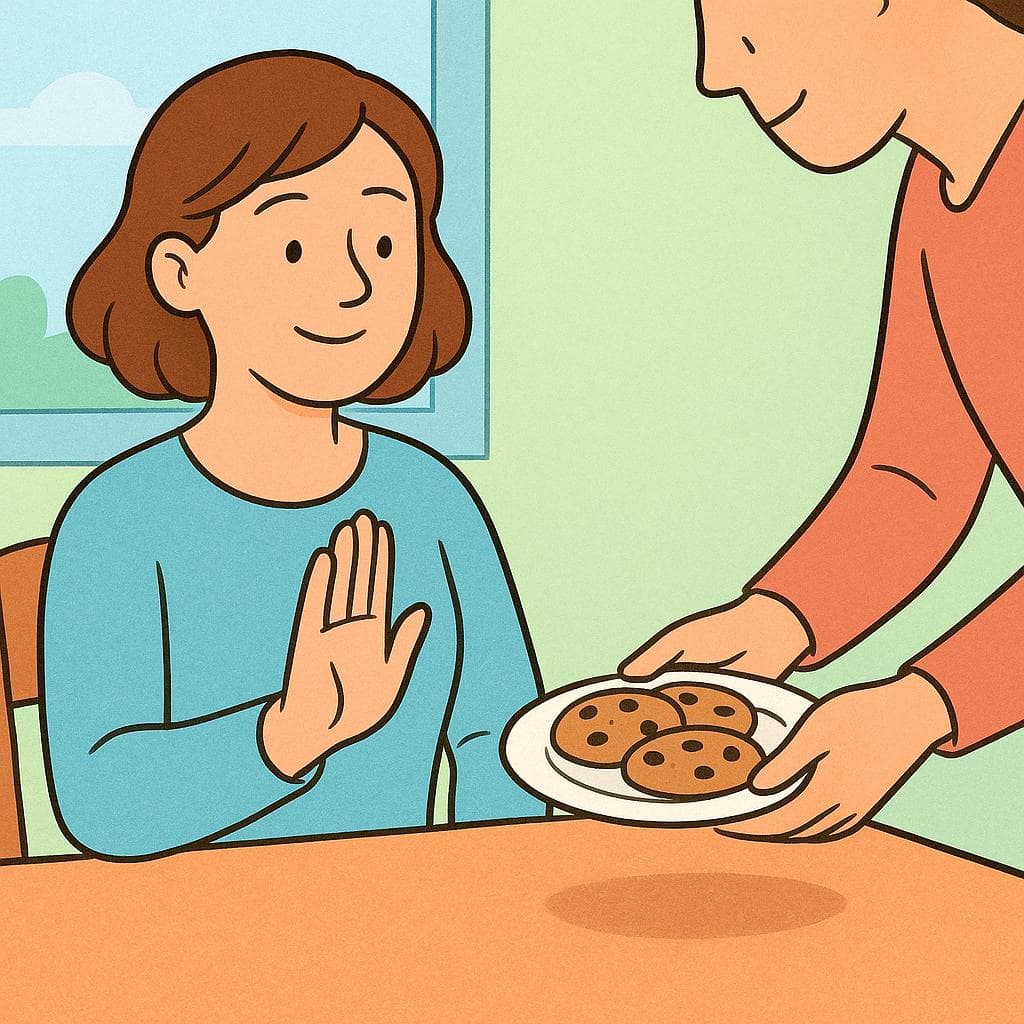
This is the most general and common way to say 'to reject' when refusing an idea, a proposal, or a person, and is also used for medical transplants.
Learn more →
Use this verb when politely declining a specific invitation, proposal, or offer, often implying a choice rather than a forceful refusal.
Learn more →
This word is used for discarding or dismissing ideas, plans, theories, or objects that are no longer considered useful or valid.
Learn more →
This is a more formal term, typically used in legal or official contexts to dismiss a claim, appeal, or lawsuit.
Learn more →
Use this informal verb when someone rejects a romantic advance, a date request, or a proposal of a relationship.
Learn more →
This implies rejecting something because you consider it to be of poor quality, unworthy, or beneath you.
Learn more →
Informally used to describe failing someone on an exam or project, or rejecting a proposal or law, often in a decisive or definitive way.
Learn more →
This is a very informal slang term meaning to dump someone or end a relationship abruptly.
Learn more →rreh-chah-SAHRretʃaˈθaɾ
Examples
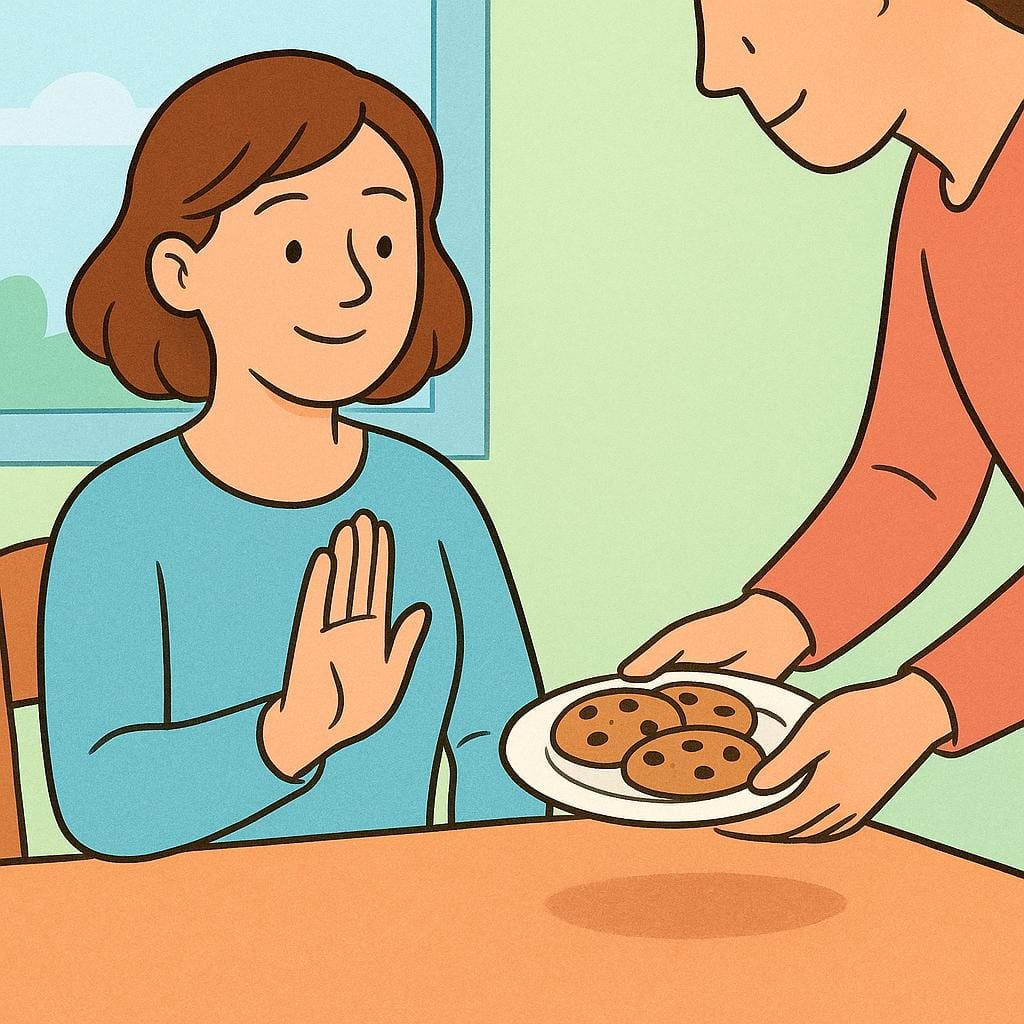
Ella rechazó la oferta de trabajo porque el sueldo era bajo.
She rejected the job offer because the salary was low.
Espero que no rechacen mi solicitud de crédito.
I hope they don't turn down my loan application.
Rechazamos cualquier tipo de violencia.
We reject any type of violence.
El cuerpo del paciente rechazó el nuevo riñón.
The patient's body rejected the new kidney.
The Z to C Swap
When you have a verb ending in -zar, the 'z' changes to a 'c' whenever it's followed by an 'e'. This happens in the 'yo' form of the past tense (rechacé) and all forms of the special 'wish' verb form (subjunctive).
Rechazar vs. Negar
Mistake: “Using 'negar' to decline an invitation.”
Correction: Use 'rechazar'. 'Negar' means to claim something is not true (to deny), while 'rechazar' is to say no to something offered.
ray-oo-SARreuˈsaɾ

Examples
Ella rehusó la invitación porque tenía mucho trabajo.
She declined the invitation because she had a lot of work.
El testigo rehusó contestar a las preguntas del abogado.
The witness refused to answer the lawyer's questions.
No puedes rehusar una oferta tan generosa.
You cannot refuse such a generous offer.
Directly Followed by Action
When you want to say you refuse 'to do' something, put the other verb right after 'rehusar' without any connecting words like 'a' or 'de'.
The Accent Mark Pattern
Even though it is a regular verb, it gets an accent mark on the 'ú' in many present-tense forms (like 'rehúso') to keep the sound of the 'u' clear and separate from the 'e'.
Rehusar vs. Reusar
Mistake: “Using 'reusar' to mean 'to refuse'.”
Correction: Use 'rehusar' (with an 'h') to refuse something. Use 'reusar' (without an 'h') to mean 'to reuse' something, like a plastic bottle.
deh-seh-CHARdeseˈtʃaɾ

Examples
El comité desechó la propuesta por falta de presupuesto.
The committee rejected the proposal due to a lack of budget.
No deseches esa posibilidad todavía.
Don't rule out that possibility yet.
Desechó sus miedos y decidió viajar solo.
He dismissed his fears and decided to travel alone.
Abstract Usage
When using this word for thoughts or plans, it follows the same grammar as the physical meaning, but it sounds much more professional and sophisticated.
Rejecting people
Mistake: “Él desechó a su novia.”
Correction: Él rompió con su novia. We usually 'desechar' things or ideas, but using it for people sounds very cold, as if you are throwing them in the trash.
dess-ess-tee-MARdesestiˈmaɾ

Examples
El juez decidió desestimar la demanda por falta de pruebas.
The judge decided to dismiss the lawsuit due to a lack of evidence.
El comité desestimó la propuesta inicial del proyecto.
The committee rejected the initial project proposal.
Si no completas los documentos, podrían desestimar tu solicitud.
If you don't complete the documents, they might dismiss your application.
It's a Regular Verb
Good news! This verb follows the exact same pattern as 'hablar.' No tricky stem changes to memorize.
Using 'que' after desestimar
When you want to say someone rejected 'that' something happened, follow the verb with 'que' and a clause.
Desestimar vs. Subestimar
Mistake: “No deberías desestimar mis habilidades.”
Correction: No deberías subestimar mis habilidades.
bah-teh-ahrba.teˈaɾ

Examples
Le pedí su número pero me bateó.
I asked for her number but she rejected me.
No quiero invitarlo a salir porque me va a batear.
I don't want to ask him out because he is going to turn me down.
Pobre Juan, lo han bateado tres veces esta semana.
Poor Juan, he's been shut down three times this week.
Using the 'Personal A'
Since this meaning involves rejecting a person, you must use the word 'a' before the person's name: 'Bateó a Juan' (She rejected Juan).
Too formal
des-pre-thyahrdespreˈθjaɾ

Examples
No puedes despreciar una oferta de trabajo tan buena.
You can't turn down such a good job offer.
Despreciaron el peligro y cruzaron el bosque de noche.
They disregarded the danger and crossed the forest at night.
Ella despreció mi regalo sin siquiera abrirlo.
She rejected my gift without even opening it.
Nuance of Rejection
Unlike the neutral word 'rechazar' (to reject), using 'despreciar' implies that you rejected it because you thought it was worthless or not good enough.
toom-BARtumˈbaɾ

Examples
El profesor me tumbó en el examen final.
The teacher flunked me in the final exam.
El tribunal tumbó la nueva ley por ser inconstitucional.
The court threw out the new law for being unconstitutional.
Tumbamos el proyecto porque era demasiado caro.
We scrapped the project because it was too expensive.
Subject vs. Object
In the sense of 'failing an exam', the teacher is usually the one who 'tumba' (knocks down) the student.
Mistaking with 'Suspender'
Mistake: “Tumbé el examen.”
Correction: Me tumbaron en el examen.
pah-teh-ARpa.teˈaɾ

Examples
Me patearon en el examen de conducir, tendré que repetirlo.
They failed me on the driving test; I'll have to repeat it.
General vs. Specific Rejection
Learners often default to 'rechazar' for all situations. Remember that 'desechar' is for ideas, 'desestimar' is formal/legal, 'batear' is for romantic advances, and 'despreciar' implies looking down on the rejected item.
Related Translations
Learn Spanish with Inklingo
Interactive stories, personalized learning, and more.