How to Say "to discard" in Spanish
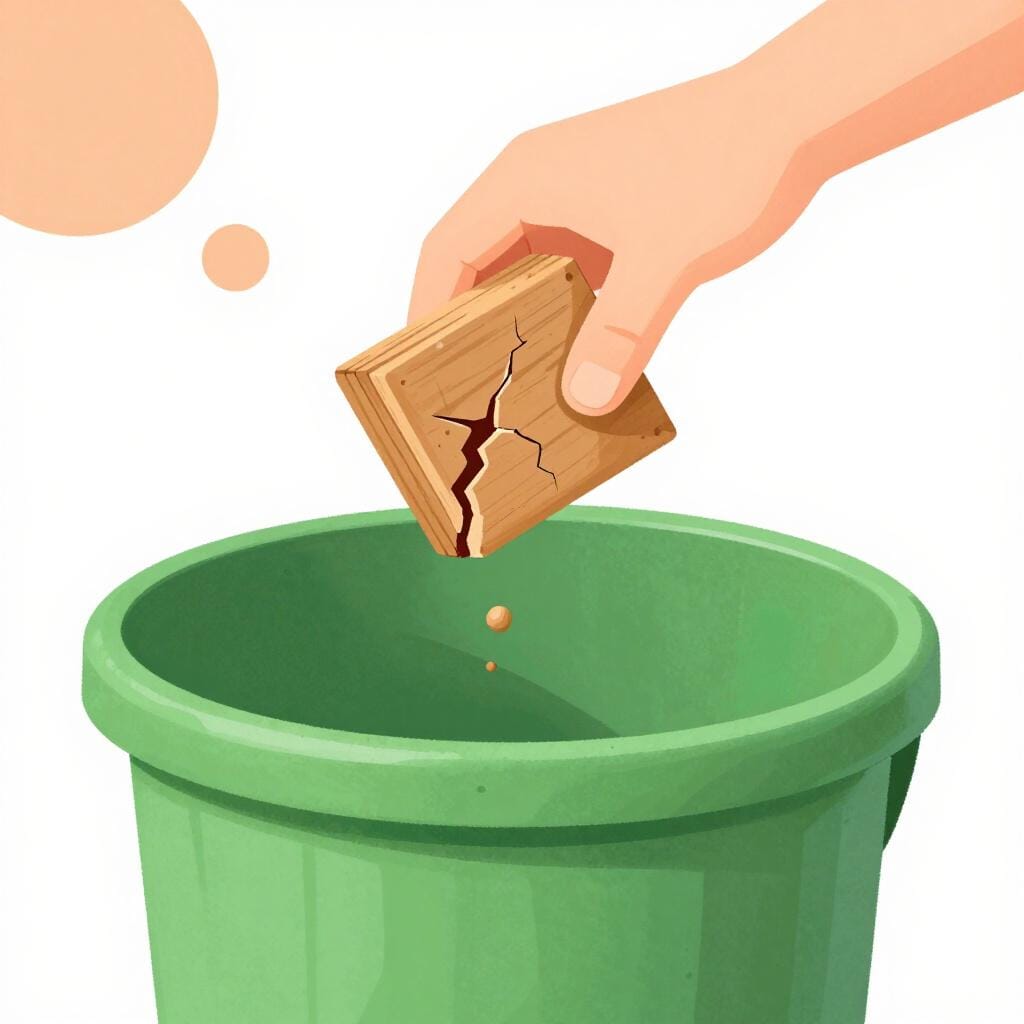
The most common Spanish word for “to discard” is “tirar” — use 'tirar' for the most common, everyday action of throwing something away, like trash or an item you no longer want.

Use 'tirar' for the most common, everyday action of throwing something away, like trash or an item you no longer want.
Learn more →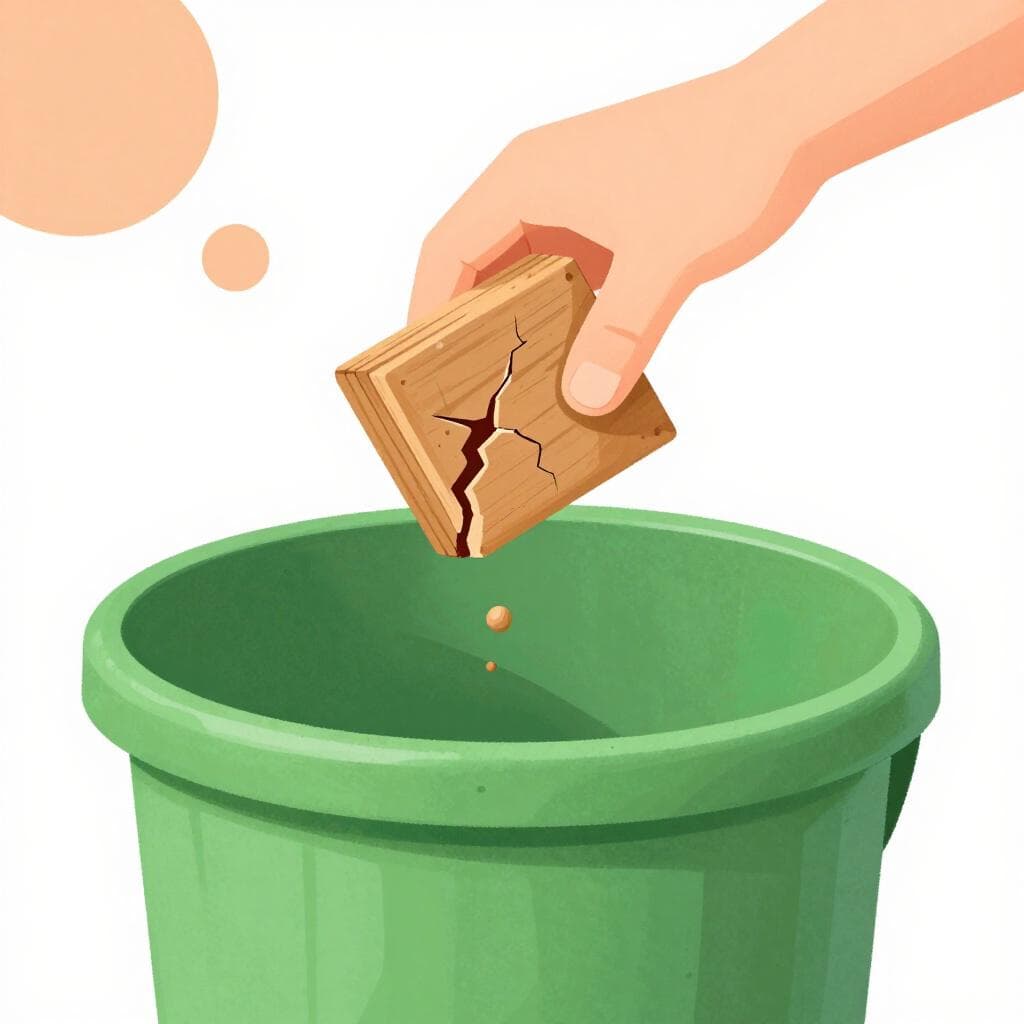
Use 'descartar' when you need to get rid of something that is no longer needed or useful, such as information or a physical object.
Learn more →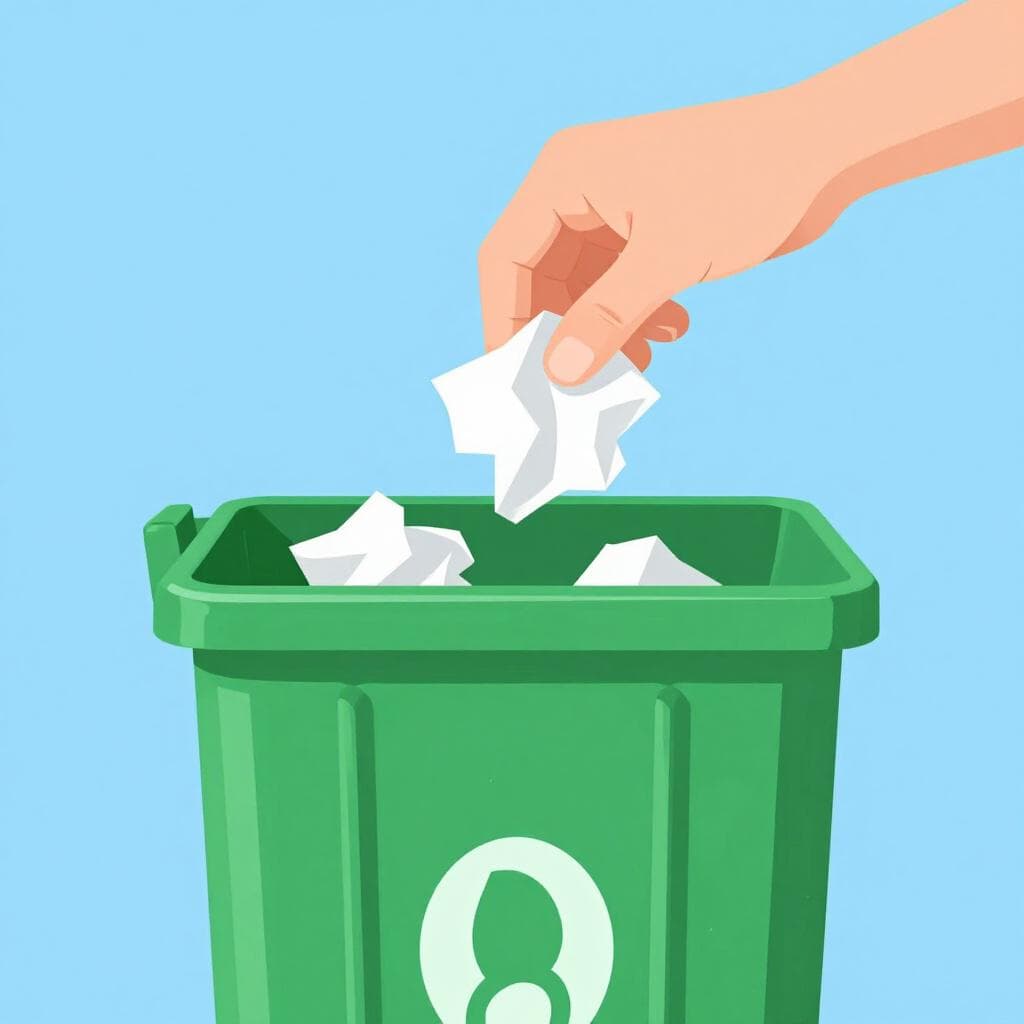
Choose 'desechar' in more formal contexts, particularly when referring to getting rid of waste or something considered unworthy.
Learn more →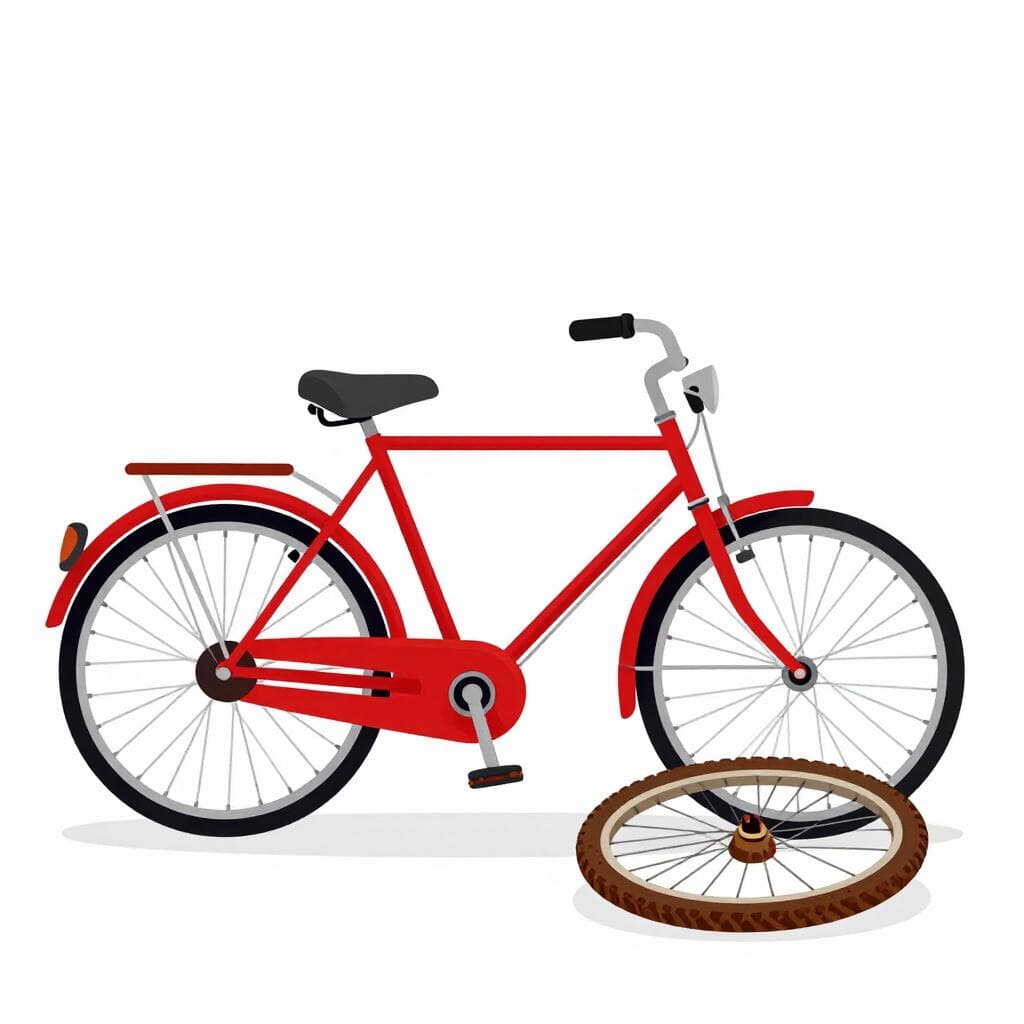
Use 'jubilar' specifically when you are retiring or replacing an old, worn-out, or broken object.
Learn more →
Employ 'despojar' when the meaning is more figurative, referring to letting go of or removing something, often an item of clothing or a burden.
Learn more →tee-RAHRtiˈɾaɾ

Examples
El niño no paraba de tirar la pelota.
The boy wouldn't stop throwing the ball.
Necesitas tirar esta caja vieja a la basura.
You need to throw this old box in the trash.
El viento tiró el árbol durante la tormenta.
The wind knocked down the tree during the storm.
Using 'Tirar' for Trash
When talking about throwing something away, you often use the construction 'tirar a la basura' (throw to the trash).
Throwing vs. Dropping
Mistake: “Using 'tirar' when you mean 'to drop' something accidentally.”
Correction: Use 'dejar caer' or 'se me cayó'. 'Tirar' implies intention.
des-kar-TARdeskaɾˈtaɾ
Examples
Tienes que descartar las cartas que no quieras.
You have to discard the cards you don't want.
He descartado toda la ropa que ya no me queda.
I have thrown away all the clothes that no longer fit me.
Es mejor descartar el papel en el contenedor azul.
It is better to discard the paper in the blue bin.
Direct Action Verb
You don't need a word like 'of' or 'from' after this verb. Just say 'descartar' followed by the object you are getting rid of.
Completely Regular
This verb follows the standard pattern for all verbs ending in -ar, making it very predictable to conjugate.
Adding 'de'
Mistake: “Descartar de los papeles viejos.”
Correction: Descartar los papeles viejos. (In Spanish, you discard things directly without adding 'de'.)
deh-seh-CHARdeseˈtʃaɾ
Examples
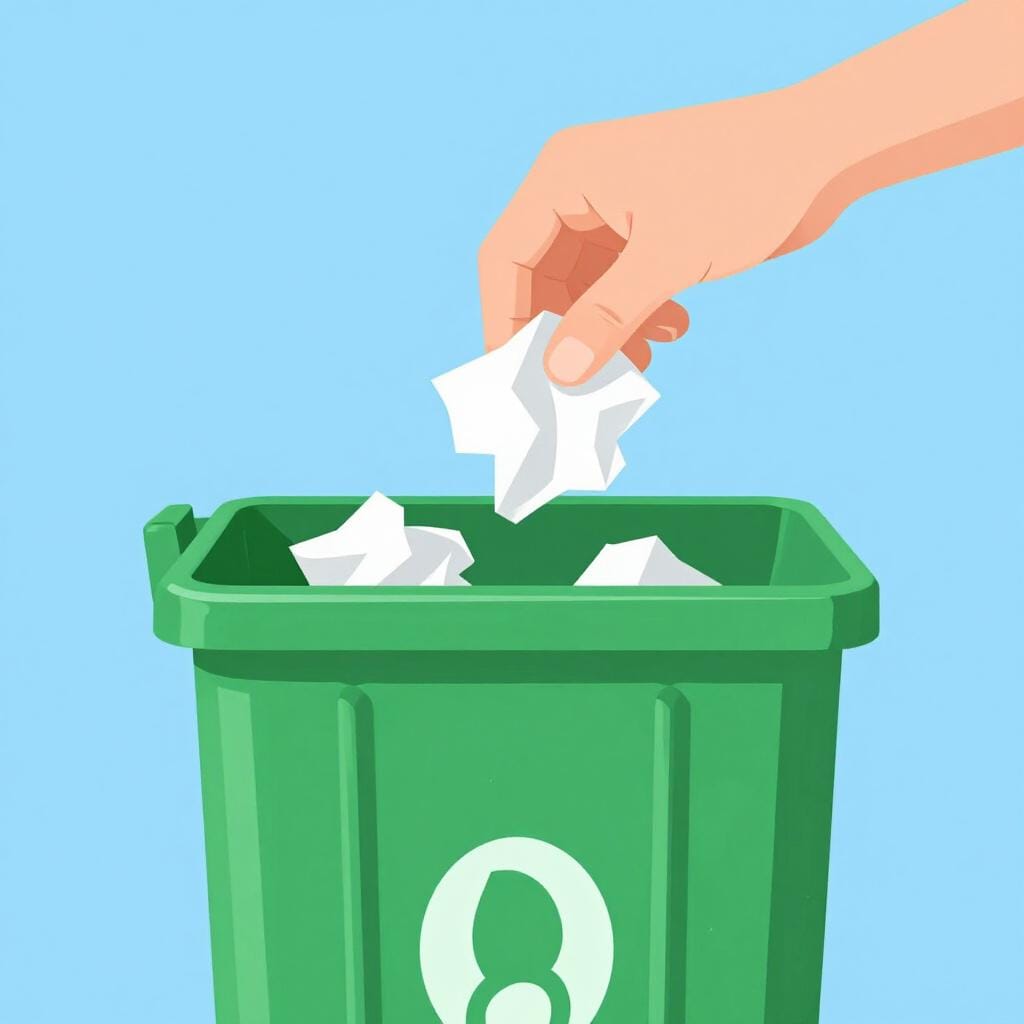
Debemos desechar el plástico en el contenedor amarillo.
We should throw away plastic in the yellow bin.
Deseché todos los documentos viejos ayer.
I discarded all the old documents yesterday.
Es importante desechar los residuos de forma responsable.
It is important to dispose of waste responsibly.
A Simple Action Verb
Desechar acts just like 'hablar' or 'cantar.' It follows the standard pattern for verbs ending in -ar.
Desechar vs. Echar
Mistake: “Echar la ropa vieja.”
Correction: Desechar la ropa vieja. 'Echar' just means to throw or toss, but 'desechar' implies you are getting rid of it forever because it's no longer useful.
hoo-bee-LAHRxu.βi.ˈlaɾ
Examples
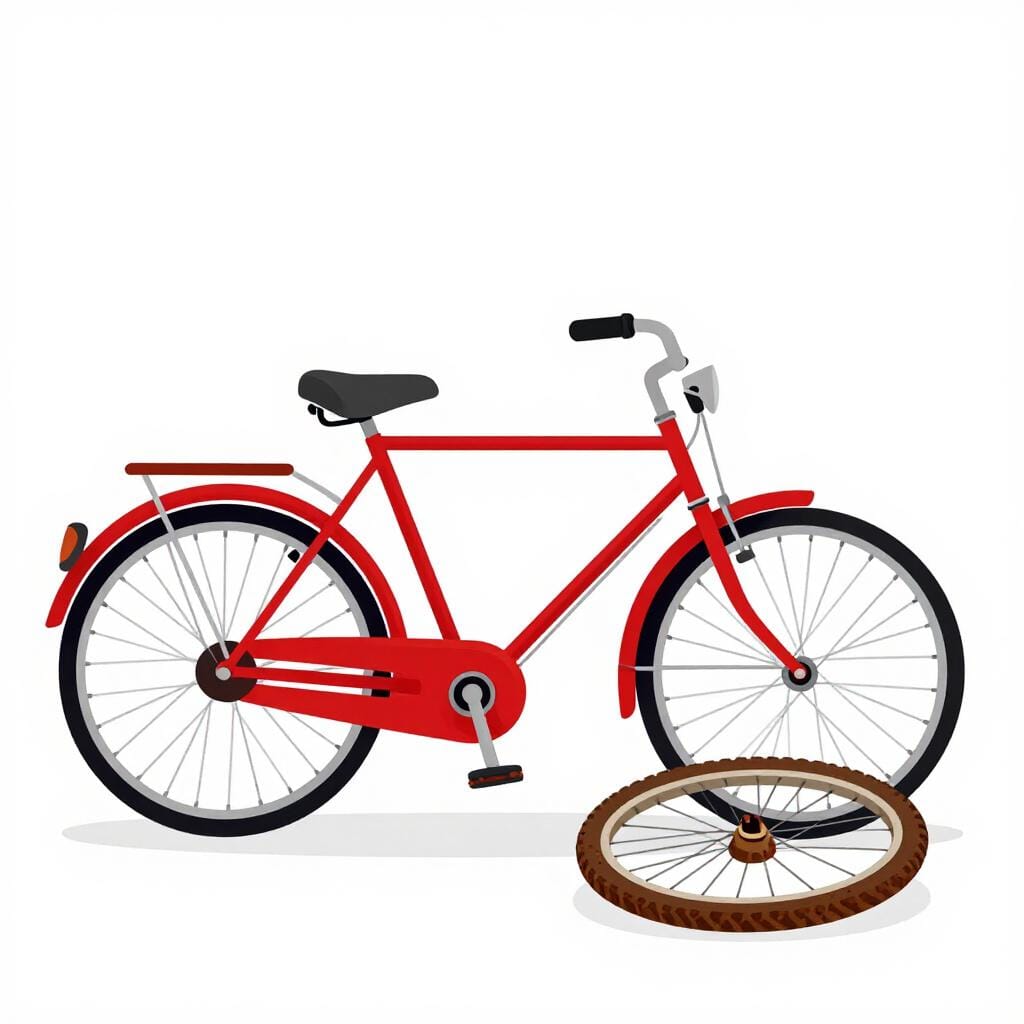
He decidido jubilar mi viejo coche; ya no arranca bien.
I've decided to retire my old car; it doesn't start well anymore.
¡Deberías jubilar esas botas, tienen agujeros!
You should retire those boots, they have holes!
Voy a jubilar este ordenador y comprarme uno nuevo.
I'm going to retire this computer and buy a new one.
Figurative Language
This usage treats an inanimate object like an old employee who has finished their service.
des-po-HARdespoˈxaɾ

Examples
Al llegar a casa, se despojó de su pesado abrigo.
Upon arriving home, he shed his heavy coat.
Debes despojarte de tus miedos si quieres tener éxito.
You must rid yourself of your fears if you want to succeed.
El árbol se despoja de sus hojas en otoño.
The tree sheds its leaves in autumn.
The Reflexive 'se'
When you are shedding something of your own (like your clothes or your own fear), you add 'se' to the end of the verb (despojarse) to show the action is being done to yourself.
Using it for everyday undressing
Mistake: “Me despojo los zapatos.”
Correction: Me quito los zapatos. 'Despojarse' is very dramatic; for daily tasks, use 'quitarse'.
Choosing Between 'Tirar', 'Descartar', and 'Desechar'
Learners often confuse 'tirar', 'descartar', and 'desechar'. Remember that 'tirar' is for simple, everyday throwing away. 'Descartar' is for getting rid of something no longer needed, while 'desechar' is a more formal term for discarding, often used for waste or things deemed unworthy.
Related Translations
Learn Spanish with Inklingo
Interactive stories, personalized learning, and more.