despojar
“despojar” means “to strip” in Spanish. It has 2 different meanings depending on context:

to strip
Also: to deprive, to rob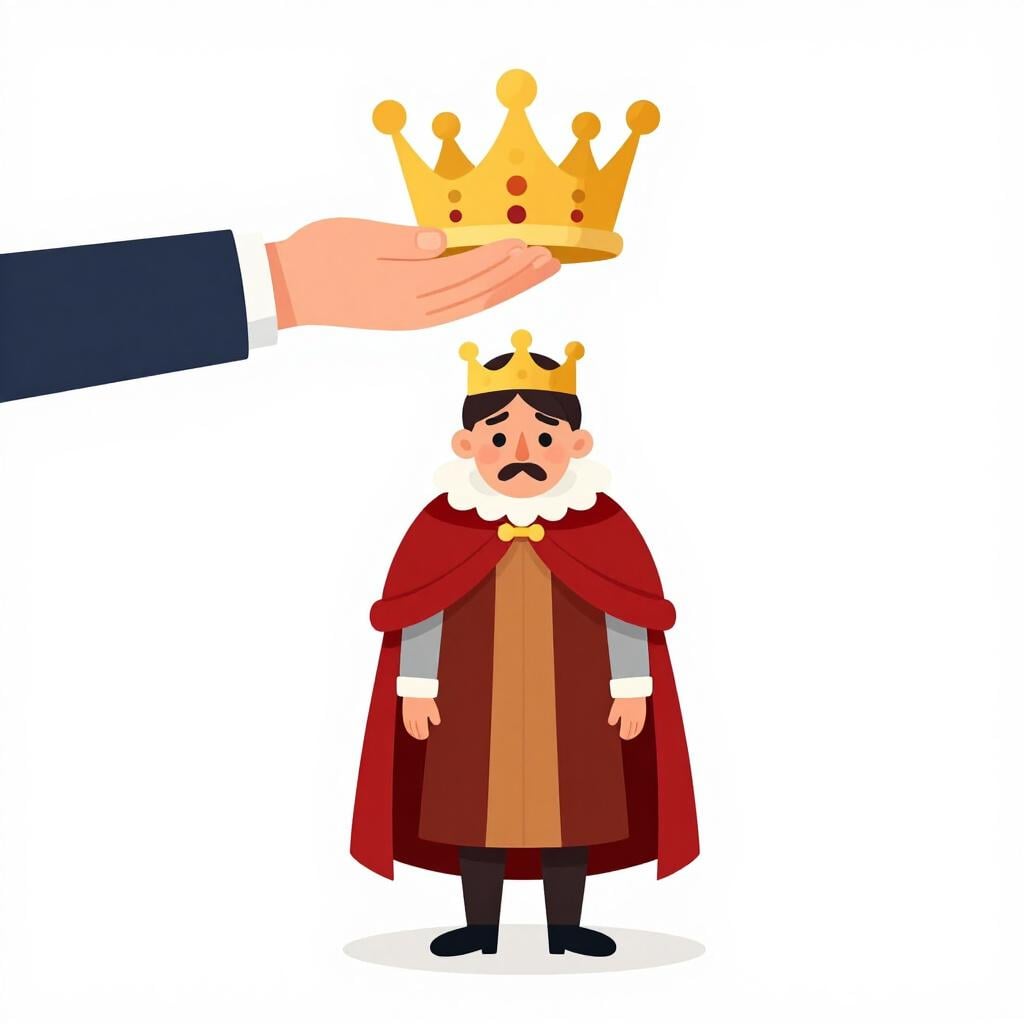
📝 In Action
El dictador decidió despojar al pueblo de sus derechos básicos.
B2The dictator decided to strip the people of their basic rights.
Fue despojado de todas sus pertenencias durante el asalto.
B2He was stripped of all his belongings during the robbery.
La ley no puede despojar a un ciudadano de su nacionalidad.
C1The law cannot deprive a citizen of their nationality.
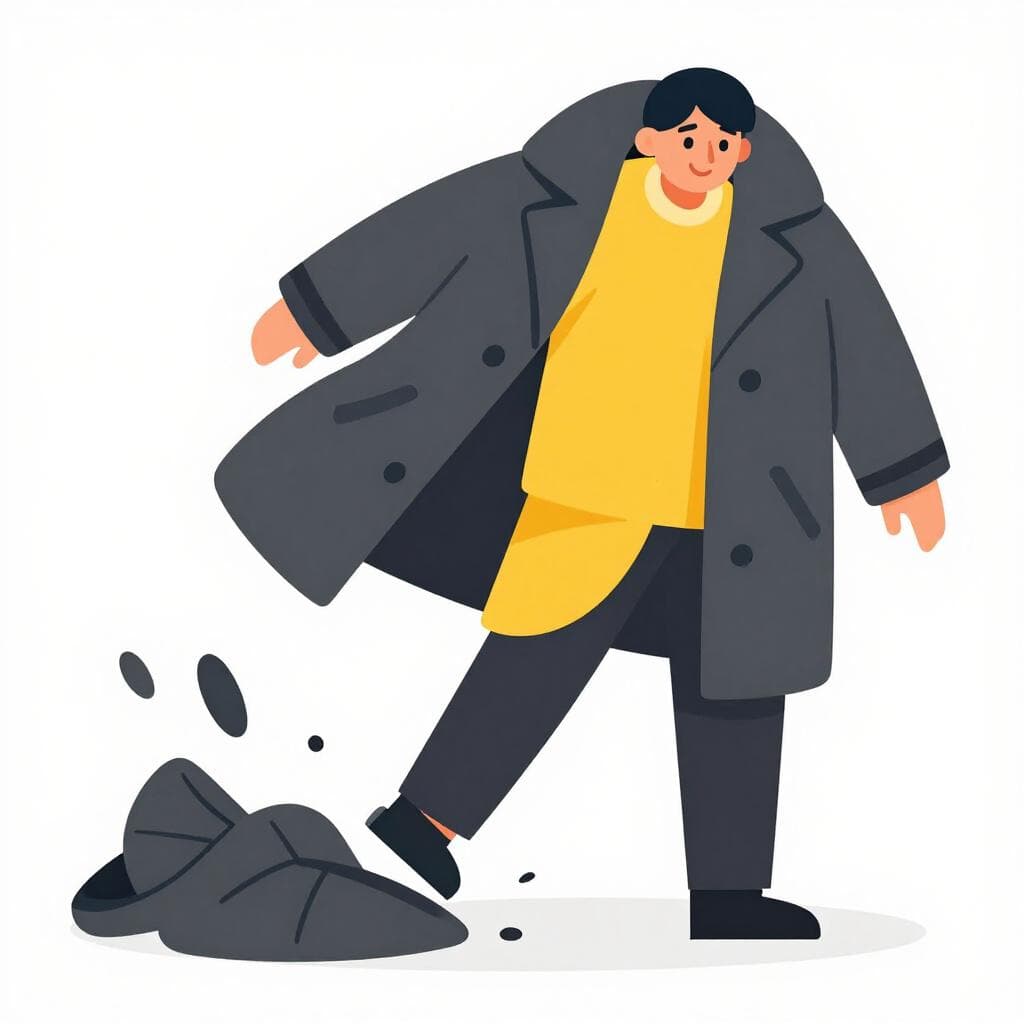
to shed
Also: to discard, to undress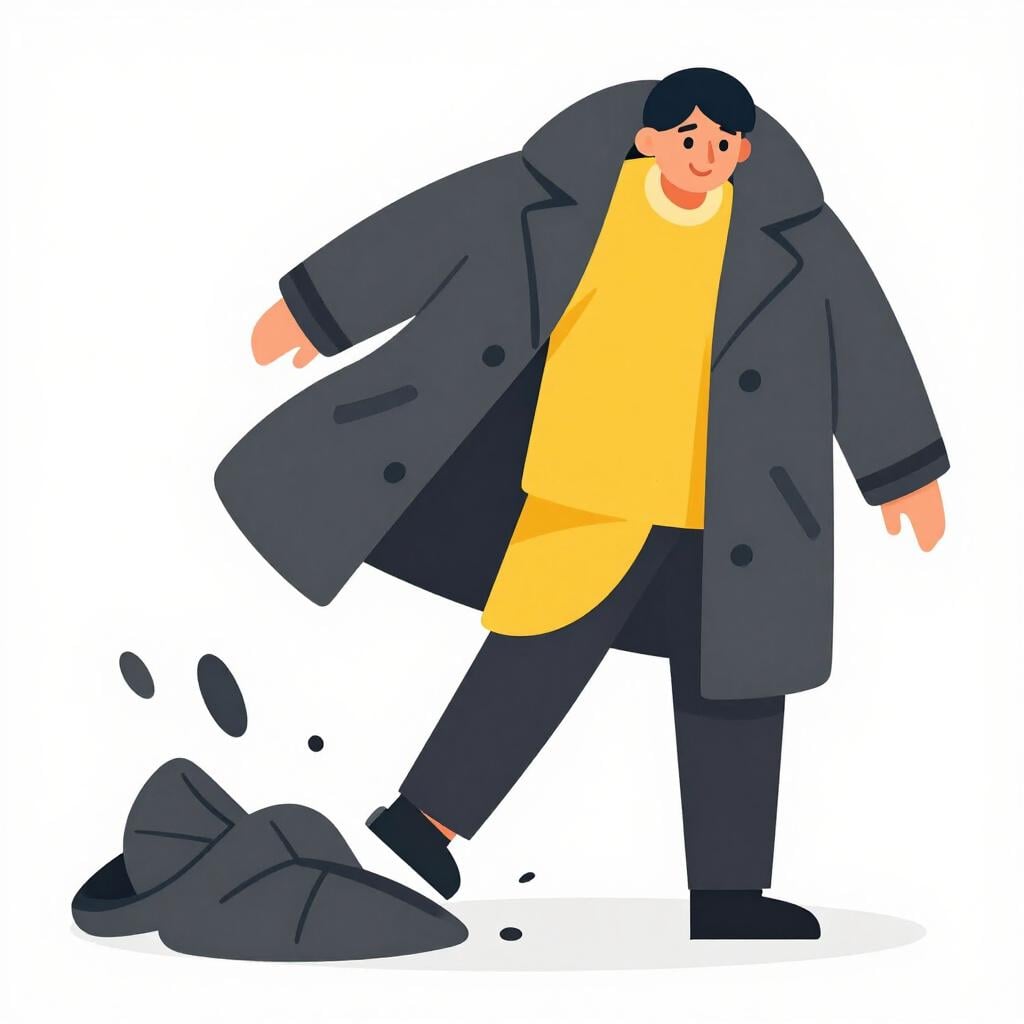
📝 In Action
Al llegar a casa, se despojó de su pesado abrigo.
B2Upon arriving home, he shed his heavy coat.
Debes despojarte de tus miedos si quieres tener éxito.
C1You must rid yourself of your fears if you want to succeed.
El árbol se despoja de sus hojas en otoño.
B1The tree sheds its leaves in autumn.
Subjunctive
Imperfect Subjunctive
Present Subjunctive
Indicative
Preterite
Imperfect
Present
Translate to Spanish
Words that translate to "despojar" in Spanish:
to deprive→to discard→to rob→to shed→to strip→to undress→✏️ Quick Practice
Quick Quiz: despojar
Question 1 of 3
Which word usually follows 'despojar' to indicate what was taken?
📚 More Resources
👥 Word Family▼
📚 Etymology▼
From the Latin word 'despoliare', which means 'to plunder' or 'to take away spoils of war'. It carries the idea of taking everything by force.
First recorded: 13th century
Cognates (Related words)
💡 Master Spanish
Take your Spanish to the next level. Read 200+ illustrated and narrated Spanish stories tailored to your level with the Inklingo app!
Frequently Asked Questions
What is the difference between 'robar' and 'despojar'?
'Robar' is the everyday word for stealing. 'Despojar' is more formal and often implies a total loss or a loss of rights, status, or dignity rather than just an object.
Can I use 'despojar' for taking off my shoes?
Technically yes, but it would sound very dramatic or formal, like a scene in a novel. Stick to 'quitarse' for daily clothes.
What does the noun 'los despojos' mean?
It refers to the 'remains' or 'spoils'—what is left over after something has been taken or destroyed, like the remains of a meal or the ruins of a building.