How to Say "to strip" in Spanish
The most common Spanish word for “to strip” is “desnudar” — use 'desnudar' when referring to the act of removing all clothing from a person or oneself.

Use 'desnudar' when referring to the act of removing all clothing from a person or oneself.
Learn more →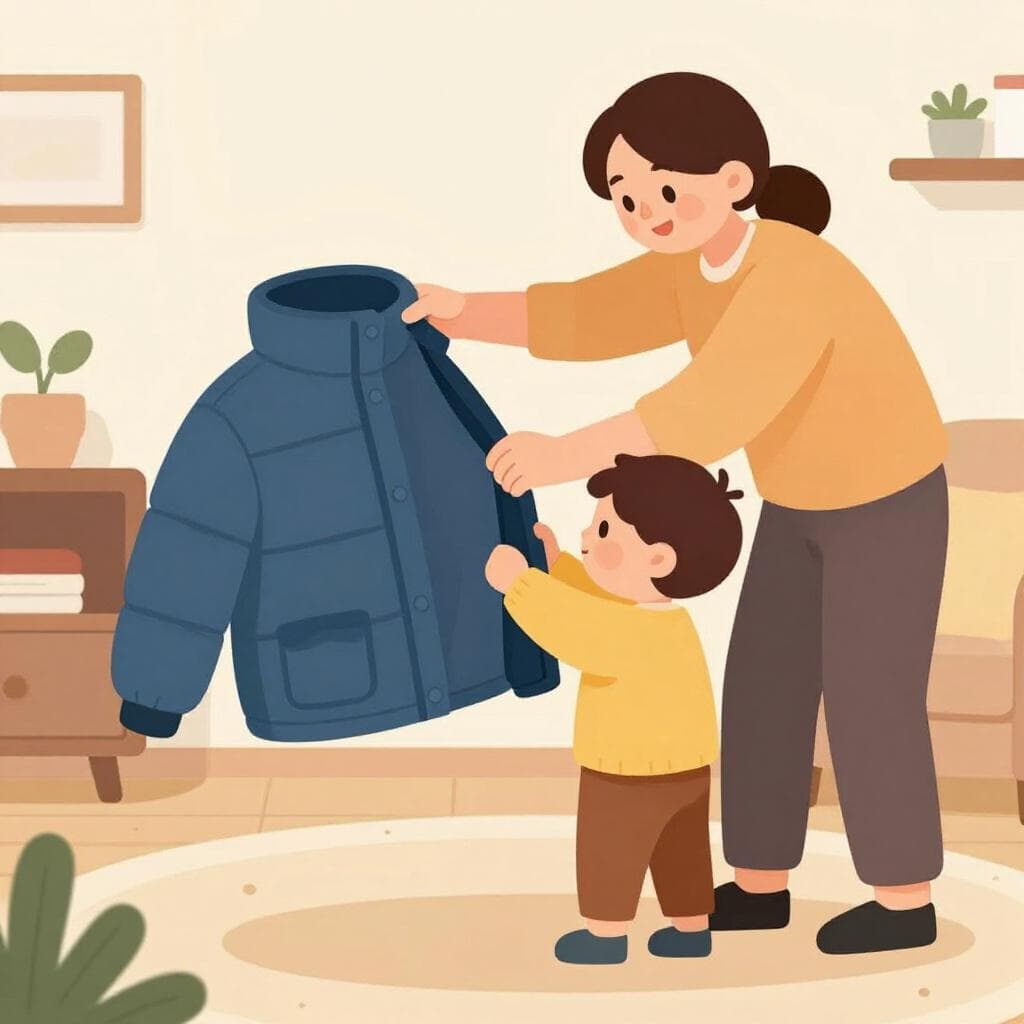
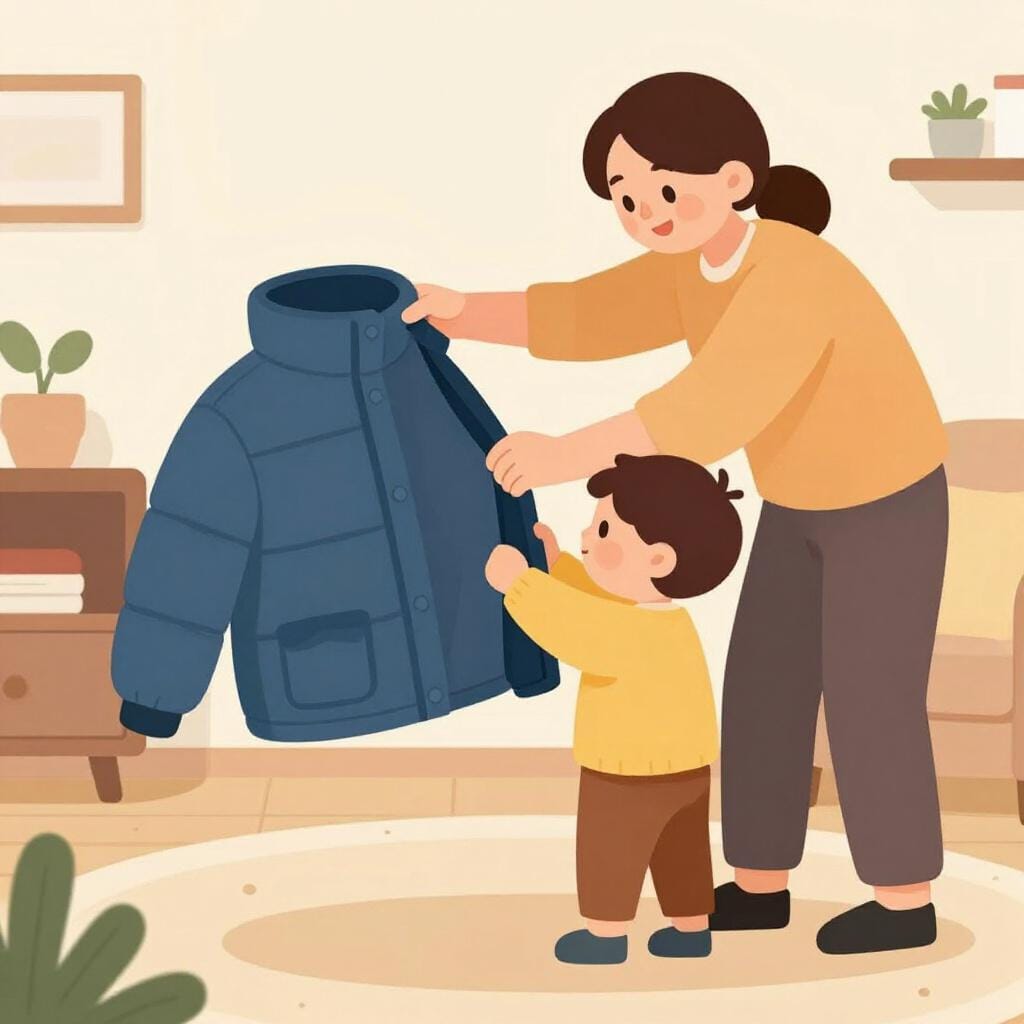
Use 'desvestir' primarily for taking coverings off inanimate objects like furniture, beds, or altars, though it can also refer to undressing a person, especially a child.
Learn more →
Use 'despojar' when someone is forcefully deprived of possessions, rights, or status.
Learn more →des-noo-dardesnuˈðar

Examples
El actor tuvo que desnudar para la escena.
The actor had to strip for the scene.
La madre desnuda al bebé para bañarlo.
The mother undresses the baby to bathe him.
El otoño desnuda los árboles de sus hojas.
Autumn strips the trees of their leaves.
Es difícil desnudar a un niño que no quiere estarse quieto.
It is difficult to undress a child who won't stay still.
Doing it to yourself vs others
Use 'desnudar' when you are taking clothes off someone else (like a baby). If you are taking your own clothes off, you must add 'se' to make it 'desnudarse'.
Forgetting the 'personal a'
Mistake: “Desnudo el bebé.”
Correction: Desnudo al bebé. Because the baby is a person receiving the action, you need the little word 'a' before them.
des-bes-TEERdesβesˈtiɾ
Examples
Es hora de desvestir la cama para poner sábanas limpias.
It's time to strip the bed to put on clean sheets.
La madre tiene que desvestir al bebé para el baño.
The mother has to undress the baby for the bath.
El enfermero ayudó a desvestir al paciente antes de la cirugía.
The nurse helped to undress the patient before the surgery.
Es tradicional desvestir los altares durante la Semana Santa.
It is traditional to strip the altars during Holy Week.
The 'E' to 'I' Swap
This is a stem-changing verb. In many present tense forms, the 'e' in the root changes to an 'i'. For example, instead of 'desvesto,' we say 'desvisto.'
Doing it to Yourself
To say 'I am undressing myself,' you add 'me' at the end or before: 'Me desvisto.' Without that extra word, it usually means you are undressing someone else.
Forgetting the Stem Change
Mistake: “Yo desvesto al niño.”
Correction: Yo desvisto al niño. Remember, the 'e' becomes 'i' when you are talking in the present tense (except for 'nosotros' and 'vosotros').
des-po-HARdespoˈxaɾ

Examples
Intentaron despojarlo de su herencia.
They tried to strip him of his inheritance.
El dictador decidió despojar al pueblo de sus derechos básicos.
The dictator decided to strip the people of their basic rights.
Fue despojado de todas sus pertenencias durante el asalto.
He was stripped of all his belongings during the robbery.
La ley no puede despojar a un ciudadano de su nacionalidad.
The law cannot deprive a citizen of their nationality.
Using the word 'de'
In Spanish, when you want to say WHAT was taken away, you must follow this verb with the word 'de'. For example, 'lo despojaron DE su reloj' (they stripped him OF his watch).
Focus on the Person
This verb focuses on the person who loses something. The person receiving the action is the main focus, while the object taken is introduced by 'de'.
Forgetting the 'de'
Mistake: “Despojar su dinero.”
Correction: Despojarlo DE su dinero. You need the 'de' to link the action to the item being taken.
Clothing vs. Objects
The most common confusion is between 'desnudar' and 'desvestir'. Remember that 'desnudar' is almost exclusively for people removing clothes, while 'desvestir' is more common for removing coverings from objects, though it can also apply to people, especially children.
Related Translations
Learn Spanish with Inklingo
Interactive stories, personalized learning, and more.