How to Say "to undress" in Spanish
The most common Spanish word for “to undress” is “desvestir” — use this verb when you are referring to the act of taking off clothes from someone else, typically a child or a patient, often in a domestic or caregiving context.
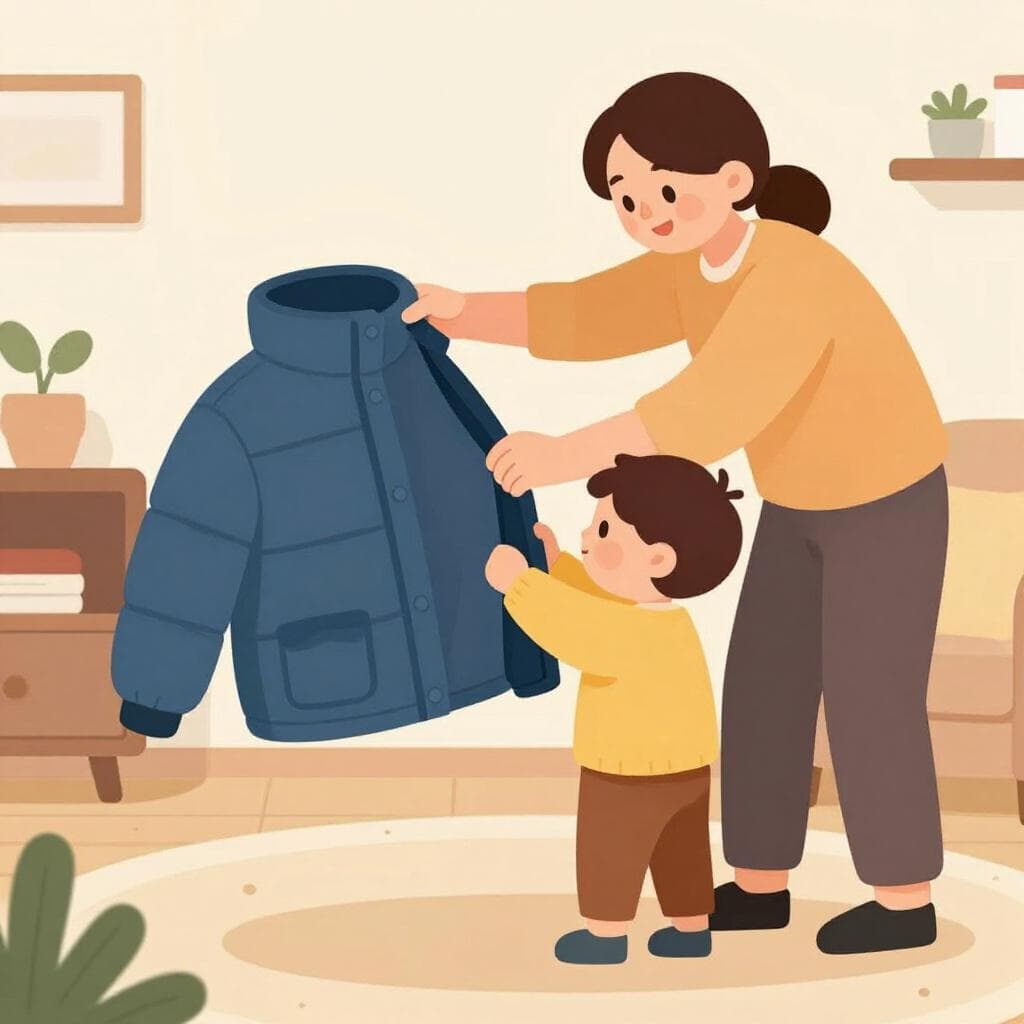
Use this verb when you are referring to the act of taking off clothes from someone else, typically a child or a patient, often in a domestic or caregiving context.
Learn more →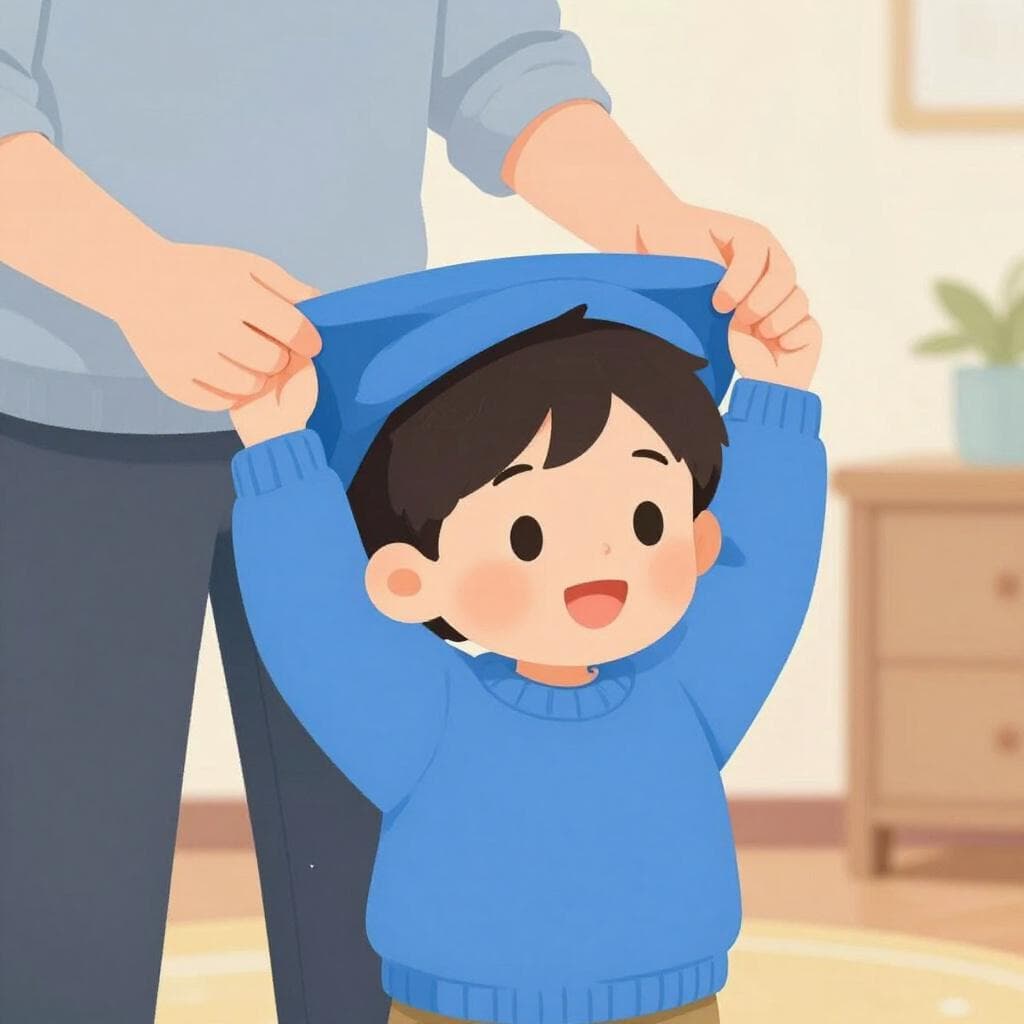
This verb is generally used when someone is removing clothing from another person, and it can also refer to the act of becoming naked or stripping oneself bare.
Learn more →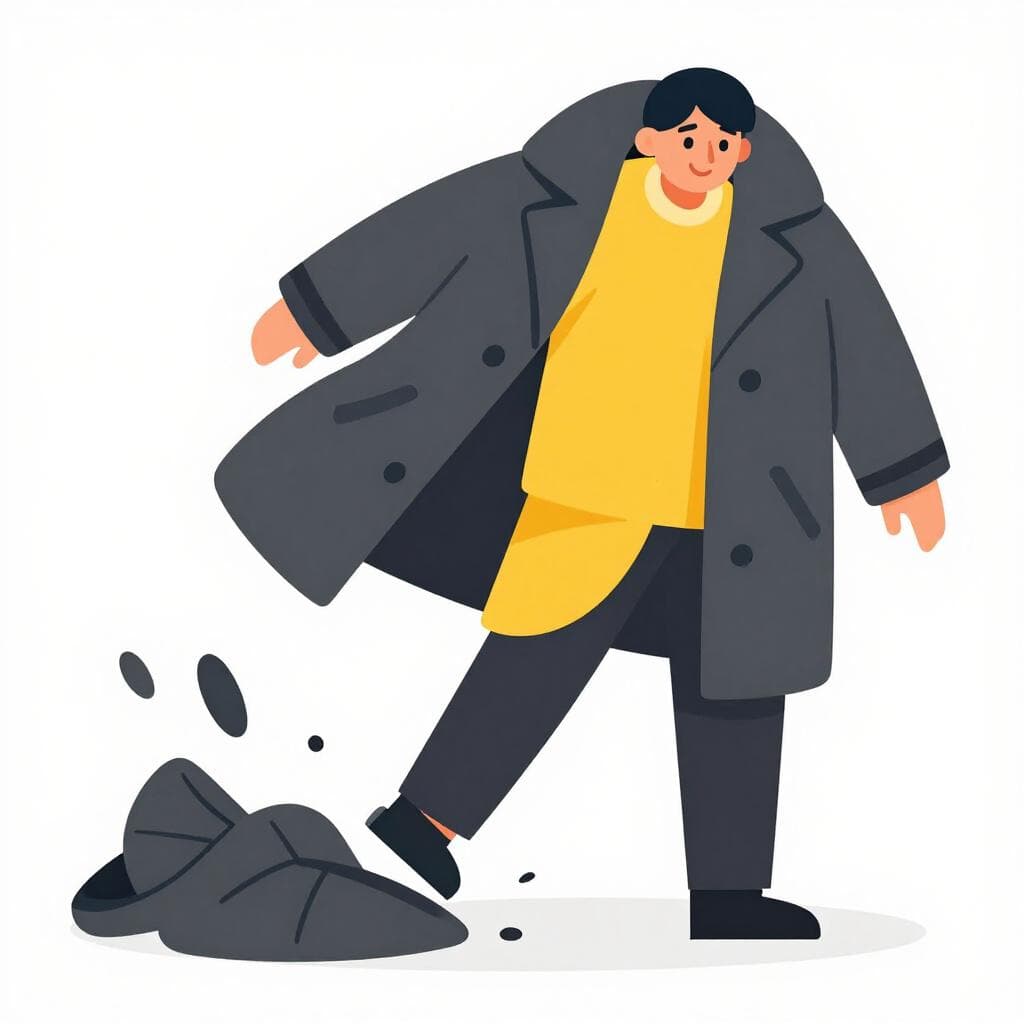
Use this very formal verb when someone is taking off their own clothing, especially in a literary or dramatic context, or when removing an outer layer like a coat.
Learn more →des-bes-TEERdesβesˈtiɾ
Examples
La madre tiene que desvestir al bebé para el baño.
The mother has to undress the baby for the bath.
El enfermero ayudó a desvestir al paciente antes de la cirugía.
The nurse helped to undress the patient before the surgery.
Es tradicional desvestir los altares durante la Semana Santa.
It is traditional to strip the altars during Holy Week.
The 'E' to 'I' Swap
This is a stem-changing verb. In many present tense forms, the 'e' in the root changes to an 'i'. For example, instead of 'desvesto,' we say 'desvisto.'
Doing it to Yourself
To say 'I am undressing myself,' you add 'me' at the end or before: 'Me desvisto.' Without that extra word, it usually means you are undressing someone else.
Forgetting the Stem Change
Mistake: “Yo desvesto al niño.”
Correction: Yo desvisto al niño. Remember, the 'e' becomes 'i' when you are talking in the present tense (except for 'nosotros' and 'vosotros').
des-noo-dardesnuˈðar

Examples
La madre desnuda al bebé para bañarlo.
The mother undresses the baby to bathe him.
El otoño desnuda los árboles de sus hojas.
Autumn strips the trees of their leaves.
Es difícil desnudar a un niño que no quiere estarse quieto.
It is difficult to undress a child who won't stay still.
Doing it to yourself vs others
Use 'desnudar' when you are taking clothes off someone else (like a baby). If you are taking your own clothes off, you must add 'se' to make it 'desnudarse'.
Forgetting the 'personal a'
Mistake: “Desnudo el bebé.”
Correction: Desnudo al bebé. Because the baby is a person receiving the action, you need the little word 'a' before them.
des-po-HARdespoˈxaɾ

Examples
Al llegar a casa, se despojó de su pesado abrigo.
Upon arriving home, he shed his heavy coat.
Debes despojarte de tus miedos si quieres tener éxito.
You must rid yourself of your fears if you want to succeed.
El árbol se despoja de sus hojas en otoño.
The tree sheds its leaves in autumn.
The Reflexive 'se'
When you are shedding something of your own (like your clothes or your own fear), you add 'se' to the end of the verb (despojarse) to show the action is being done to yourself.
Using it for everyday undressing
Mistake: “Me despojo los zapatos.”
Correction: Me quito los zapatos. 'Despojarse' is very dramatic; for daily tasks, use 'quitarse'.
Confusing 'desvestir' and 'desnudar'
Learners often confuse 'desvestir' and 'desnudar'. Remember that 'desvestir' is almost exclusively used for undressing someone else, like a child. 'Desnudar' can also be used for undressing someone else, but it carries a broader meaning and can also imply becoming naked oneself.
Related Translations
Learn Spanish with Inklingo
Interactive stories, personalized learning, and more.