How to Say "drop" in Spanish
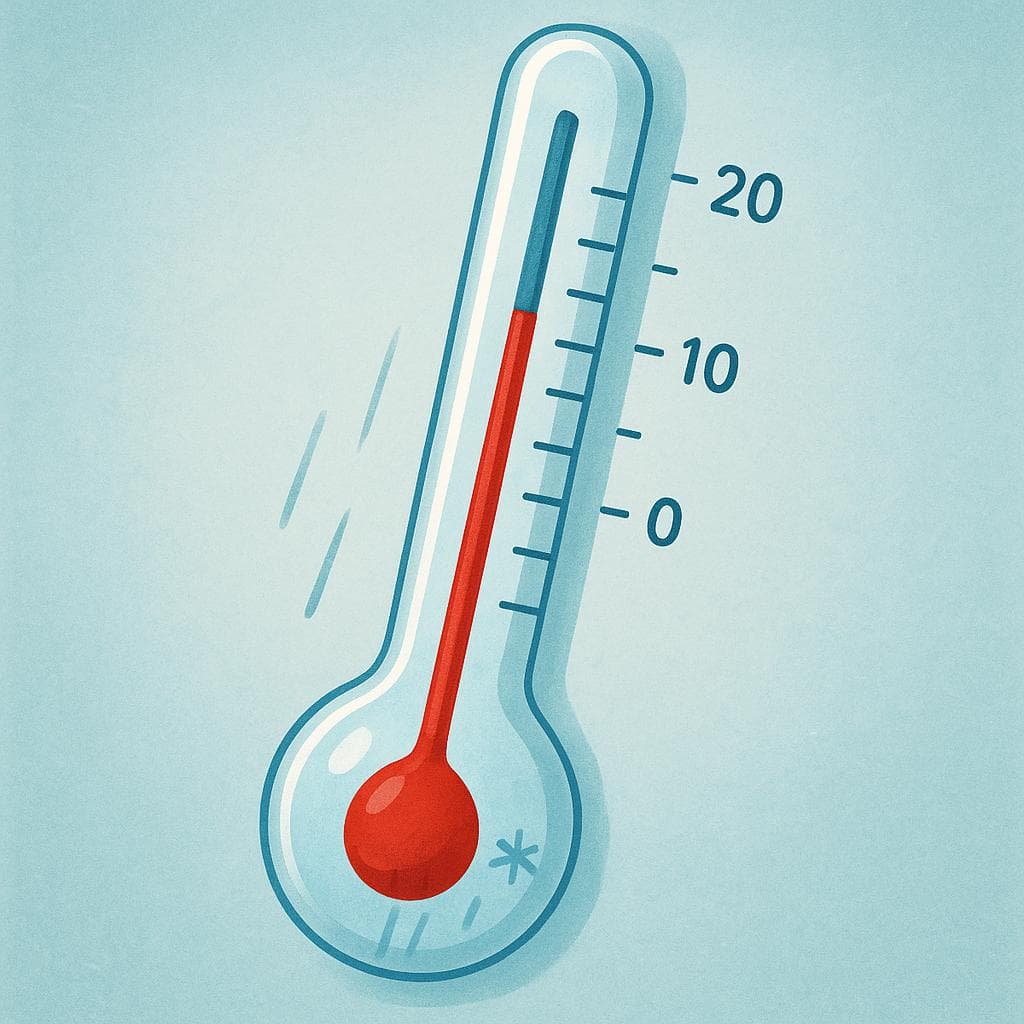
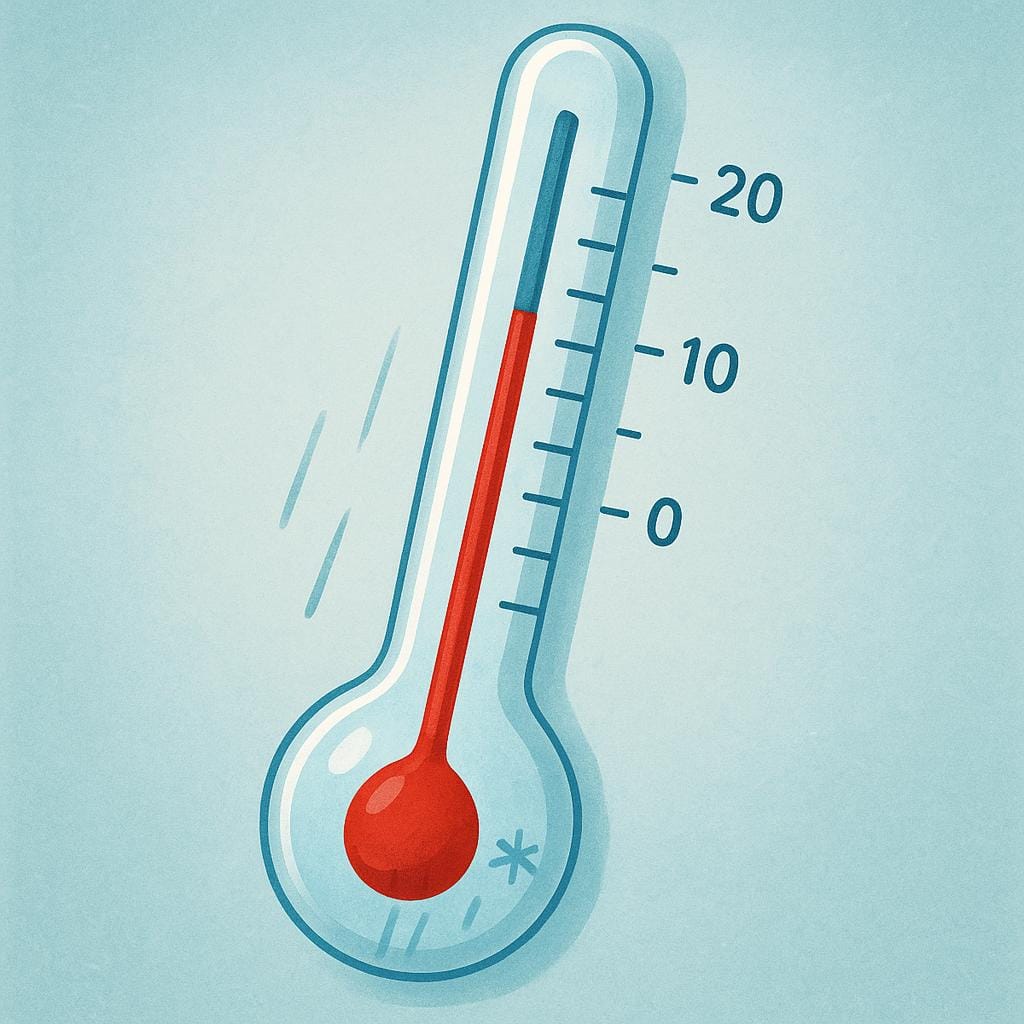
The most common Spanish word for “drop” is “baja” — use 'baja' when referring to a sudden decrease or fall in numbers, such as temperatures or prices.



baja
BA-haˈbaxa
Examples
Hubo una baja repentina de las temperaturas.
There was a sudden drop in temperatures.
La empresa anunció una baja en los precios.
The company announced a decrease in prices.
El equipo sufrió una baja importante en su rendimiento.
The team suffered a significant drop in its performance.
bajada
ba-HA-dahbaˈxaða

Examples
Se espera una bajada de las temperaturas para este fin de semana.
A drop in temperatures is expected for this weekend.
La tienda anunció una gran bajada de precios.
The store announced a big price reduction.
Hubo una bajada en el número de turistas este año.
There was a fall in the number of tourists this year.
Abstract Decreases
Spanish uses 'bajada' for almost any numerical or abstract decrease, just like 'drop' or 'fall' in English.
Plural vs Singular
You can use 'bajada' in singular for a general trend, or 'bajadas' in plural for multiple specific instances of dropping.
Avoid 'caída' for small changes
Mistake: “Hubo una caída de un uno por ciento.”
Correction: Hubo una bajada de un uno por ciento.
caída
Examples
La caída de la bolsa fue una sorpresa para todos los inversores.
The drop in the stock market was a surprise for all investors.
descenso
des-SEN-sodesˈsenso

Examples
El descenso de la montaña duró tres horas.
The descent from the mountain lasted three hours.
Hubo un descenso en las temperaturas esta noche.
There was a drop in temperatures tonight.
Los economistas predicen un descenso de los precios.
Economists predict a decrease in prices.
A Masculine 'O' Noun
This word follows the standard rule: it ends in 'o' and is masculine, so always use 'el' or 'un' with it.
Using 'de' for what is dropping
When you want to say what is going down (like prices or water), just put 'de' after descenso. For example: 'descenso de agua'.
Descenso vs. Bajada
Mistake: “Using 'descenso' for a simple flight of stairs.”
Correction: Use 'bajada' for everyday things like stairs or hills. Use 'descenso' for technical things, sports, or long mountain treks.
gota
GOH-tahˈɡo.ta

Examples
Necesito solo una gota de miel para mi té.
I only need one drop of honey for my tea.
Cayó una gota de lluvia sobre mi cabeza.
A raindrop fell on my head.
Por favor, dame las gotas para los ojos.
Please give me the eye drops.
Always Feminine
Remember that 'gota' is always a feminine noun, so you use 'la gota' or 'una gota'.
lágrima
Examples
Vio una lágrima de vino en el borde de la copa.
He saw a drop of wine on the rim of the glass.
Examples
Quiero que usted tire la pelota lejos.
I want you (formal) to throw the ball far away.
Confusing Decreases vs. Literal Drops
Learn Spanish with Inklingo
Interactive stories, personalized learning, and more.