How to Say "scrap" in Spanish
The most common Spanish word for “scrap” is “desecho” — use 'desecho' for industrial or general waste materials that are discarded, like metal scraps or leftover building materials.


desecho
deh-SEH-chohdeˈsetʃo
Examples
La fábrica reutiliza todo el desecho de metal.
The factory reuses all the metal scrap.
No tires desechos al suelo.
Don't throw waste on the ground.
Muchos desechos plásticos terminan en el mar.
Many plastic wastes end up in the sea.
La fábrica produce muchos desechos químicos.
The factory produces a lot of chemical waste.
Usually Plural
While you can say 'un desecho', it is much more common to use the plural form 'desechos' when referring to trash or waste in general.
A Step Above 'Basura'
While 'basura' is used for everyday kitchen trash, 'desecho' is often used for specific types of waste, like industrial, medical, or chemical byproducts.
The 'H' Trap
Mistake: “Using 'deshecho' to mean waste.”
Correction: Use 'desecho' (no H) for waste. 'Deshecho' (with an H) means 'undone' or 'melted' and comes from a different word entirely!
residuo
rre-SEE-dwohreˈsiðwo

Examples
Hay que separar cada residuo orgánico.
Each organic waste must be separated.
Es importante separar cada residuo en el contenedor correcto.
It is important to separate each waste item into the correct bin.
La fábrica produce muchos residuos tóxicos.
The factory produces a lot of toxic waste.
Quedó un pequeño residuo blanco en el fondo del vaso.
A small white residue remained at the bottom of the glass.
Always Masculine
Even though it ends in 'o', remember it is a masculine noun. Always use 'el residuo' or 'los residuos'.
Plural for General Use
When talking about trash or pollution in general, Spanish speakers almost always use the plural form: 'los residuos'.
Residuo vs. Basura
Mistake: “Using 'basura' for industrial or chemical waste.”
Correction: Use 'residuo' for technical, industrial, or recyclable materials. 'Basura' is more for everyday kitchen trash.
fragmento
frahg-MEHN-tohfɾaɣˈmento
Examples
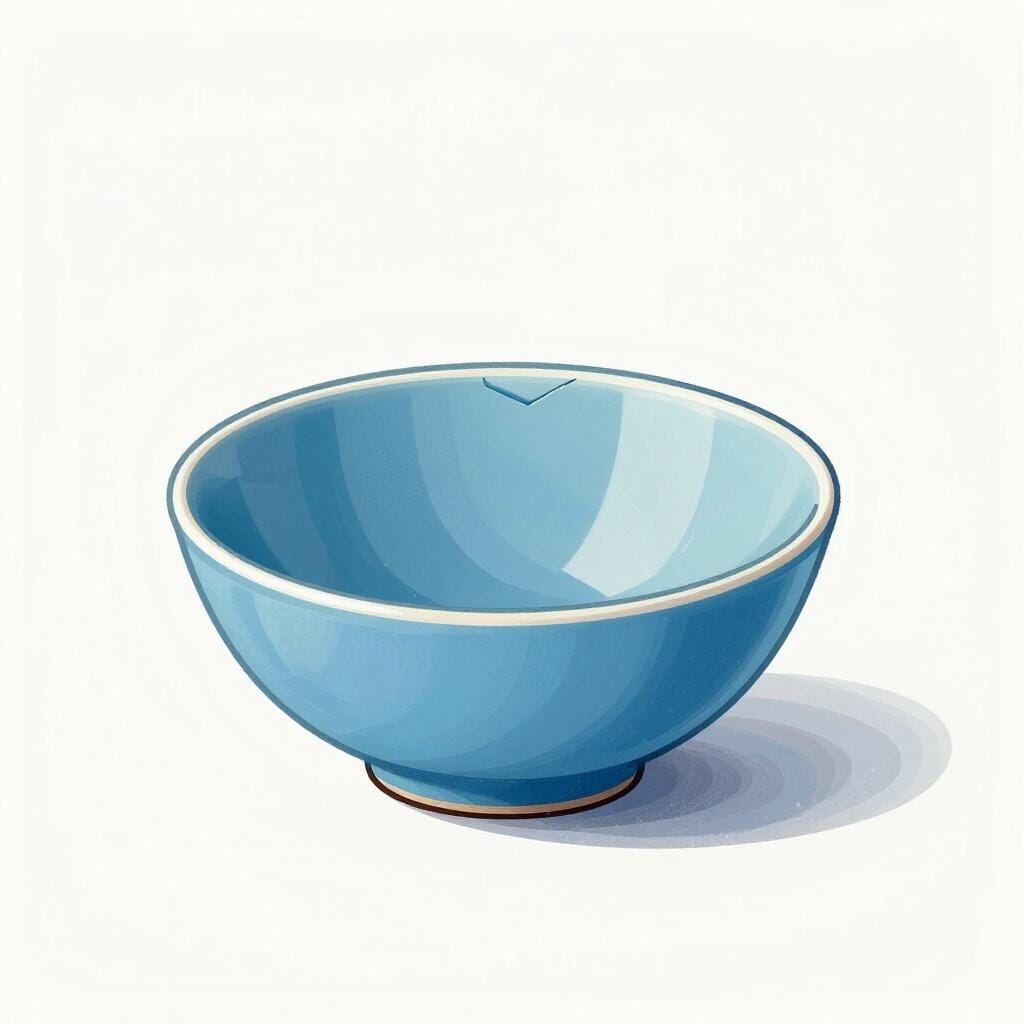
Encontré un fragmento de cerámica antigua.
I found a fragment of ancient pottery.
Había fragmentos de vidrio por todo el suelo.
There were shards of glass all over the floor.
Los arqueólogos encontraron un fragmento de cerámica antigua.
The archaeologists found a piece of ancient pottery.
Solo recuperaron un pequeño fragmento del avión.
They only recovered a small fragment of the plane.
Always Masculine
Even if the object it comes from is feminine (like 'una botella'), the word 'fragmento' itself is always masculine.
Connecting with 'De'
To say what the piece is made of, use 'fragmento de' followed by the material or object.
Using 'fragmento' for food
Mistake: “Un fragmento de pastel.”
Correction: Un trozo de pastel. Use 'trozo' or 'pedazo' for food portions; 'fragmento' sounds like the cake exploded into tiny bits!
recorte
rreh-KOHR-tehreˈkoɾte
Examples
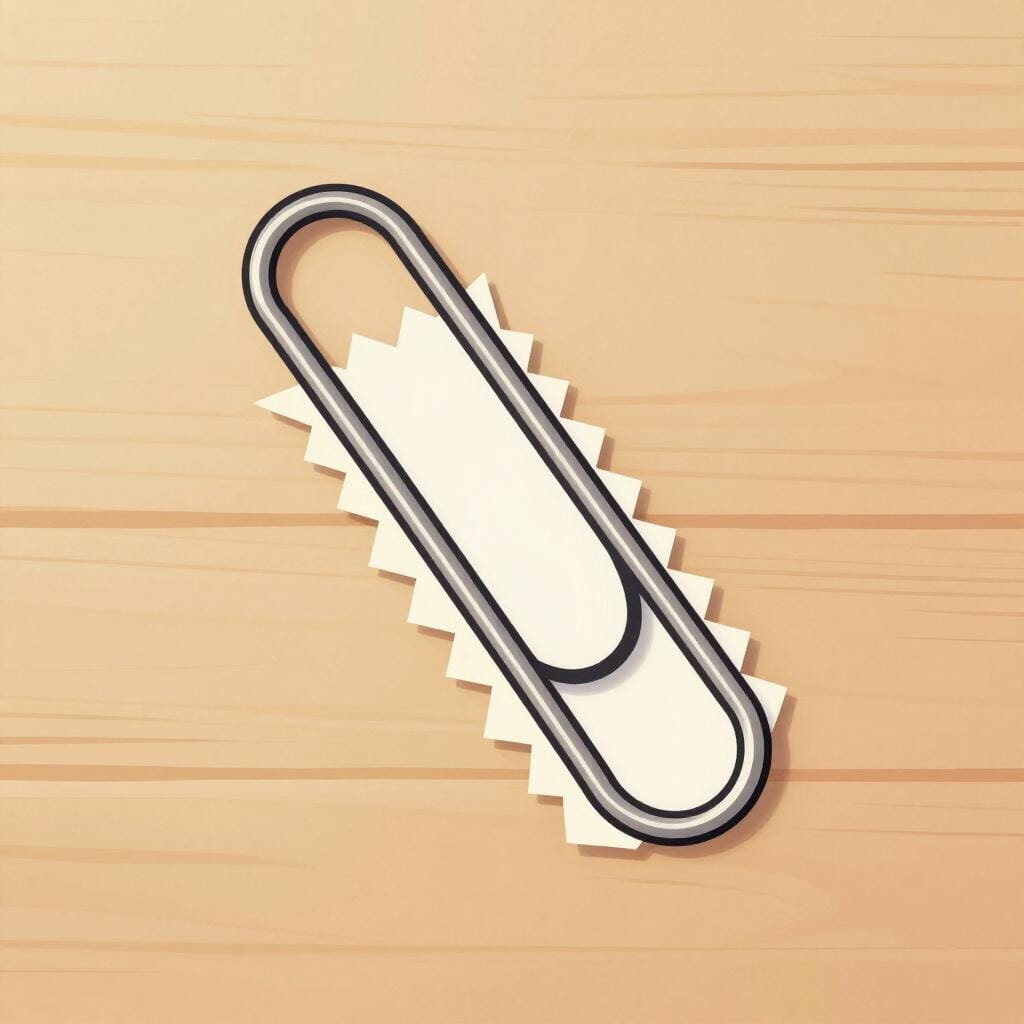
Guarda ese recorte de revista para más tarde.
Save that magazine clipping for later.
Tengo un recorte de periódico sobre esa noticia.
I have a newspaper clipping about that news story.
Los niños están haciendo recortes de papel para la clase.
The children are making paper cutouts for the class.
Guarda los recortes de tela para hacer una colcha.
Save the fabric scraps to make a quilt.
Recorte vs. Corte
Use 'recorte' for a piece you intentionally removed from a larger whole (like a photo from a magazine). Use 'corte' for a generic cut or a wound.
Confusing clippings with full papers
Mistake: “Leí el recorte de periódico entero.”
Correction: Leí el periódico entero.
pedacito
peh-dah-SEE-tohpeðaˈsito
Examples
Solo quiero un pedacito de pastel.
I only want a small piece of cake.
¿Me das un pedacito de chocolate?
Can you give me a small piece of chocolate?
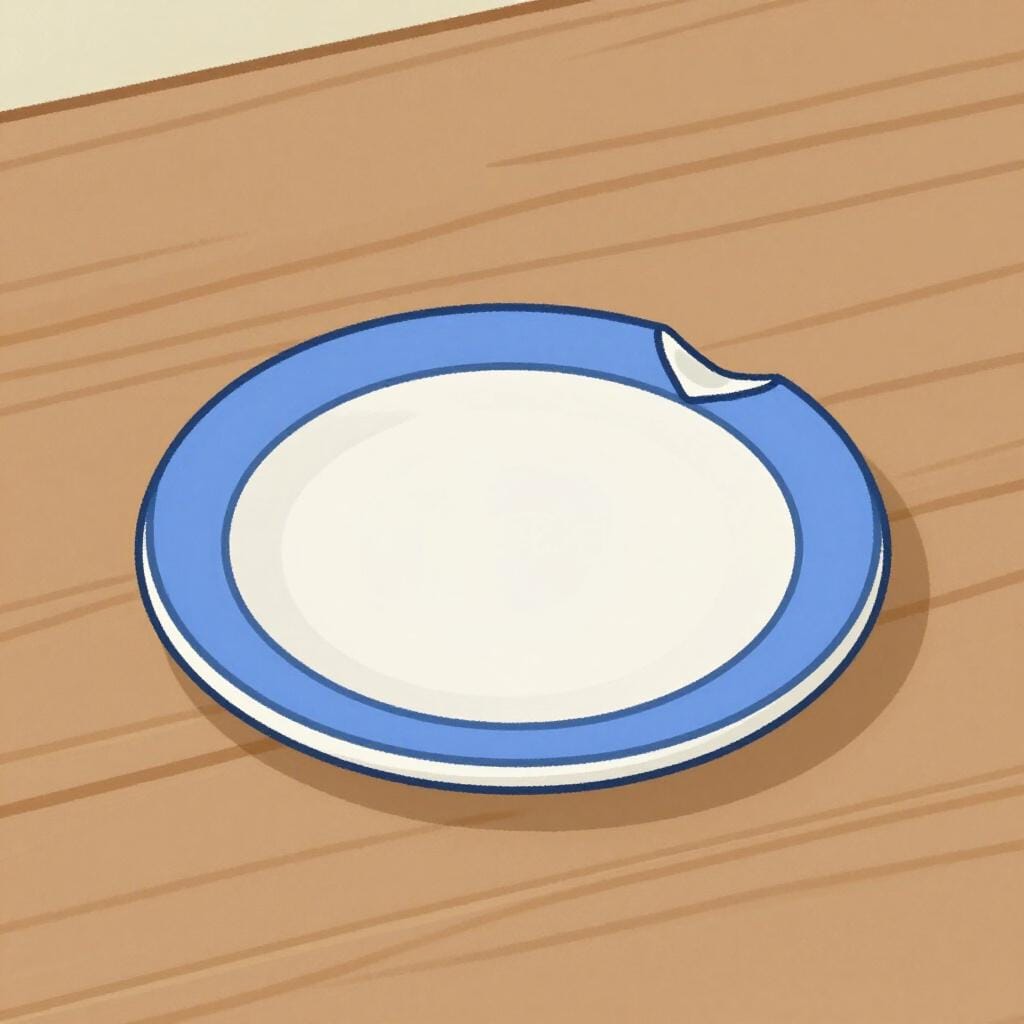
Solo necesito un pedacito de papel para escribir el número.
I only need a little scrap of paper to write the number.
Ella guarda cada pedacito de recuerdo de su viaje.
She keeps every little bit of memory from her trip.
The 'Smallness' Ending
This word comes from 'pedazo' (piece). By adding '-ito' to the end, Spanish speakers make the word sound smaller, cuter, or more polite.
Spelling Change
Notice that the 'z' in 'pedazo' changes to a 'c' in 'pedacito'. In Spanish, 'z' usually turns into 'c' before the letter 'i' to keep the same soft sound.
Using it for liquids
Mistake: “Un pedacito de agua.”
Correction: Un poquito de agua.
General Waste vs. Specific Pieces
Learn Spanish with Inklingo
Interactive stories, personalized learning, and more.