esplendor
“esplendor” means “splendor” in Spanish (general grandeur or beauty).
splendor, glory
Also: brilliance, peak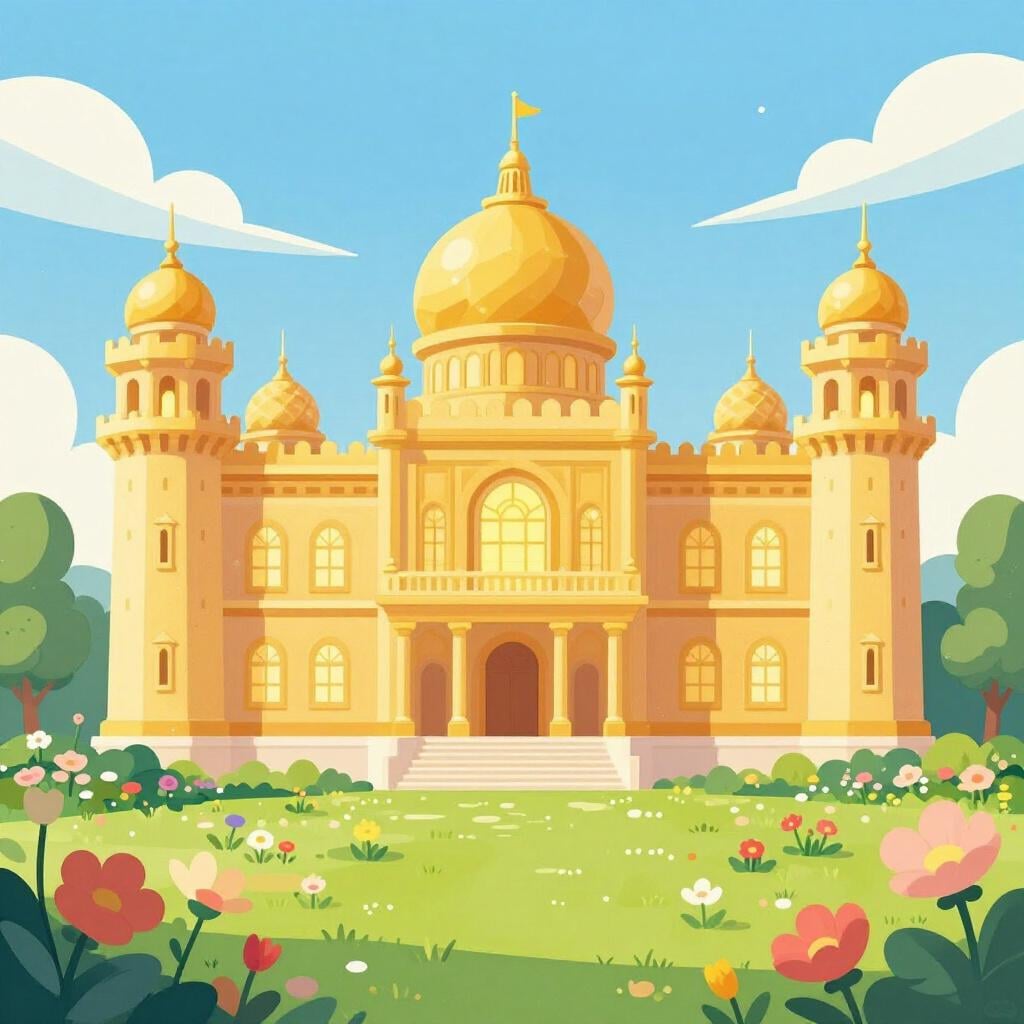
📝 In Action
El sol brillaba en todo su esplendor sobre el mar.
A2The sun was shining in all its glory over the sea.
El museo muestra el esplendor de la antigua civilización maya.
B1The museum shows the splendor of the ancient Mayan civilization.
La ciudad alcanzó su máximo esplendor durante el siglo dieciocho.
B2The city reached its maximum peak during the eighteenth century.
Translate to Spanish
✏️ Quick Practice
Quick Quiz: esplendor
Question 1 of 3
Which of these is the most common way to say 'at its best' or 'in its full glory'?
📚 More Resources
👥 Word Family▼
📚 Etymology▼
From the Latin word 'splendor,' which comes from 'splendere' (to shine). It is a direct relative of the English word 'splendor.'
First recorded: 13th century
Cognates (Related words)
💡 Master Spanish
Take your Spanish to the next level. Read 200+ illustrated and narrated Spanish stories tailored to your level with the Inklingo app!
Frequently Asked Questions
Is 'esplendor' used in daily conversation?
It's a bit formal. In daily life, you might use 'brillo' for light or 'éxito' for success, but 'esplendor' is very common when talking about scenery, history, or art.
Can I use 'esplendor' to describe a person?
Not usually to describe their personality, but you can say someone is 'en su esplendor' if they are at the most successful or beautiful point in their life.
What is the difference between 'brillo' and 'esplendor'?
'Brillo' usually refers just to physical light or shine. 'Esplendor' includes the idea of being grand, impressive, and magnificent.