estación
“estación” means “season” in Spanish. It has 3 different meanings depending on context:

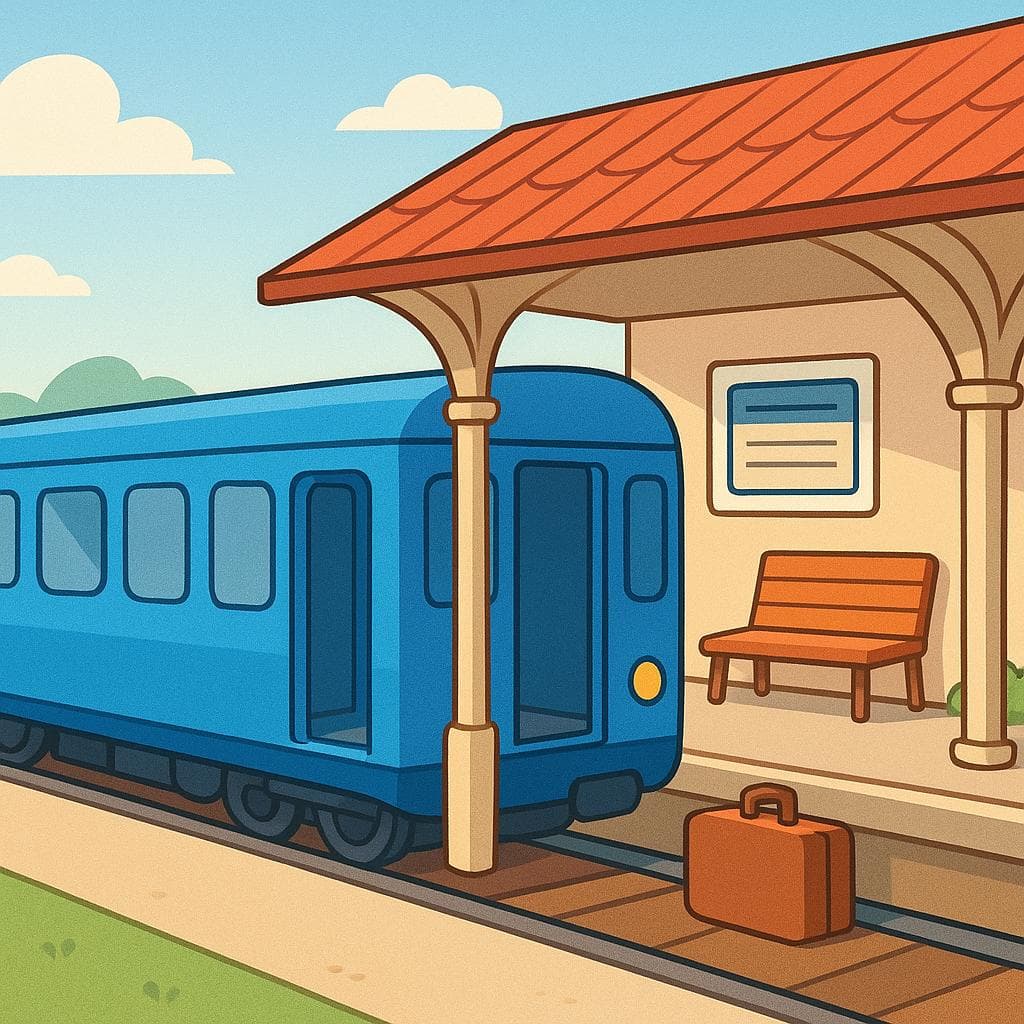

season

📝 In Action
Mi estación favorita es la primavera.
A1My favorite season is spring.
En invierno hace mucho frío aquí.
A1In winter it's very cold here.
Compramos ropa para la nueva estación.
A2We are buying clothes for the new season.
Word Connections
station
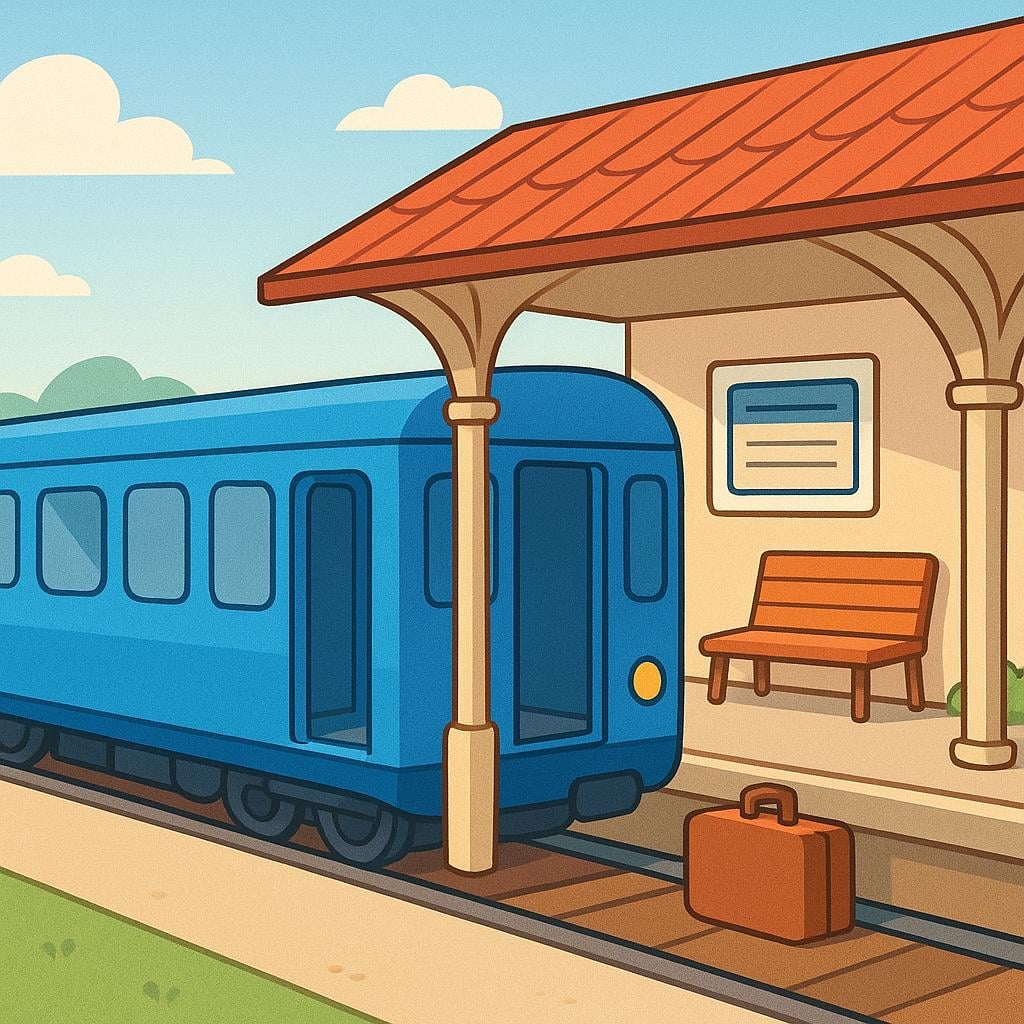
📝 In Action
¿Dónde está la estación de tren?
A1Where is the train station?
El autobús para Madrid sale de la estación del Norte.
A2The bus to Madrid leaves from the North station.
Nos vemos en la entrada de la estación de metro.
A2I'll see you at the entrance of the metro station.
Word Connections
stationAlso: resort, center

📝 In Action
Esa es mi estación de radio favorita.
B1That is my favorite radio station.
La estación espacial internacional orbita la Tierra.
B2The international space station orbits the Earth.
Vamos a la estación de esquí en los Pirineos.
B1We are going to the ski resort in the Pyrenees.
Necesito encontrar una estación de servicio para poner gasolina.
A2I need to find a service station to get gas.
Word Connections
Translate to Spanish
Words that translate to "estación" in Spanish:
✏️ Quick Practice
Quick Quiz: estación
Question 1 of 2
Which sentence uses 'estación' to talk about a time of year?
📚 More Resources
👥 Word Family
🎵 Rhymes
📚 Etymology
Comes from the Latin word 'statiō', which meant 'a standing still, a post, or a position'. Think of a place where you 'stand' or stop. A train station is a stop on a journey, and a season is a 'stop' or a fixed period in the year's cycle. They all share this original idea of a fixed point or place.
First recorded: 13th century
Cognates (Related words)
💡 Master Spanish
Take your Spanish to the next level. Read 200+ illustrated and narrated Spanish stories tailored to your level with the Inklingo app!
Frequently Asked Questions
How can 'estación' mean both 'season' and 'station'? They seem so different!
It's because they both come from the same Latin word, 'statiō', which means 'a place where you stand or stop'. A train station is a stop on a trip. A season is like a 'stop' in the year's journey. So, the idea of a fixed point in time or space connects them.
Is 'estación' always feminine?
Yes, always! No matter which meaning you're using, it's always 'la estación' or 'una estación'. For example, 'la estación de tren' (the train station) and 'la próxima estación es el verano' (the next season is summer).