estacionar
“estacionar” means “to park” in Spanish. It has 2 different meanings depending on context:
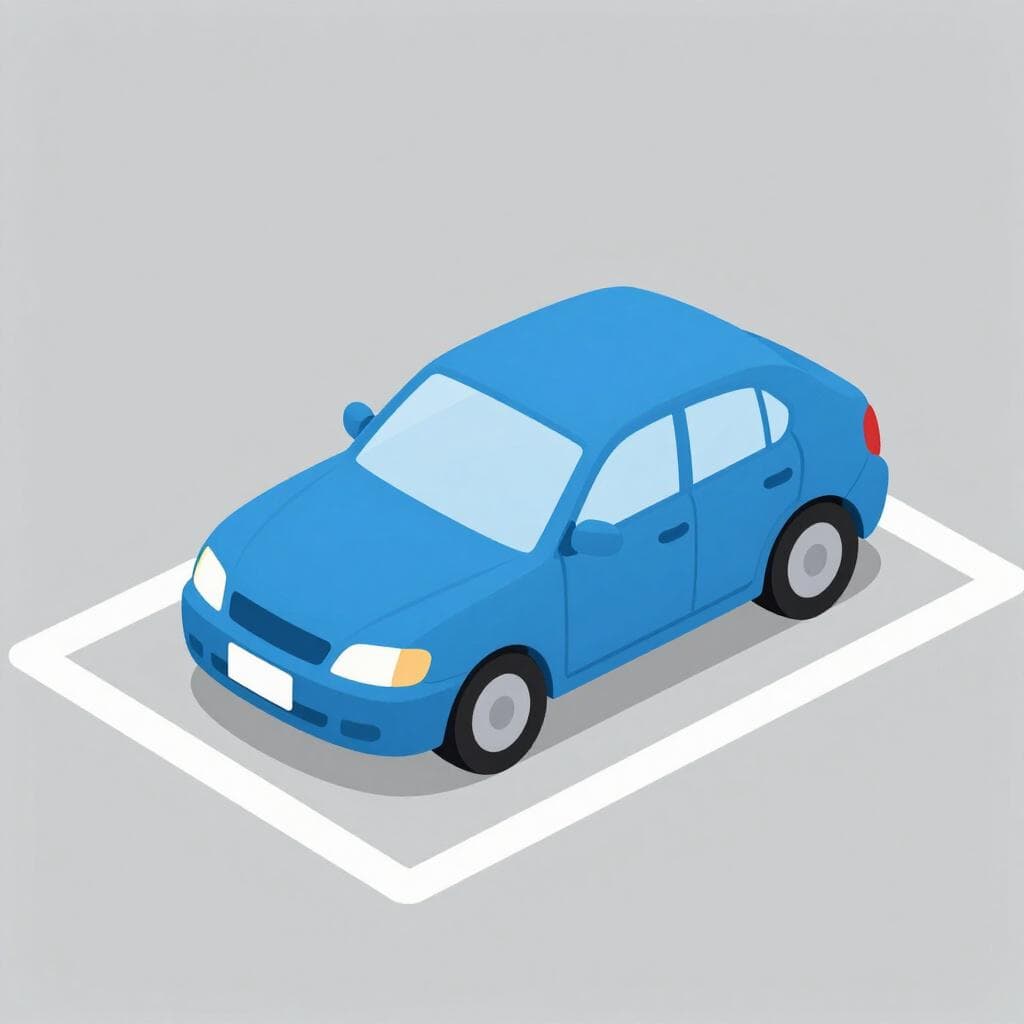

to park
Also: to pull over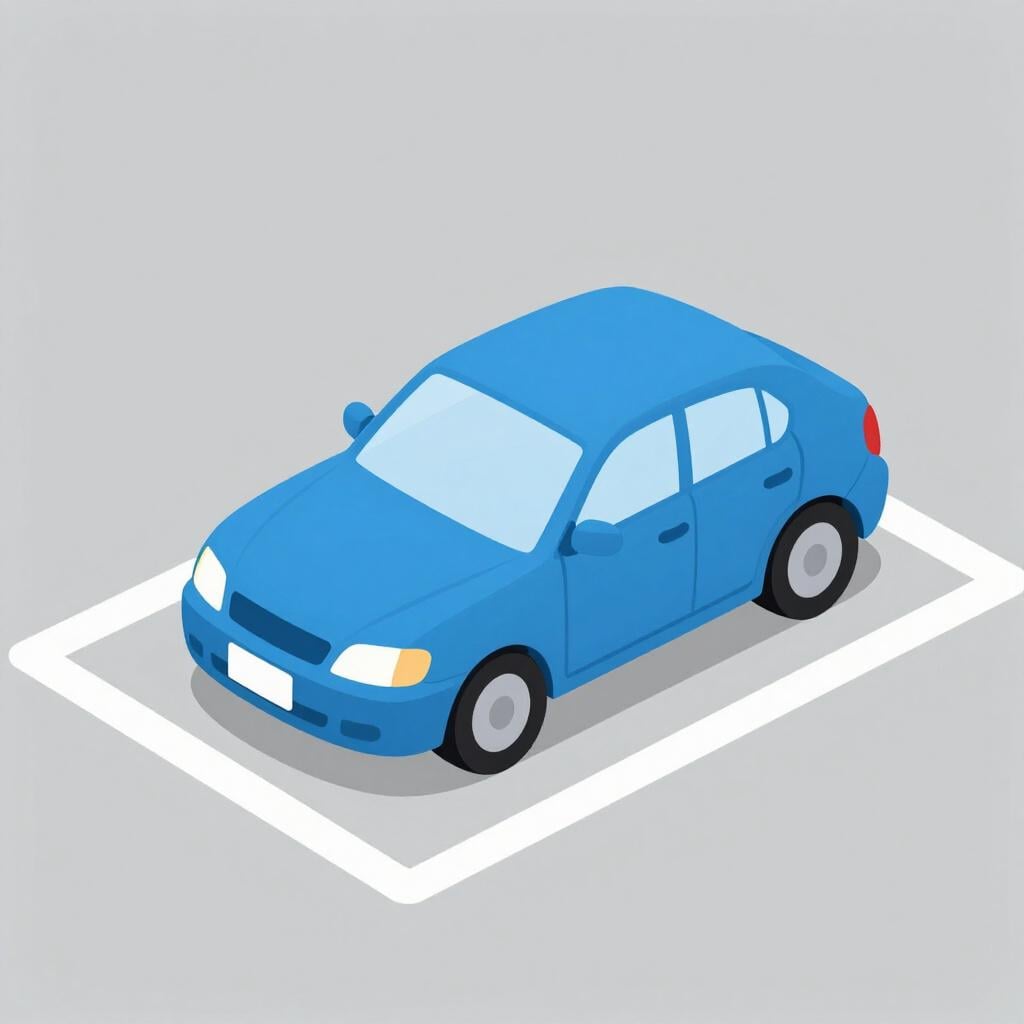
📝 In Action
No puedes estacionar el coche aquí porque es una zona prohibida.
A1You cannot park the car here because it is a prohibited zone.
Estacionamos frente al restaurante para no caminar mucho.
A2We parked in front of the restaurant so we wouldn't walk much.
Si buscas un lugar para estacionar, hay un garaje a la vuelta.
B1If you are looking for a place to park, there is a garage around the corner.
to station
Also: to settle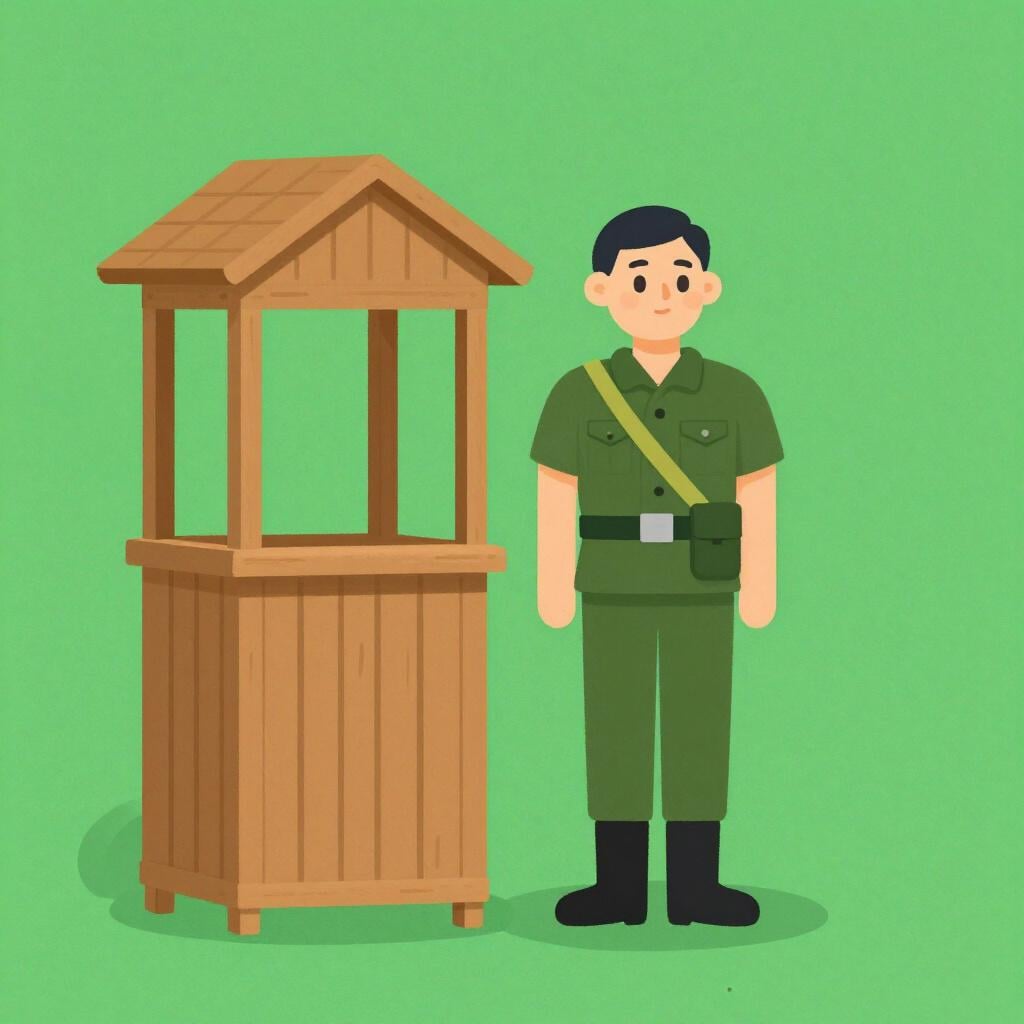
📝 In Action
Decidieron estacionar a las tropas en la frontera.
B2They decided to station the troops at the border.
La lluvia se estacionó sobre la ciudad por tres días.
C1The rain settled over the city for three days.
Subjunctive
Imperfect Subjunctive
Present Subjunctive
Indicative
Preterite
Imperfect
Present
Translate to Spanish
✏️ Quick Practice
Quick Quiz: estacionar
Question 1 of 3
If you are in Mexico and want to park your car, which word should you use?
📚 More Resources
👥 Word Family▼
📚 Etymology▼
From the Spanish noun 'estación' (station), which comes from the Latin 'statio', meaning a standing still or a position.
First recorded: 18th century
Cognates (Related words)
💡 Master Spanish
Take your Spanish to the next level. Read 200+ illustrated and narrated Spanish stories tailored to your level with the Inklingo app!
Frequently Asked Questions
What is the difference between 'estacionar' and 'aparcar'?
They mean the same thing! 'Estacionar' is used mostly in Latin America, while 'aparcar' is the standard word used in Spain.
Is 'parquear' a real word?
Yes, but it is considered informal or 'Spanglish' in many regions. 'Estacionar' is better for writing or formal speaking.
Can 'estacionar' be used for things other than cars?
Yes, it can describe anything that stops and stays in one place for a long time, like a storm or a group of soldiers.