estacionado
“estacionado” means “parked” in Spanish (referring to a vehicle).
parked
Also: stationary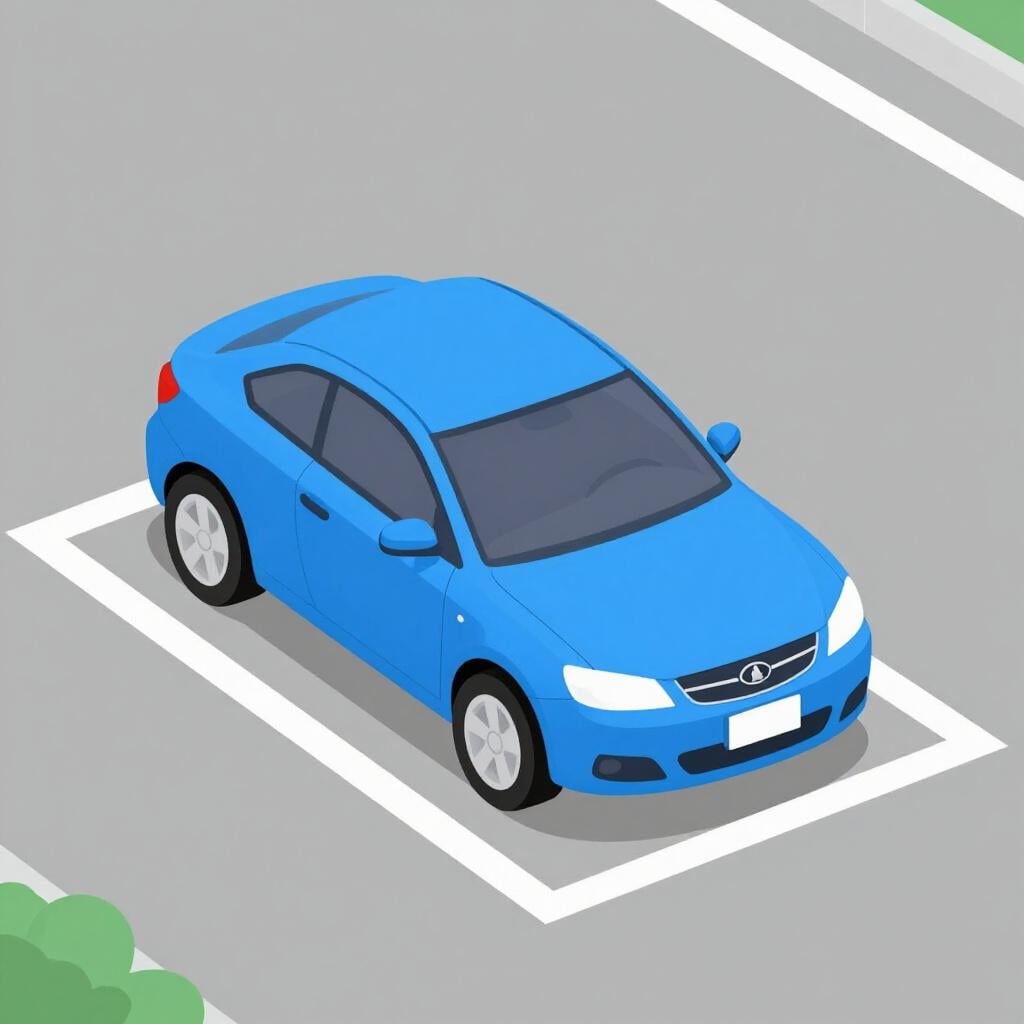
📝 In Action
El coche azul está estacionado frente al hotel.
A1The blue car is parked in front of the hotel.
No puedes dejar el camión estacionado en esta calle.
A2You cannot leave the truck parked on this street.
El frente frío se ha quedado estacionado sobre la ciudad.
B2The cold front has remained stationary over the city.
Translate to Spanish
✏️ Quick Practice
Quick Quiz: estacionado
Question 1 of 3
Which verb do you use with 'estacionado' to say a car IS parked?
📚 More Resources
👥 Word Family▼
🎵 Rhymes▼
📚 Etymology▼
From the Latin word 'statio', meaning a standing place or a position. It shares the same root as the English word 'station'.
First recorded: 17th century (as a derivative of the verb estacionar)
Cognates (Related words)
💡 Master Spanish
Take your Spanish to the next level. Read 200+ illustrated and narrated Spanish stories tailored to your level with the Inklingo app!
Frequently Asked Questions
Is 'estacionado' the same as 'parado'?
Not exactly. 'Estacionado' means the car is left in a spot (parked), while 'parado' just means it has stopped moving (like at a red light).
Can I use 'estacionado' for a person?
It's rare. It would imply the person is standing still like a car. Usually, we use 'parado' or 'detenido' for people.
What is the opposite of 'mal estacionado'?
The opposite is 'bien estacionado' (well-parked/correctly parked).