How to Say "parked" in Spanish
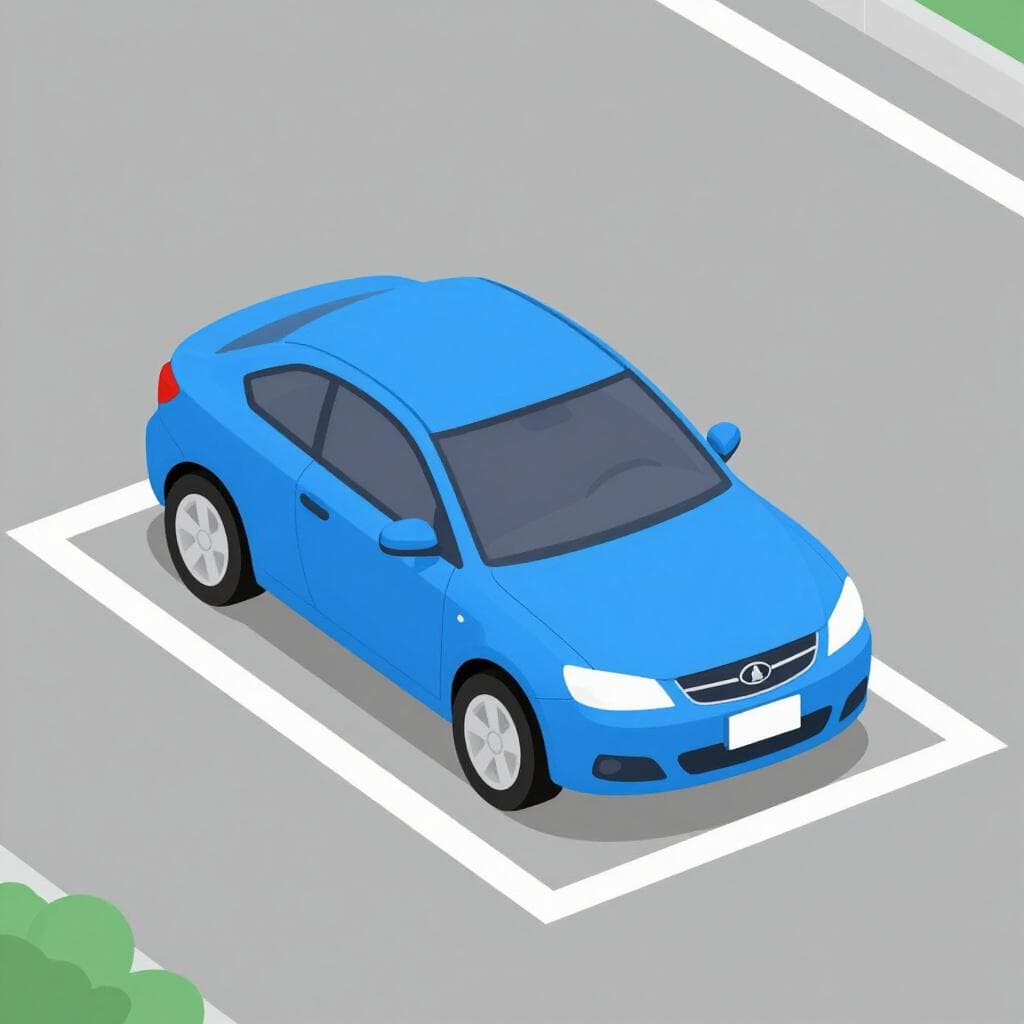
The most common Spanish word for “parked” is “estacionado” — use 'estacionado' when referring to a vehicle that has been deliberately parked in a specific, often designated, location.

estacionado
es-ta-syo-NA-doestasjoˈnaðo
Examples
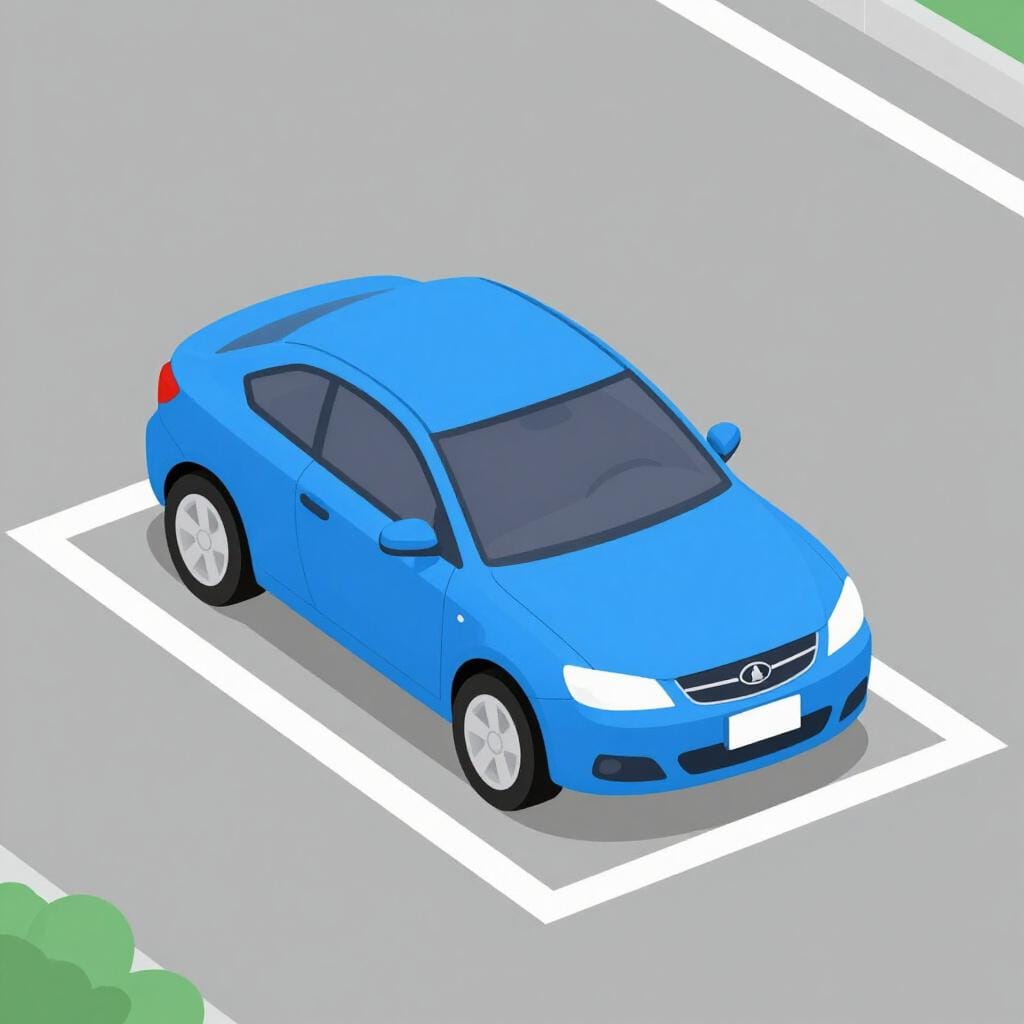
El coche azul está estacionado frente al hotel.
The blue car is parked in front of the hotel.
No puedes dejar el camión estacionado en esta calle.
You cannot leave the truck parked on this street.
El frente frío se ha quedado estacionado sobre la ciudad.
The cold front has remained stationary over the city.
Using 'Estar' vs 'Ser'
Always use 'estar' with this word because parking is a temporary state or location, not a permanent characteristic.
Matching the Noun
This word ends in 'o' for masculine things (el coche), but changes to 'estacionada' for feminine things (la moto).
The 'O' or 'A' ending
Mistake: “La bicicleta está estacionado.”
Correction: La bicicleta está estacionada. You must match the 'a' at the end of bicicleta with an 'a' at the end of the description.
parado
pah-RAH-dohpaˈɾaðo

Examples
Estuvo parado en la esquina esperando el autobús.
He was standing on the corner waiting for the bus.
El coche se quedó parado en medio de la carretera.
The car was left stopped in the middle of the road.
Use with 'Estar'
When 'parado' describes a temporary state (like someone standing up right now), you almost always use the verb 'estar'.
Confusing 'Parado' and 'De Pie'
Mistake: “Using 'parado' only when meaning 'standing' (like standing up).”
Correction: 'De pie' specifically means 'on one's feet.' 'Parado' can mean 'standing' OR 'stopped.' If you want to emphasize the upright position, use 'de pie'.
Estacionado vs. Parado
Related Translations
Learn Spanish with Inklingo
Interactive stories, personalized learning, and more.