How to Say "to settle" in Spanish
The most common Spanish word for “to settle” is “instalar” — use 'instalar' when talking about moving into a new place and establishing your home there, like moving into a new house or apartment.




instalar
een-stah-LAHRinstaˈlaɾ
Examples
Nos instalamos en nuestra nueva casa el lunes.
We settled into our new house on Monday.
Se instalaron en su nueva casa el lunes.
They settled into their new house on Monday.
El abogado instaló su despacho en el centro.
The lawyer set up his office downtown.
Queremos instalarnos cómodamente antes de la cena.
We want to get settled comfortably before dinner.
The Power of 'Se'
When you add 'se' to the end (making it reflexive), you are talking about settling yourself down somewhere. Without 'se', you are usually settling something or someone else.
Don't forget the 'Se'
Mistake: “Instalo en el hotel.”
Correction: Me instalo en el hotel. You need the 'me' to show that you are the one settling in.
saldar
sal-darsalˈdaɾ

Examples
Necesito saldar mi deuda con el banco este mes.
I need to pay off my debt with the bank this month.
La tienda va a saldar toda la ropa de verano.
The store is going to sell off all the summer clothes.
El equipo saldó el encuentro con una victoria.
The team settled the match with a victory.
Saldar vs. Pagar
While 'pagar' just means to give money for something, 'saldar' specifically means paying something off completely so that nothing else is owed.
Using 'con'
When you want to say HOW you finished something, use 'con'. For example: 'Saldó la deuda con un último pago' (He settled the debt with one last payment).
Using it for everyday small payments
Mistake: “Voy a saldar el café.”
Correction: Voy a pagar el café.
liquidar
lee-kee-dahrlikiˈðar

Examples
Por fin pudimos liquidar la hipoteca de la casa.
We were finally able to pay off the mortgage on the house.
Debes liquidar tu cuenta antes de irte.
You must settle your account before leaving.
La empresa liquidó todas sus deudas pendientes.
The company settled all its outstanding debts.
A Regular Action
This verb follows the standard pattern for verbs ending in -ar, so it is very predictable to conjugate.
Spelling Change Alert
In the 'yo' form of the past (Preterite), it changes to 'liquidé' (with a 'qu') to keep the hard 'k' sound.
Settle vs. Just Pay
Mistake: “Using 'pagar' when you mean you finished the whole debt.”
Correction: Use 'liquidar' to emphasize that the debt is now zero and completely finished.
asentar
ah-sen-TARasenˈtaɾ
Examples
Primero tenemos que asentar las bases del negocio.
First we have to lay the foundations of the business.
El edificio se asienta sobre un terreno firme.
The building sits/is settled on firm ground.
Asentó la taza sobre el plato con suavidad.
He placed the cup on the plate gently.
Tómate una manzanilla para asentar el estómago.
Drink a chamomile tea to settle your stomach.
The Stem Change
For most meanings, the 'e' changes to 'ie' when it's stressed (like in 'asiento' or 'asientas'), but stays 'e' in the 'we' and 'you all' forms.
Asentar vs. Sentar
Use 'sentar' for sitting in a chair, but use 'asentar' for fixing something firmly in place or establishing a base.
Forgetting the stem change
Mistake: “Yo asento las bases.”
Correction: Yo asiento las bases. (Remember the e -> ie change!)
depositar
deh-poh-see-tahrdeposiˈtaɾ
Examples
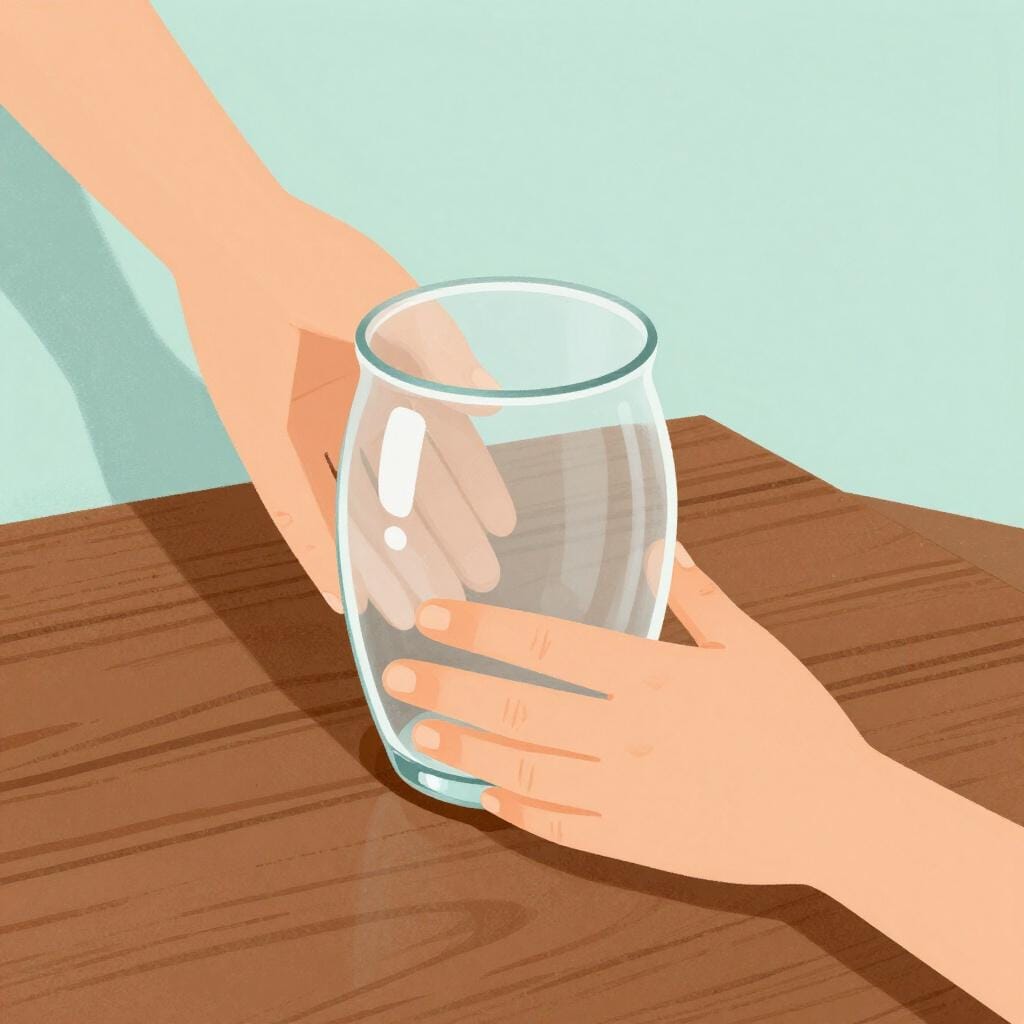
Depositó el jarrón con mucho cuidado sobre la mesa.
He placed the vase very carefully on the table.
Las partículas se depositan en el fondo del recipiente.
The particles settle at the bottom of the container.
ajustar
ah-hoos-TARaxusˈtaɾ
Examples
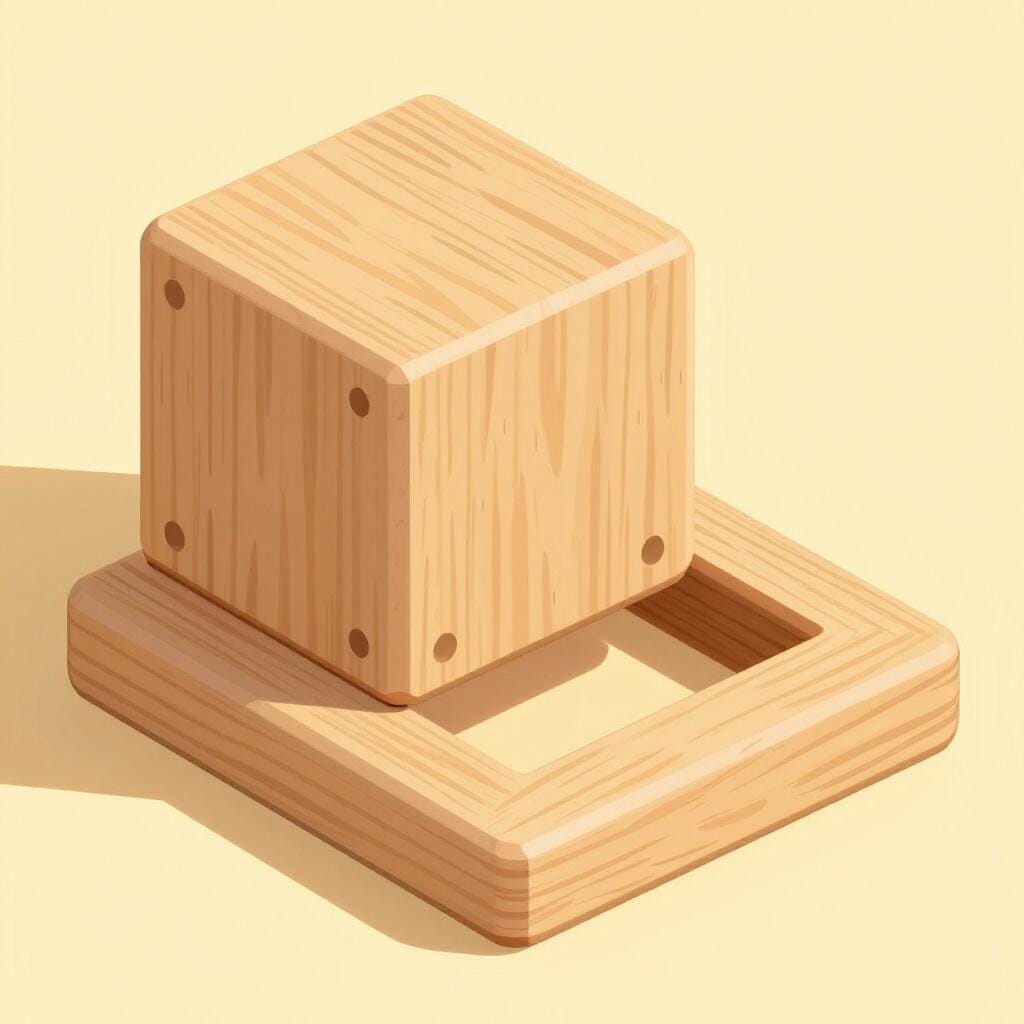
Debemos ajustar nuestro plan a las nuevas leyes.
We must adapt our plan to the new laws.
Ella se ajustó rápidamente a su nueva vida en España.
She adapted quickly to her new life in Spain.
Mañana vamos a ajustar las facturas pendientes.
Tomorrow we are going to settle the pending invoices.
Using 'a' after Ajustar
When 'ajustar' means to adapt something to a standard or law, you must use the word 'a' before the thing you are adapting to.
Wrong Preposition
Mistake: “Ajustarse con las reglas.”
Correction: Say 'Ajustarse a las reglas' because we always adapt 'to' something in Spanish.
calmar
kahl-MARkalˈmaɾ

Examples
La madre calma al bebé.
The mother calms the baby.
Necesito calmar mis nervios antes del examen.
I need to calm my nerves before the exam.
El viento se calmó por la noche.
The wind settled down at night.
Calmarse vs. Calmar
Use 'calmarse' (with -se) when the person doing the action is also the one getting calm: 'Me calmé' = 'I calmed down.' Use 'calmar' (without -se) when you calm someone else: 'Te calmé' = 'I calmed you down.'
Forgetting the reflexive pronoun
Mistake: “Yo calmé después del examen”
Correction: Yo me calmé después del examen. When you mean 'to calm down' (yourself), Spanish needs the '-se' ending attached to the verb.
reposar
re-po-SARrepoˈsaɾ

Examples
Deja reposar la masa por treinta minutos.
Let the dough sit for thirty minutes.
El té debe reposar para que tenga buen sabor.
The tea must steep (rest) to have a good flavor.
El sedimento reposa en el fondo de la botella.
The sediment settles at the bottom of the bottle.
Giving Instructions
When using this in recipes, you often use the command form: 'Deje reposar...' (Let it sit...).
estacionar
es-ta-syo-narestasjoˈnaɾ

Examples
Decidieron estacionar a las tropas en la frontera.
They decided to station the troops at the border.
La lluvia se estacionó sobre la ciudad por tres días.
The rain settled over the city for three days.
Metaphorical use
This word is often used with weather or feelings to show that something isn't moving or changing.
entona
Examples
Las cortinas entonan perfectamente con el color de las paredes.
The curtains harmonize perfectly with the color of the walls.
zanja
SAHN-hahˈsanxa

Examples
Él zanja la discusión con un argumento sólido.
He settles the argument with a solid point.
Es hora de que ella zanja sus deudas.
It is time for her to settle her debts.
¡Zanja ese asunto ahora mismo!
Settle that matter right now!
Verb vs. Noun
In the form 'zanja', it can be the action (He settles) or the thing (The ditch). Context tells you which is which!
Spelling Change
When the ending changes to an 'e' (like in the present subjunctive 'zanje'), the 'j' stays the same to keep the harsh 'h' sound.
Confusing 'Zanjar' with 'Cavar'
Mistake: “Él zanja la tierra.”
Correction: Él cava una zanja.
Confusing Debt Settlement: Saldar vs. Liquidar
Related Translations
Learn Spanish with Inklingo
Interactive stories, personalized learning, and more.