How to Say "to conclude" in Spanish
The most common Spanish word for “to conclude” is “acabar” — use 'acabar' to signify the completion of a task or action, especially when it needs to be finished by a certain time or deadline.








acabar
ah-kah-BAHRa.kaˈβaɾ

Examples
Necesito acabar este informe antes de las cinco.
I need to finish this report before five o'clock.
La película acaba con un final inesperado.
The movie ends with an unexpected conclusion.
¿Cuándo acabas de trabajar hoy?
When are you finishing work today?
Simple Usage
Use 'acabar' just like 'finish' in English. If you finished a task, put the task right after the verb: Acabé la cena (I finished dinner).
finalizar
fee-nah-lee-sahrfinaliˈsaɾ

Examples
La película finaliza a las nueve de la noche.
The movie ends at nine p.m.
Necesito finalizar este informe antes de la reunión.
I need to finish this report before the meeting.
El árbitro decidió finalizar el partido por la lluvia.
The referee decided to end the match because of the rain.
The Z to C Spelling Swap
In Spanish, 'z' usually changes to 'c' when followed by an 'e'. This happens in the 'yo' form when talking about the past (finalicé) and in commands or wishes (que finalice).
Finalizar vs. Terminar
While both mean 'to finish,' finalizar is more formal. Use 'terminar' for everyday things like a meal, and 'finalizar' for official events or work tasks.
The 'Yo' Form Past Spelling
Mistake: “Yo finalizé la tarea.”
Correction: Yo finalicé la tarea. (Remember that 'z' always becomes 'c' before an 'e' in Spanish spelling!)
Using it for People
Mistake: “Mi abuelo finalizó ayer.”
Correction: Mi abuelo murió/falleció ayer. (Finalizar is for events and tasks, not for people passing away.)
cerrar
seh-RRAHRseˈraɾ
Examples
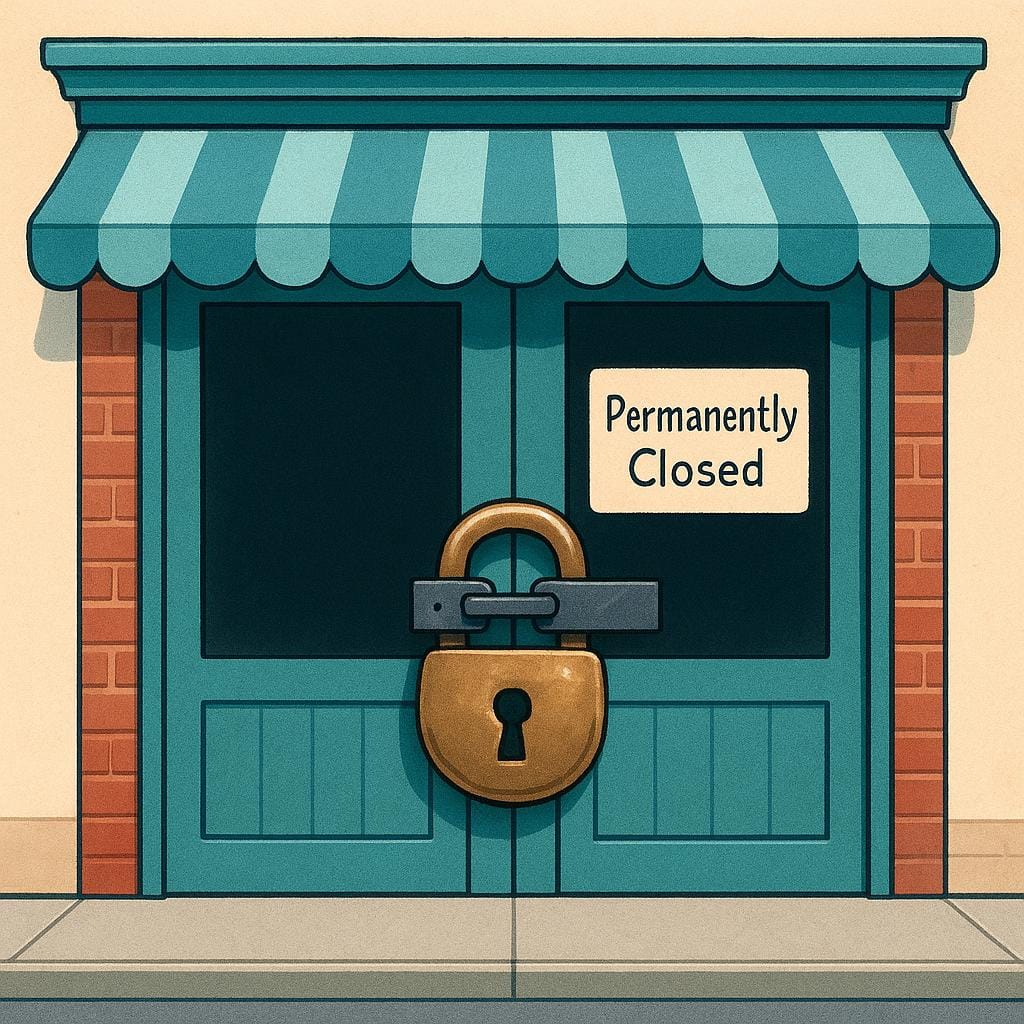
La tienda de la esquina tuvo que cerrar por la crisis económica.
The corner store had to close down due to the economic crisis.
Necesitamos cerrar este trato antes de que termine el mes.
We need to finish (close) this deal before the end of the month.
Use with Time Expressions
'Cerrar' is often used when a time period, like an event or a business day, comes to an end: 'Cerramos a las nueve' (We close at nine).
rematar
reh-mah-tahrre.maˈtaɾ

Examples
Rematamos la cena con un postre de chocolate.
We finished off the dinner with a chocolate dessert.
Faltan unos detalles para rematar el informe.
A few details are missing to finish off the report.
Ella remató su discurso con una frase inspiradora.
She concluded her speech with an inspiring phrase.
Using 'con' to finish
When you use this word to describe how you finished an activity, use the word 'con' (with) right after it, like 'Rematamos con café'.
Rematar vs. Terminar
Mistake: “Using 'rematar' for just stopping an action.”
Correction: Use 'terminar' for simply finishing; use 'rematar' when you are adding that final special touch or completion.
sacar
sah-KARsaˈkaɾ

Examples
No saco la respuesta a este problema de matemáticas.
I can't figure out the answer to this math problem.
De nuestra conversación, saqué que no está contento.
From our conversation, I concluded that he isn't happy.
saldar
sal-darsalˈdaɾ

Examples
Necesito saldar mi deuda con el banco este mes.
I need to pay off my debt with the bank this month.
La tienda va a saldar toda la ropa de verano.
The store is going to sell off all the summer clothes.
El equipo saldó el encuentro con una victoria.
The team settled the match with a victory.
Saldar vs. Pagar
While 'pagar' just means to give money for something, 'saldar' specifically means paying something off completely so that nothing else is owed.
Using 'con'
When you want to say HOW you finished something, use 'con'. For example: 'Saldó la deuda con un último pago' (He settled the debt with one last payment).
Using it for everyday small payments
Mistake: “Voy a saldar el café.”
Correction: Voy a pagar el café.
concluir
kohn-kloo-EERkoŋ.kluˈiɾ

Examples
Después de ver las pruebas, concluyeron que el sospechoso era inocente.
After seeing the evidence, they concluded that the suspect was innocent.
Podemos concluir que el cambio climático afecta a todos.
We can conclude that climate change affects everyone.
¿Qué concluyes de todo esto?
What do you conclude from all of this?
Using 'que'
When using this word to express an opinion or deduction, you almost always follow it with 'que' (that). For example: 'Concluyo que tienes razón' (I conclude that you are right).
clausurar
klou-soo-rahrklawsuˈɾaɾ

Examples
El Rey va a clausurar el congreso internacional esta tarde.
The King is going to close the international congress this afternoon.
Ayer se clausuraron los Juegos Olímpicos con un gran espectáculo.
The Olympic Games were closed yesterday with a great show.
El director clausuró el curso académico con un emotivo discurso.
The director concluded the academic year with a moving speech.
Events and Ceremonies
This word is perfect for describing the end of a series of events, like the last day of a fair or the final speech of a meeting.
sellar
seh-YARseˈʝaɾ

Examples
Los dos líderes sellaron un pacto de no agresión.
The two leaders sealed a non-aggression pact.
Ese error selló el destino de la empresa.
That mistake sealed the company's fate.
Sellaron su compromiso con un beso.
They sealed their commitment with a kiss.
Metaphorical Use
This meaning uses the idea of a physical seal (like wax on a letter) to represent something that cannot be changed or opened back up.
General vs. Specific Endings
Related Translations
Learn Spanish with Inklingo
Interactive stories, personalized learning, and more.