How to Say "to finish" in Spanish
The most common Spanish word for “to finish” is “terminar” — use this for the general completion of a task, activity, or event, like homework or a job.

Use this for the general completion of a task, activity, or event, like homework or a job.
Learn more →
This is also a very common general term for finishing something, often implying the completion of a task or object.
Learn more →
Use this when the focus is on fulfilling all the parts of a project, task, or goal.
Learn more →
This is a slightly more formal synonym for 'terminar', often used for the end of scheduled activities or tasks.
Learn more →
Use this when finishing a more formal event, speech, or discussion, often implying a summary or resolution.
Learn more →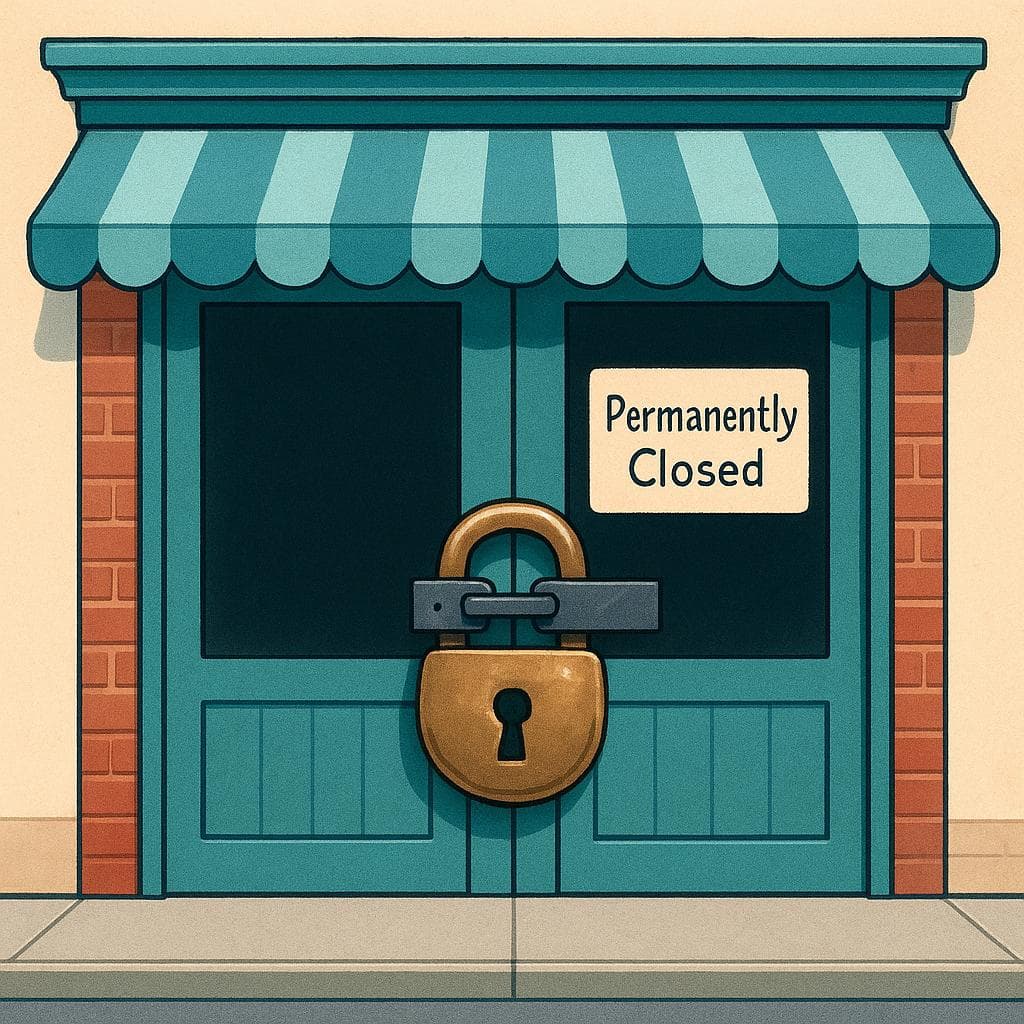
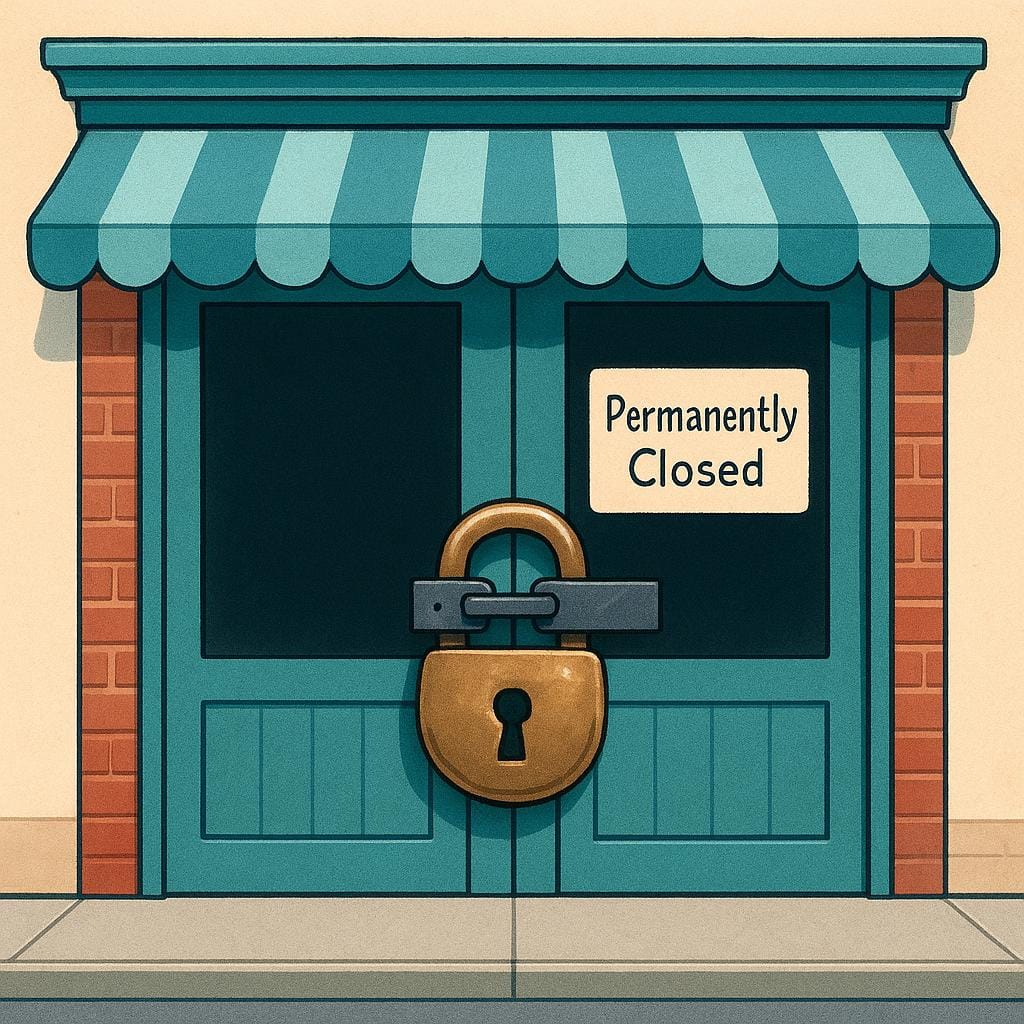
This specifically means to close something, most commonly used for businesses, shops, or sometimes metaphorical closures like deals.
Learn more →
This implies reaching the highest point or final stage of a process or event, often with a sense of achievement or a grand finale.
Learn more →ter-mee-NARteɾ.miˈnaɾ

Examples
Tengo que terminar mi tarea.
I have to finish my homework.
¿A qué hora termina la película?
What time does the movie end?
Cuando termines de leer, apaga la luz.
When you finish reading, turn off the light.
Saying you 'finished doing' something
To say you finished an action, use the pattern 'terminar de' followed by the base form of the other verb. For example, 'Terminé de comer' means 'I finished eating'.
Forgetting 'de'
Mistake: “Voy a terminar leer el libro.”
Correction: Voy a terminar de leer el libro. When you follow 'terminar' with another action (verb), you almost always need the little word 'de' in between.
ah-kah-BAHRa.kaˈβaɾ

Examples
Necesito acabar este informe antes de las cinco.
I need to finish this report before five o'clock.
La película acaba con un final inesperado.
The movie ends with an unexpected conclusion.
¿Cuándo acabas de trabajar hoy?
When are you finishing work today?
Simple Usage
Use 'acabar' just like 'finish' in English. If you finished a task, put the task right after the verb: Acabé la cena (I finished dinner).
kom-ple-TARkom.pleˈtaɾ

Examples
Necesito completar la tarea antes de irme.
I need to complete the homework before I leave.
Ella completó el maratón en menos de cuatro horas.
She finished the marathon in less than four hours.
¿Puedes completar las instrucciones que faltan?
Can you complete the missing instructions?
A Regular Verb
Since 'completar' is a regular '-ar' verb, it follows the most common Spanish conjugation pattern, making it easy to learn.
Using 'Terminar' vs. 'Completar'
Mistake: “Using 'Terminar' when you mean 'to make whole' (e.g., 'Terminar la colección').”
Correction: 'Completar' often implies filling a gap or reaching 100%, while 'terminar' just means stopping or ending something.
fee-nah-lee-sahrfinaliˈsaɾ

Examples
La película finaliza a las nueve de la noche.
The movie ends at nine p.m.
Necesito finalizar este informe antes de la reunión.
I need to finish this report before the meeting.
El árbitro decidió finalizar el partido por la lluvia.
The referee decided to end the match because of the rain.
The Z to C Spelling Swap
In Spanish, 'z' usually changes to 'c' when followed by an 'e'. This happens in the 'yo' form when talking about the past (finalicé) and in commands or wishes (que finalice).
Finalizar vs. Terminar
While both mean 'to finish,' finalizar is more formal. Use 'terminar' for everyday things like a meal, and 'finalizar' for official events or work tasks.
The 'Yo' Form Past Spelling
Mistake: “Yo finalizé la tarea.”
Correction: Yo finalicé la tarea. (Remember that 'z' always becomes 'c' before an 'e' in Spanish spelling!)
Using it for People
Mistake: “Mi abuelo finalizó ayer.”
Correction: Mi abuelo murió/falleció ayer. (Finalizar is for events and tasks, not for people passing away.)
kohn-kloo-EERkoŋ.kluˈiɾ

Examples
El profesor concluyó la clase con una pregunta interesante.
The teacher finished the class with an interesting question.
Debemos concluir este informe para mañana por la mañana.
We must complete this report by tomorrow morning.
La ceremonia de premiación concluyó con fuegos artificiales.
The award ceremony ended with fireworks.
The 'Y' Spelling Change
For this verb, you need to swap the 'i' for a 'y' whenever the 'i' would be between two other vowels. This keeps the sound clear. For example, say 'él concluye' instead of 'concluie'.
Formal Tone
While 'terminar' is used for everyday tasks like finishing a sandwich, 'concluir' sounds a bit more polished and is often used for events, meetings, or academic work.
Missing the 'Y'
Mistake: “Él conclue el trabajo.”
Correction: Él concluye el trabajo. Remember that 'ir' verbs ending in a vowel (like u-ir) almost always add a 'y' in the present tense.
seh-RRAHRseˈraɾ
Examples
La tienda de la esquina tuvo que cerrar por la crisis económica.
The corner store had to close down due to the economic crisis.
Necesitamos cerrar este trato antes de que termine el mes.
We need to finish (close) this deal before the end of the month.
Use with Time Expressions
'Cerrar' is often used when a time period, like an event or a business day, comes to an end: 'Cerramos a las nueve' (We close at nine).
kool-mee-nahrkulmiˈnaɾ

Examples
El festival va a culminar con un gran espectáculo de fuegos artificiales.
The festival is going to culminate with a great fireworks show.
Su arduo trabajo culminó en un éxito rotundo.
His hard work resulted in a resounding success.
Debemos culminar la construcción antes de que empiece el invierno.
We must finish the construction before winter begins.
Culminar vs. Terminar
Use 'culminar' for big events or career milestones; use 'terminar' for everyday things like finishing a sandwich or a book.
Using 'Con' vs 'En'
Use 'con' when describing the specific thing that ends an event (culminar con fuegos artificiales) and 'en' when describing the result (culminó en tragedia).
Don't use it for simple tasks
Mistake: “Culminé mi tarea de matemáticas.”
Correction: Terminé mi tarea de matemáticas. (Culminar feels too dramatic for basic homework).
General vs. Specific Completion
The most common mistake is using a general term like 'terminar' or 'acabar' when a more specific verb like 'cerrar' (to close a business) or 'culminar' (to reach a peak/end) is required. Always consider if your 'finish' implies a simple end or a more specific type of conclusion.
Related Translations
Learn Spanish with Inklingo
Interactive stories, personalized learning, and more.