How to Say "remove" in Spanish
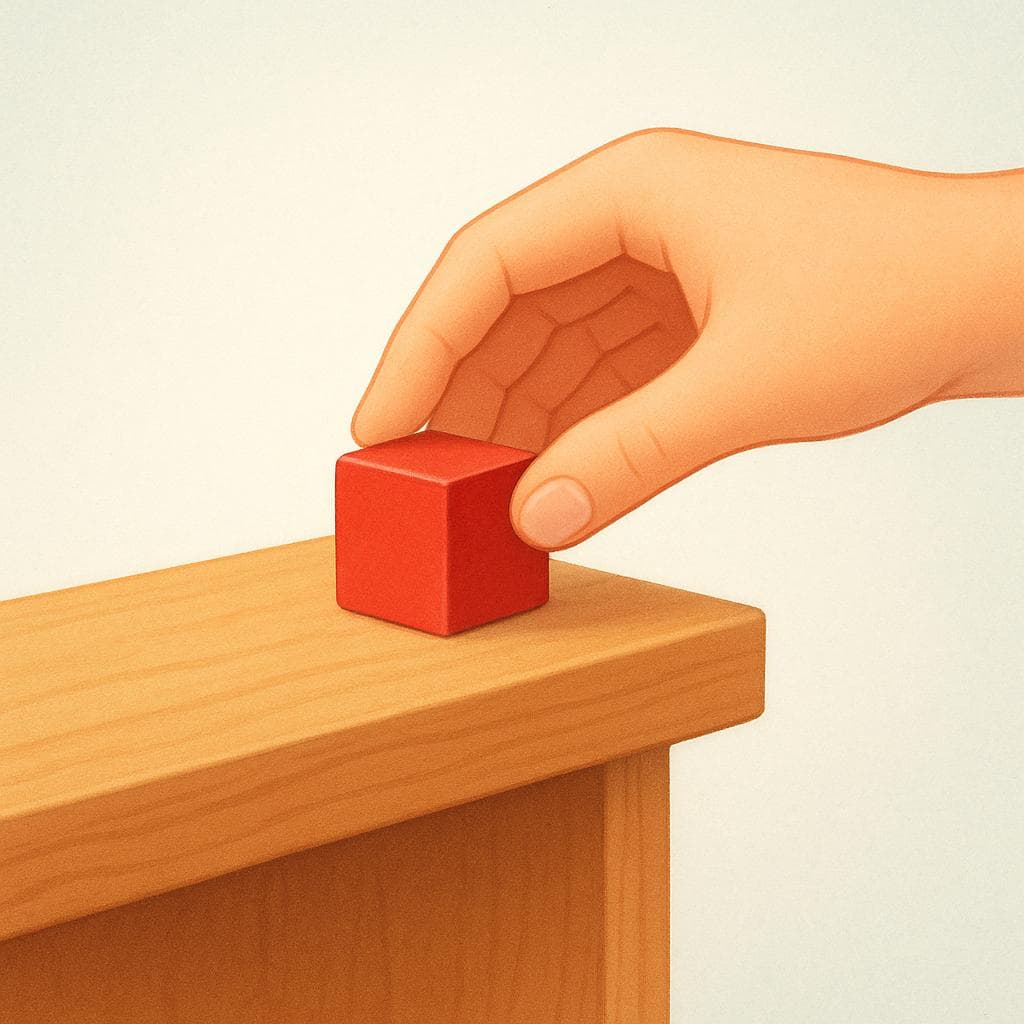
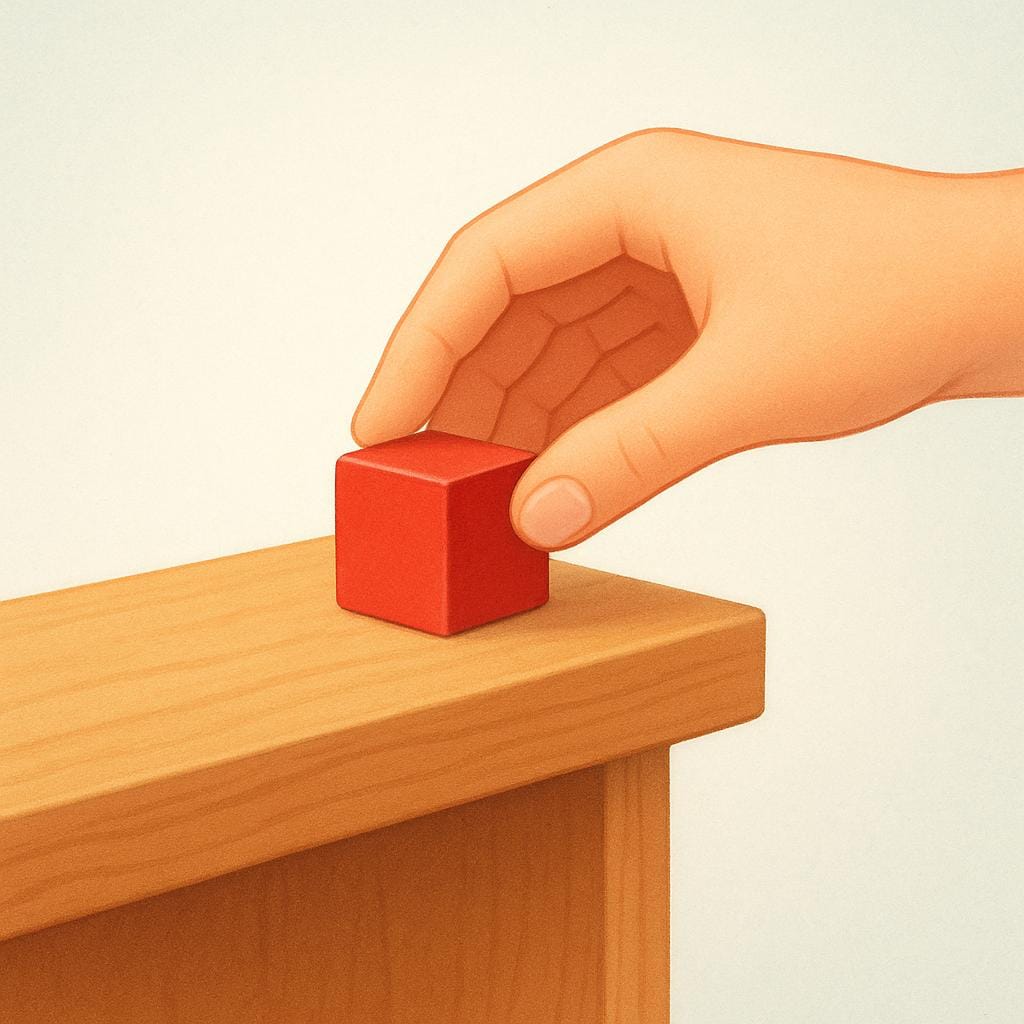
The most common Spanish word for “remove” is “quitar” — use 'quitar' when you are physically taking something off a surface or out of a particular place, like removing an object from a table or a shelf.


quitar
kee-TAHRkiˈtaɾ
Examples
Quita los libros de la mesa, por favor.
Remove the books from the table, please.
¿Puedes quitar la tapa de esta botella?
Can you take the lid off this bottle?
La pintura es difícil de quitar.
The paint is difficult to remove.
Direct Removal
Use 'quitar' when you are the one performing the action of removing an object from a place.
Confusing 'Quitar' and 'Sacar'
Mistake: “Using 'sacar' when referring to taking an item off a surface (e.g., *Saca los zapatos de la cama*).”
Correction: Use 'quitar' for removing something *from a surface* or *detaching* something. Use 'sacar' for removing something *from the inside* (like pulling a key out of a lock).
eliminar
eh-lee-mee-NAReli.miˈnaɾ

Examples
Tenemos que eliminar toda la basura antes de que lleguen los invitados.
We have to remove all the trash before the guests arrive.
El médico quiere eliminar el azúcar de mi dieta por completo.
The doctor wants to eliminate sugar from my diet completely.
Es difícil eliminar el ruido de la calle en esta oficina.
It is difficult to get rid of the street noise in this office.
Direct Object Placement
When using 'eliminar' with a pronoun (like 'it' or 'them'), the pronoun usually goes immediately before the conjugated verb: 'Lo eliminamos' (We eliminate it).
Using 'eliminar' for 'throw away'
Mistake: “Voy a eliminar la basura.”
Correction: Voy a tirar la basura. ('Eliminar' is formal; 'tirar' or 'botar' are more common for simple trash.)
borrar
boh-RRAHRboˈraɾ

Examples
Borra todas las fotos antiguas de tu teléfono para liberar espacio.
Delete all the old photos from your phone to free up space.
Intenté borrar su número de mi memoria, pero fue imposible.
I tried to wipe his number from my memory, but it was impossible.
Si borras la caché, la aplicación debería funcionar mejor.
If you clear the cache, the application should work better.
Reflexive Use: Borrarse
When used with 'se' (borrarse), it often means 'to disappear' or 'to fade away' by itself: 'La mancha se borró con el tiempo' (The stain faded away over time).
Using 'borrar' for 'forget'
Mistake: “No puedo borrar el nombre.”
Correction: While 'borrar' can mean 'wipe out a memory,' for simple forgetting, use 'olvidar': 'No puedo olvidar el nombre' (I can't forget the name).
Examples
El profesor dijo: 'Saquen una hoja de papel'.
The teacher said: 'Take out a sheet of paper.'
Choosing between 'quitar', 'eliminar', and 'borrar'
Related Translations
Learn Spanish with Inklingo
Interactive stories, personalized learning, and more.