rematar
“rematar” means “to finish off” in Spanish. It has 2 different meanings depending on context:


to finish off
Also: to top off, to conclude
📝 In Action
Rematamos la cena con un postre de chocolate.
A2We finished off the dinner with a chocolate dessert.
Faltan unos detalles para rematar el informe.
B1A few details are missing to finish off the report.
Ella remató su discurso con una frase inspiradora.
B2She concluded her speech with an inspiring phrase.
to shoot
Also: to head, to spike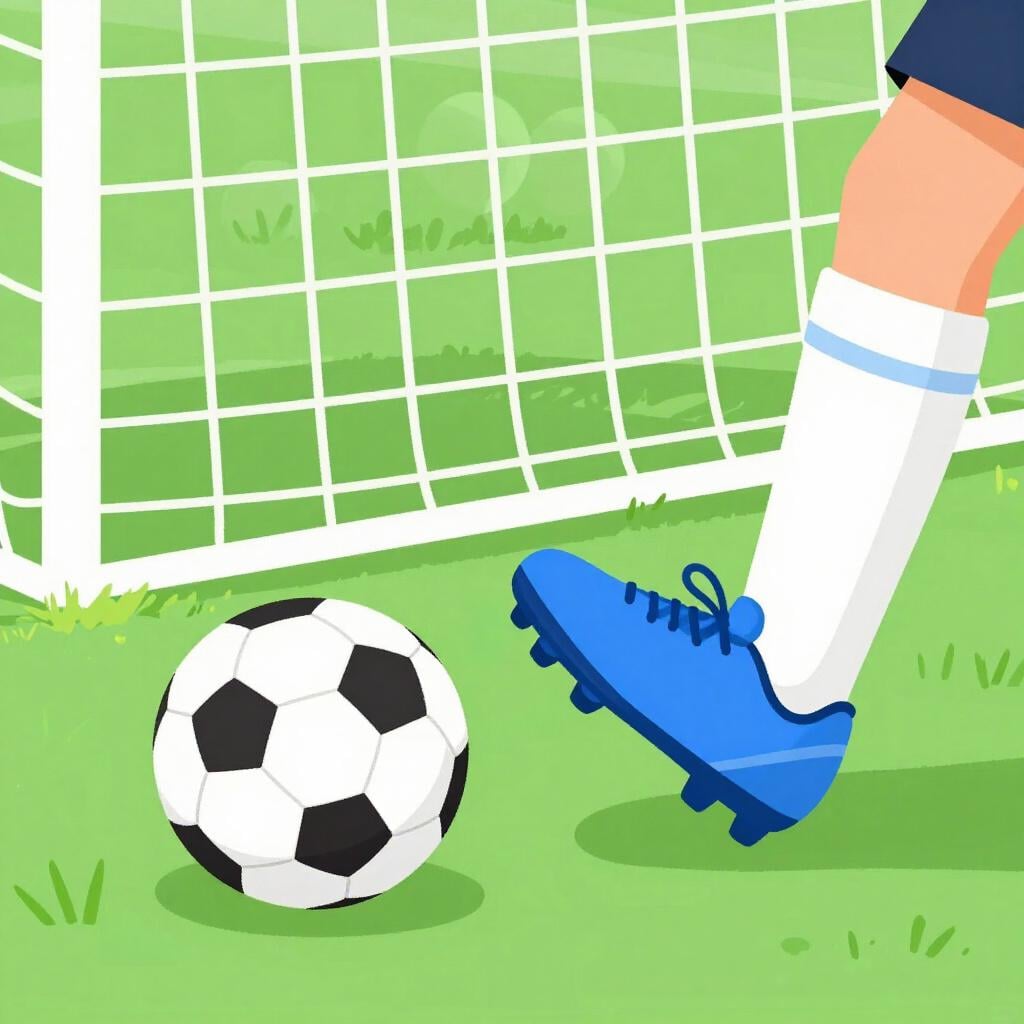
📝 In Action
El delantero remató de cabeza y marcó un gol.
B1The forward headed the ball and scored a goal.
Tienes que rematar con más fuerza.
A2You have to shoot with more power.
Remató el balón al primer toque.
B2He struck the ball on the first touch.
Subjunctive
Imperfect Subjunctive
Present Subjunctive
Indicative
Preterite
Imperfect
Present
Translate to Spanish
✏️ Quick Practice
Quick Quiz: rematar
Question 1 of 3
If you are playing soccer and hit the ball with your head into the goal, you are...
📚 More Resources
👥 Word Family▼
📚 Etymology▼
From the Spanish prefix 're-' (which adds emphasis or means 'again') and the verb 'matar' (to kill or to strike). It originally meant to strike a final, killing blow, but evolved to mean finishing anything completely.
First recorded: 13th century
Cognates (Related words)
💡 Master Spanish
Take your Spanish to the next level. Read 200+ illustrated and narrated Spanish stories tailored to your level with the Inklingo app!
Frequently Asked Questions
Is 'rematar' related to 'matar' (to kill)?
Yes! It originally meant to finish off a wounded animal. Today, while it can still mean that in specific contexts, it is mostly used for finishing tasks, meals, or shots in sports.
Can I use 'rematar' for finishing a book?
It's better to use 'terminar'. Use 'rematar' if you are finishing the *writing* or *editing* of a book (adding the final touches).
Is 'rematado' always a verb?
No, it can be an adjective meaning 'utter' or 'complete,' often used in phrases like 'loco rematado' (utterly crazy).