How to Say "to shoot" in Spanish
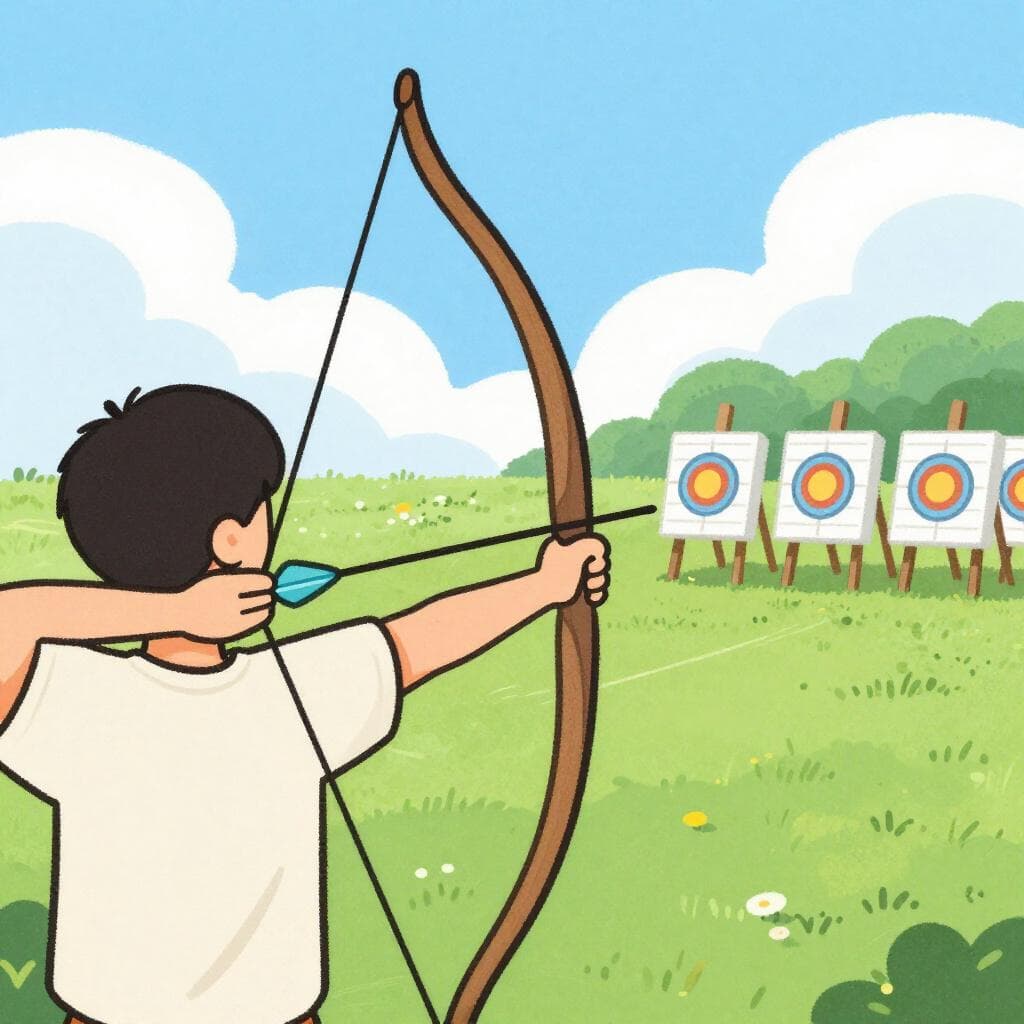
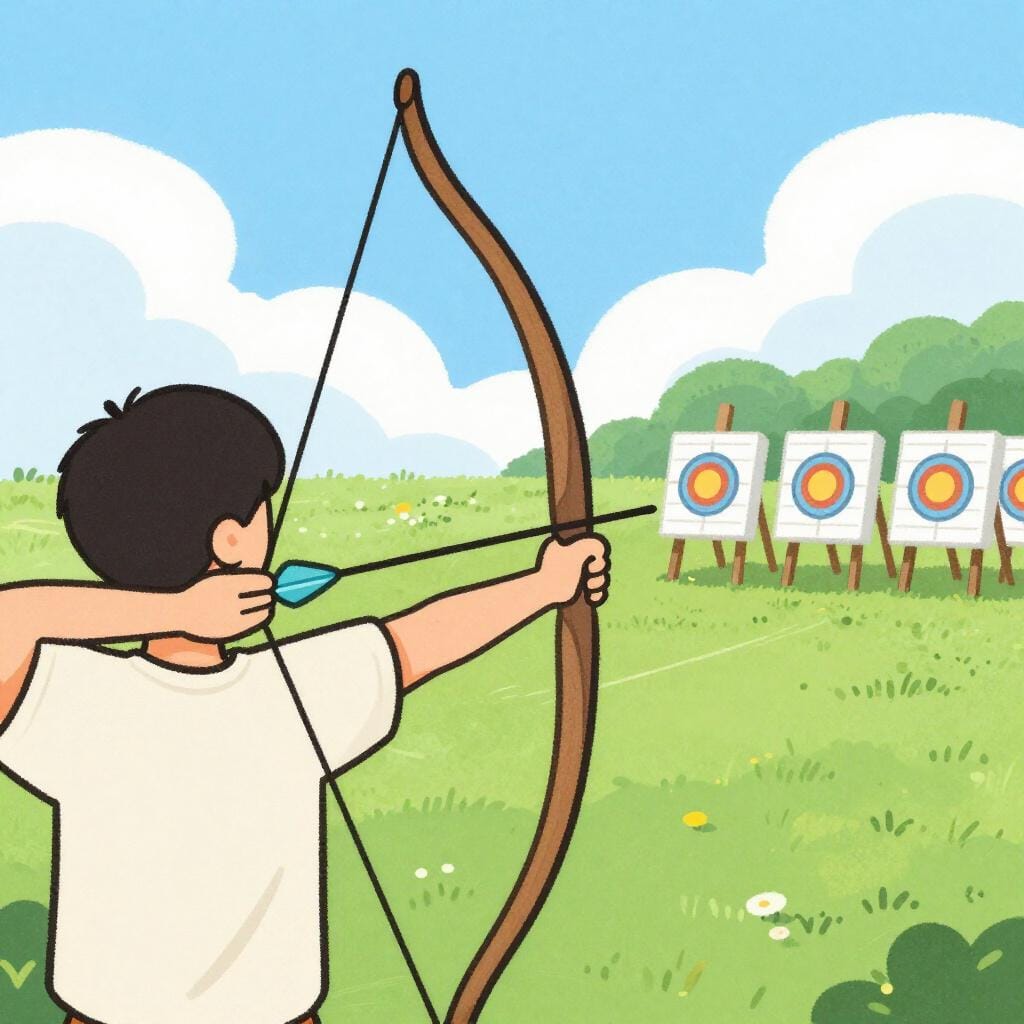
The most common Spanish word for “to shoot” is “disparar” — use 'disparar' when referring to the act of firing a gun, pistol, rifle, or bow and arrow.



disparar
dis-pah-RAHRdis.paˈɾaɾ
Examples
El cazador tuvo que disparar dos veces.
The hunter had to shoot twice.
No puedes disparar un arma sin permiso.
You cannot fire a weapon without permission.
Direct Action Verb
In this sense, 'disparar' is a transitive verb, meaning it needs a direct object (the thing being shot), like 'disparar la flecha' (to shoot the arrow).
Confusing 'Disparar' and 'Lanzar'
Mistake: “Using 'disparar' for throwing something by hand (e.g., 'disparar una pelota').”
Correction: Use 'lanzar' or 'tirar' for throwing by hand. 'Disparar' implies a mechanical force or rapid propulsion, usually from a device.
tirar
tee-RAHRtiˈɾaɾ
Examples
El cazador tuvo que tirar para defenderse.
The hunter had to shoot to defend himself.
¿Puedes tirarme una foto con mi teléfono?
Can you take a picture of me with my phone?
El ladrón tiró al aire para asustarlos.
The thief shot into the air to scare them.
Photo Usage
In many regions, 'tomar una foto' or 'sacar una foto' is more universally understood for taking pictures, but 'tirar una foto' is very common in places like Mexico and Central America.
filmar
feel-MAHRfilˈmaɾ

Examples
Están filmando un documental sobre la vida marina en el Caribe.
They are filming a documentary about marine life in the Caribbean.
Mi abuelo filmó toda mi niñez con una cámara antigua.
My grandfather filmed my whole childhood with an old camera.
Necesitamos filmar la escena de nuevo porque hubo mucho ruido.
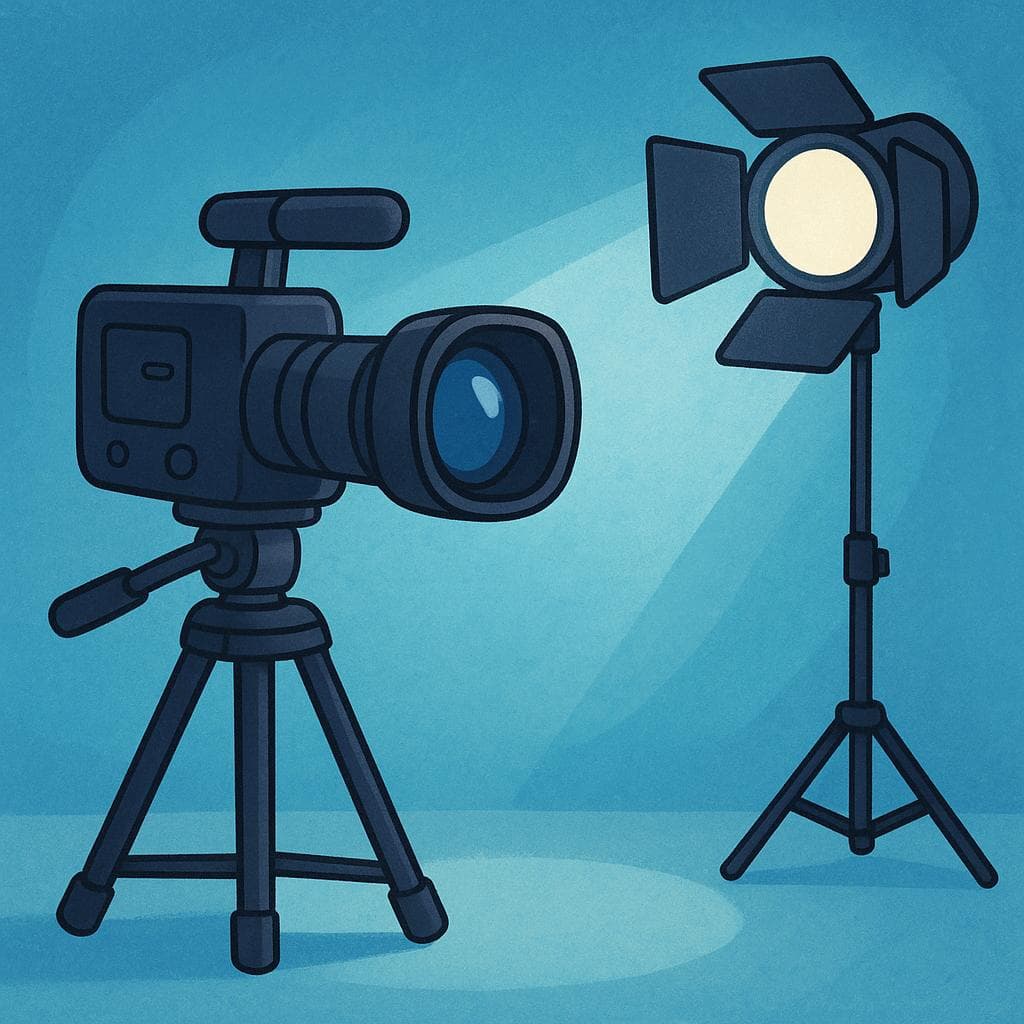
We need to shoot the scene again because there was a lot of noise.
A Regular AR Verb
Like many common Spanish verbs (hablar, estudiar), 'filmar' follows the most common pattern for conjugations. Just remember to drop the '-ar' and add the correct endings for each tense.
Confusing 'Filmar' and 'Grabar'
Mistake: “Using 'filmar' when talking about recording only audio (e.g., 'Filmar una canción').”
Correction: Use 'grabar' for general recording, especially audio. 'Filmar' is best for visual recording (video or cinema). The correct phrase is 'Grabar una canción'.
rodar
roh-darroˈðaɾ
Examples
¿Dónde van a rodar la nueva serie de ciencia ficción?
Where are they going to film the new science fiction series?
La película fue rodada en blanco y negro.
The movie was shot in black and white.
El director está rodando su escena favorita hoy.
The director is shooting his favorite scene today.
Passive Voice with Rodar
This meaning is often used in the passive voice to describe where a film was made: 'La película fue rodada en Madrid' (The movie was filmed in Madrid).
Using 'Disparar'
Mistake: “Using 'disparar' (to shoot a gun) for filming.”
Correction: Always use 'rodar' or 'filmar' when talking about cameras and movies, not 'disparar'.
rematar
reh-mah-tahrre.maˈtaɾ

Examples
El delantero remató de cabeza y marcó un gol.
The forward headed the ball and scored a goal.
Tienes que rematar con más fuerza.
You have to shoot with more power.
Remató el balón al primer toque.
He struck the ball on the first touch.
Sports context
In sports, this word describes the final action of trying to score, regardless of whether it's with a foot, head, or hand.
fusilar
foo-see-LAHRfusiˈlaɾ

Examples
El prisionero fue fusilado al amanecer.
The prisoner was executed by firing squad at dawn.
Muchos soldados murieron fusilados durante la guerra.
Many soldiers were shot during the war.
La ley prohibía fusilar a los civiles.
The law prohibited executing civilians by firing squad.
Using 'a' with people
When you use this verb with a person, you must use the 'personal a'. For example: 'Fusilaron a los traidores' (They shot the traitors).
Don't confuse with 'disparar'
Mistake: “Disparar a alguien.”
Correction: Use 'fusilar' only for a formal, organized execution by a squad. For a general shooting, use 'disparar' or 'pegar un tiro'.
Firearms vs. Filming
Learn Spanish with Inklingo
Interactive stories, personalized learning, and more.