disparar
“disparar” means “to shoot” in Spanish. It has 3 different meanings depending on context:

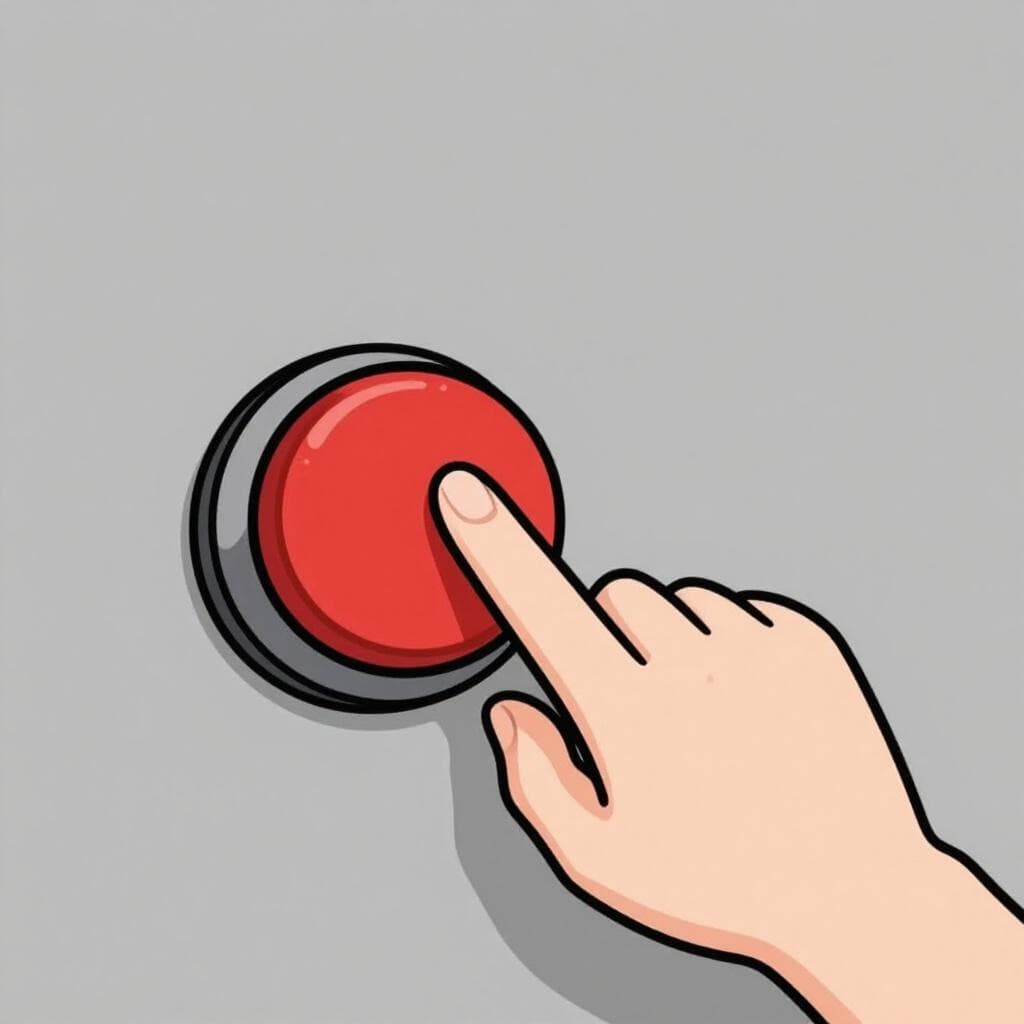

to shoot, to fire
Also: to launch
📝 In Action
El cazador tuvo que disparar dos veces.
A2The hunter had to shoot twice.
No puedes disparar un arma sin permiso.
B1You cannot fire a weapon without permission.
to trigger, to set off
Also: to provoke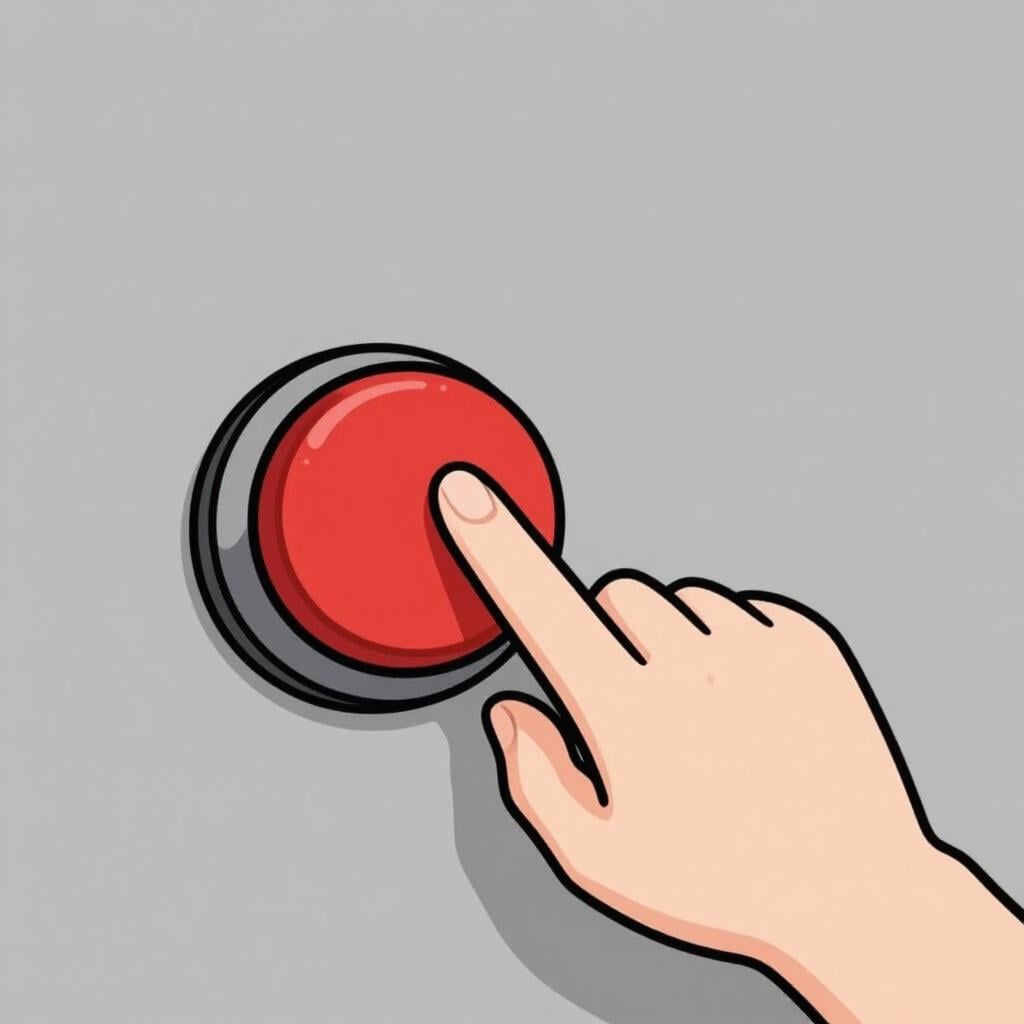
📝 In Action
La caída de tensión disparó el sistema de emergencia.
B1The drop in voltage triggered the emergency system.
Su comentario disparó una acalorada discusión en la sala.
B2His comment provoked a heated discussion in the room.
to skyrocket, to soar
Also: to shoot up
📝 In Action
Tras el anuncio, las acciones se dispararon en la bolsa.
B2After the announcement, stocks skyrocketed on the market.
La fiebre del niño se disparó de repente, tuvimos que ir al hospital.
C1The child's fever shot up suddenly; we had to go to the hospital.
Subjunctive
Imperfect Subjunctive
Present Subjunctive
Indicative
Preterite
Imperfect
Present
Translate to Spanish
Words that translate to "disparar" in Spanish:
i fired→to fire→to launch→to provoke→to shoot→to skyrocket→to soar→to trigger→✏️ Quick Practice
Quick Quiz: disparar
Question 1 of 2
¿Cuál es la mejor traducción de 'Los costos se dispararon'?
📚 More Resources
👥 Word Family▼
📚 Etymology▼
The word comes from the combination of the prefix 'des-' (meaning separation or undoing) and the verb 'parar' (to stop or prepare). Originally, it meant to 'separate' or 'un-prepare' something, which evolved into the idea of launching or propelling something away forcefully.
First recorded: Medieval Spanish (around 15th century)
Cognates (Related words)
💡 Master Spanish
Take your Spanish to the next level. Read 200+ illustrated and narrated Spanish stories tailored to your level with the Inklingo app!
Frequently Asked Questions
Is 'disparar' always related to violence or weapons?
No. While its primary meaning is 'to shoot,' it is very often used figuratively to mean 'to trigger' a reaction (like a discussion or a system) or, when used reflexively ('dispararse'), to describe things like prices 'skyrocketing' quickly.
How do I know when to use the reflexive form 'dispararse'?
Use 'dispararse' when the subject is increasing rapidly and dramatically, like prices, temperatures, or a person's pulse. If the subject is performing the action on an object (like shooting a gun or triggering an alarm), use the non-reflexive 'disparar'.