estábamos
“estábamos” means “we were” in Spanish (describing a past state, location, or ongoing action).
we were
Also: we used to be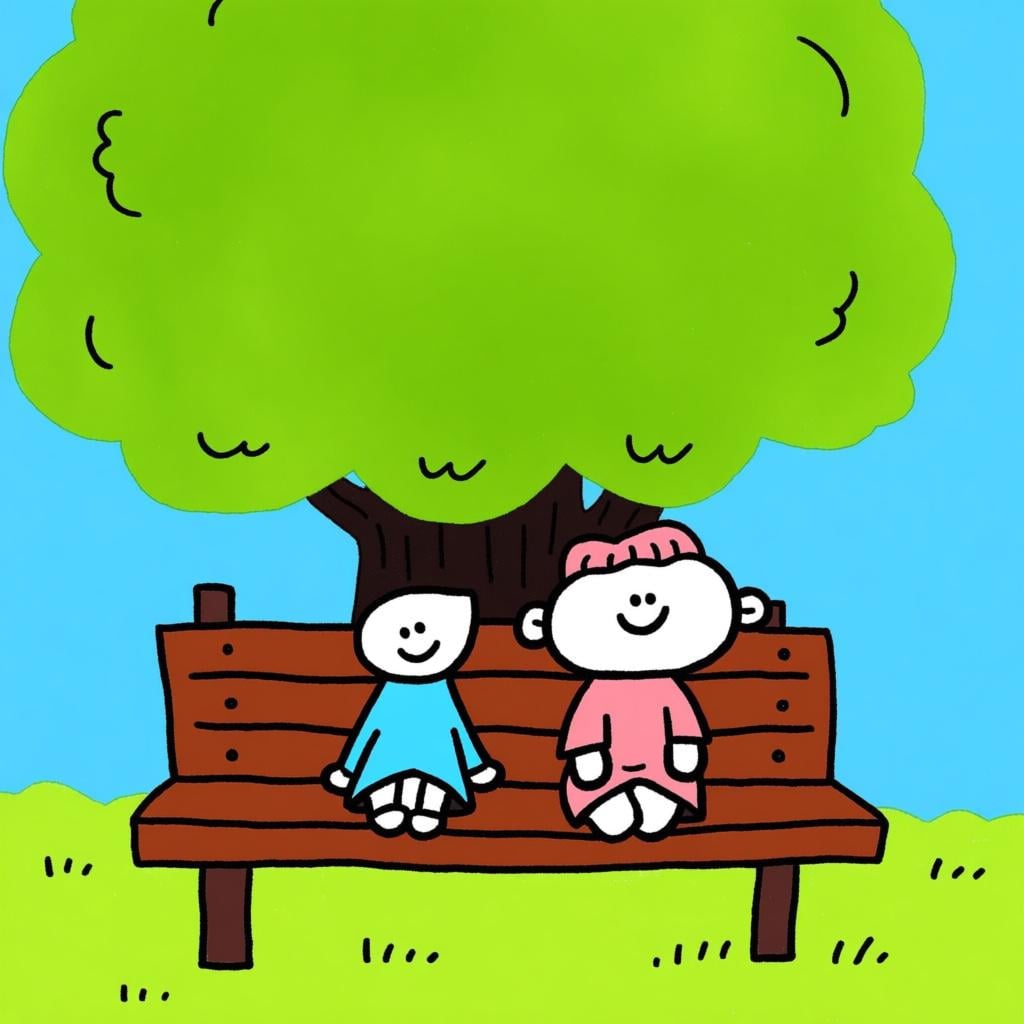
📝 In Action
Estábamos en el parque cuando empezó a llover.
A2We were in the park when it started to rain.
Ayer a las cinco, estábamos viendo una película.
A2Yesterday at five, we were watching a movie.
Estábamos muy cansados después del viaje.
A2We were very tired after the trip.
Antes, siempre estábamos juntos en las vacaciones.
B1Before, we were always together on vacation.
Indicative
Present
Imperfect
Preterite
Subjunctive
Present Subjunctive
Imperfect Subjunctive
✏️ Quick Practice
Quick Quiz: estábamos
Question 1 of 1
Which sentence correctly uses 'estábamos'?
📚 More Resources
👥 Word Family▼
🎵 Rhymes▼
📚 Etymology▼
Comes from the Latin word 'stāre,' which means 'to stand.' Over time, its meaning expanded in Spanish to describe being in a place or a certain condition, separate from the more permanent 'being' of the verb 'ser.'
First recorded: Used in early forms of Spanish, around the 10th century.
Cognates (Related words)
💡 Master Spanish
Take your Spanish to the next level. Read 200+ illustrated and narrated Spanish stories tailored to your level with the Inklingo app!
Frequently Asked Questions
What's the difference between 'estábamos' and 'estuvimos'?
Think of it like this: 'estábamos' is for describing the background scene or a continuous action in the past ('We were walking'). 'Estuvimos' is for a completed action with a clear beginning and end ('We were at the party for three hours').
And what about 'estábamos' vs. 'éramos'?
Both can mean 'we were,' but 'estábamos' (from estar) is for temporary conditions, locations, and moods (how you are). 'Éramos' (from ser) is for more permanent traits, identity, or characteristics (what you are).