evitando
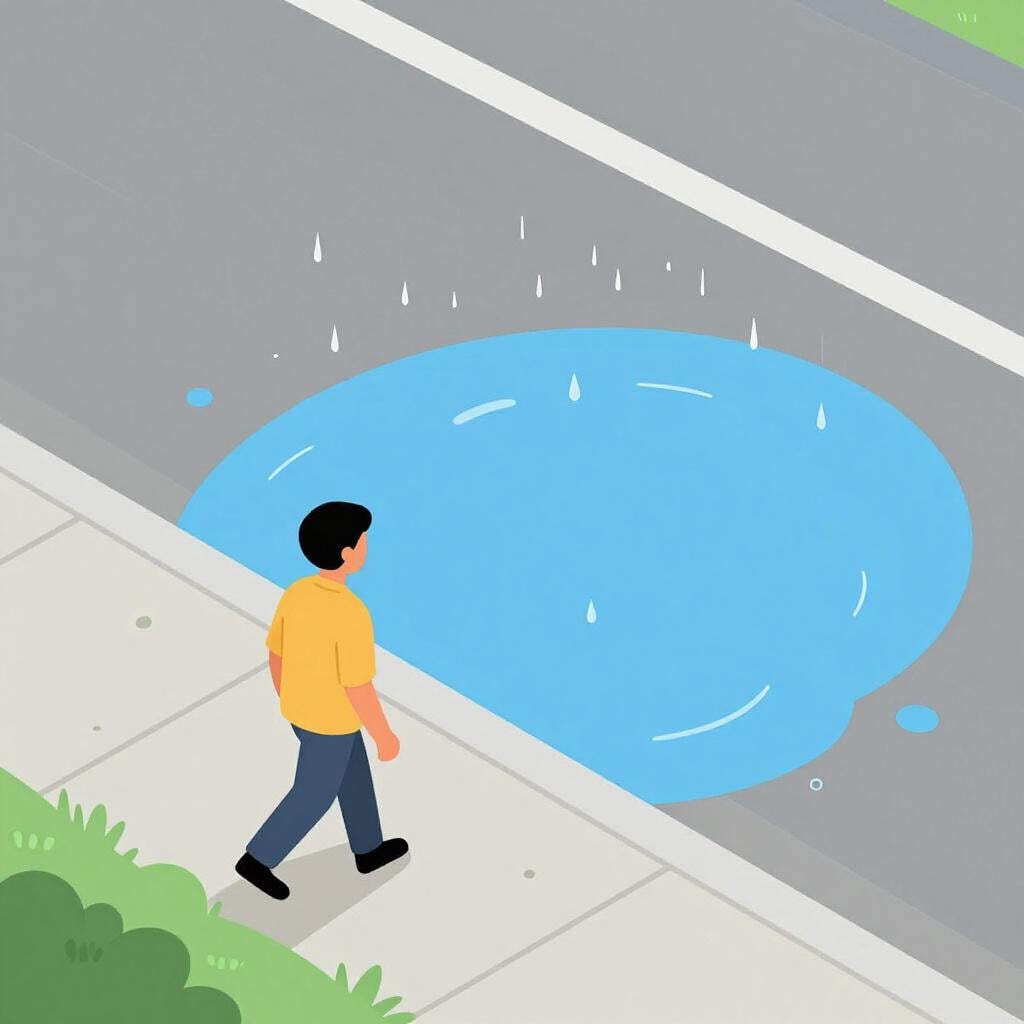
“evitando” means “avoiding” in Spanish (staying away from someone or something).
avoidingAlso: preventing, shunning
📝 In Action
Estoy evitando el tráfico del centro.
A2I am avoiding the downtown traffic.
Sigue una dieta sana, evitando las grasas.
B1He follows a healthy diet, avoiding fats.
Están evitando que el problema crezca.
B1They are preventing the problem from growing.
Word Connections
Subjunctive
Imperfect Subjunctive
Present Subjunctive
Indicative
Preterite
Imperfect
Present
Translate to Spanish
Words that translate to "evitando" in Spanish:
✏️ Quick Practice
Quick Quiz: evitando
Question 1 of 2
How do you say 'I am avoiding the rain'?
📚 More Resources
👥 Word Family
📚 Etymology
From the Latin word 'evitare', which combines 'e-' (out of) and 'vitare' (to shun). It literally means to move out of the path of something.
First recorded: 13th century
Cognates (Related words)
💡 Master Spanish
Take your Spanish to the next level. Read 200+ illustrated and narrated Spanish stories tailored to your level with the Inklingo app!
Frequently Asked Questions
Does 'evitando' change for gender or number?
No. When used as a verb form (the gerund), 'evitando' always stays exactly the same, whether you are talking about a man, a woman, or a group of people.
Is 'evitando' the same as 'esquivando'?
They are very close! 'Evitando' is general (avoiding a situation, a person, or a thing), while 'esquivando' is usually for physical movement, like dodging a ball or a puddle.