faro
“faro” means “lighthouse” in Spanish. It has 3 different meanings depending on context:


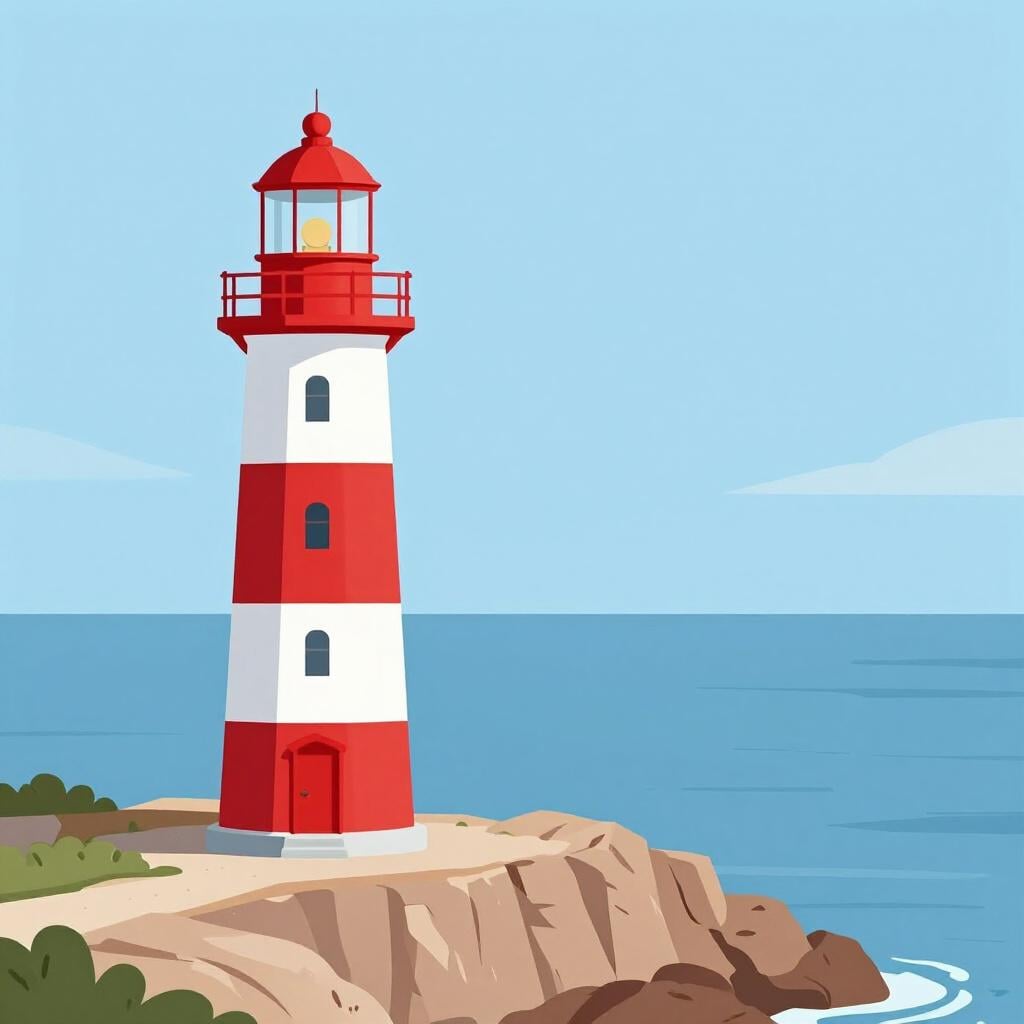
lighthouseAlso: beacon
📝 In Action
Vimos la luz del faro desde el barco.
A1We saw the light from the lighthouse from the boat.
El faro está en lo alto del acantilado.
A2The lighthouse is at the top of the cliff.
Word Connections
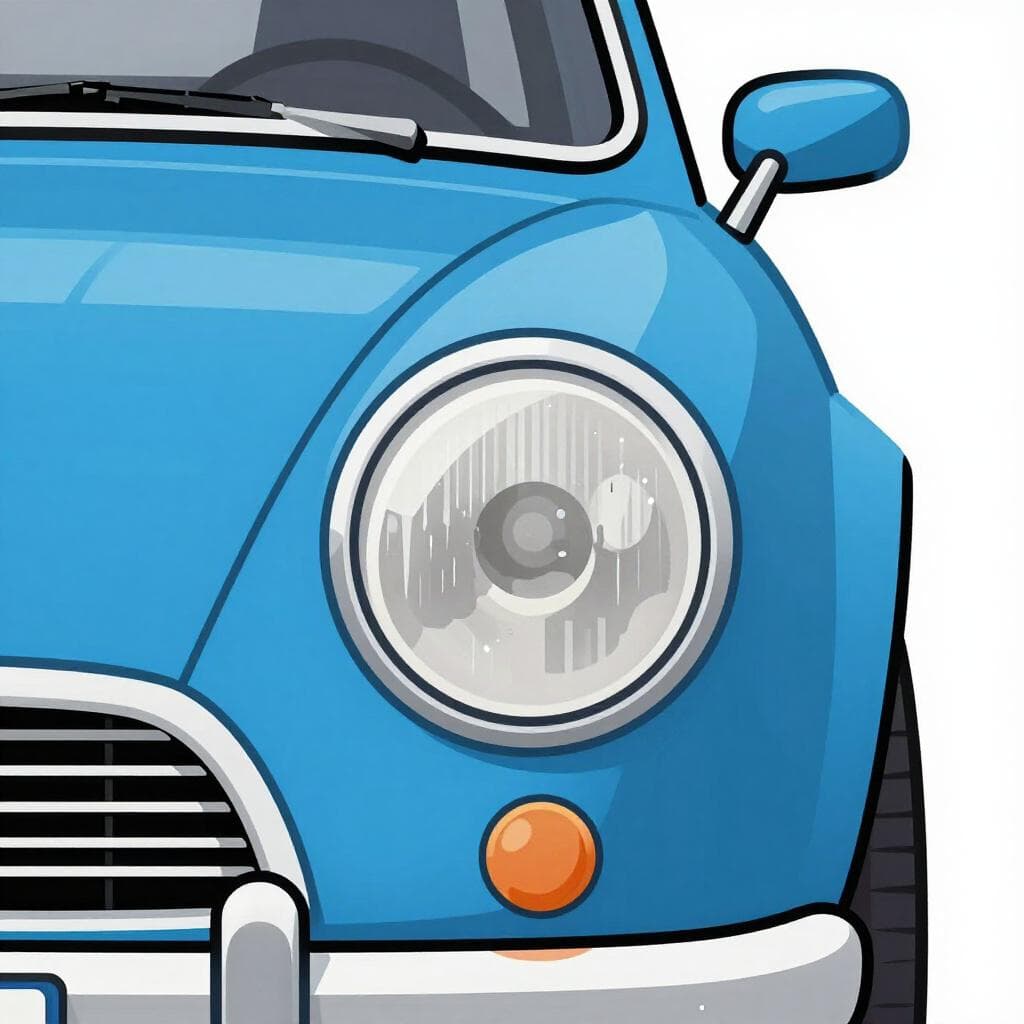
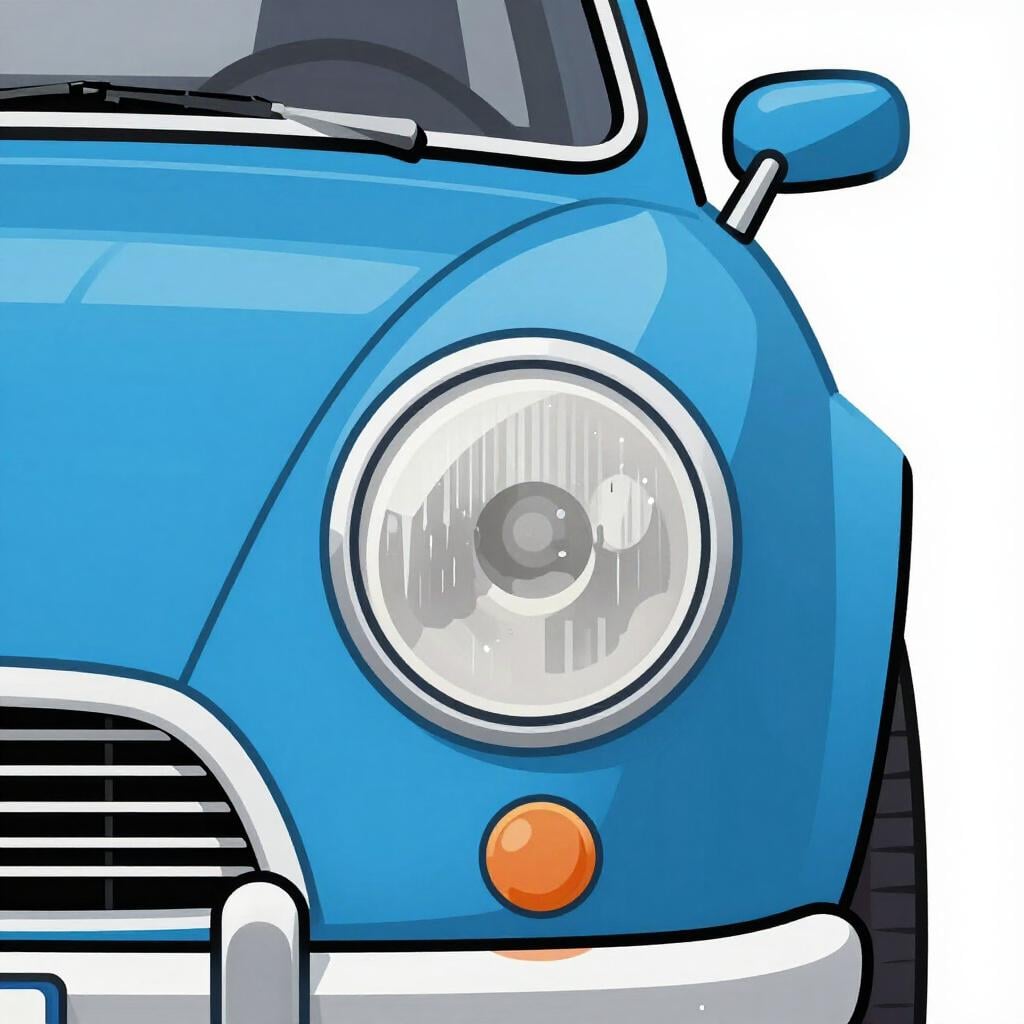
headlightAlso: headlamp
📝 In Action
Tienes que encender los faros del coche porque ya es de noche.
A2You have to turn on the car's headlights because it's already night.
Se rompió el faro izquierdo en el accidente.
B1The left headlight broke in the accident.
Word Connections
guiding lightAlso: beacon

📝 In Action
Sus palabras fueron un faro de esperanza para nosotros.
B2Her words were a beacon of hope for us.
Él siempre ha sido mi faro en los momentos difíciles.
C1He has always been my guiding light in difficult times.
Word Connections
Translate to Spanish
Words that translate to "faro" in Spanish:
✏️ Quick Practice
Quick Quiz: faro
Question 1 of 2
If you are driving at night and can't see the road, what should you turn on?
📚 More Resources
👥 Word Family
📚 Etymology
Comes from the Greek word 'Pharos,' which was the name of the small island where the famous Great Lighthouse of Alexandria stood in ancient times.
First recorded: 13th century
Cognates (Related words)
💡 Master Spanish
Take your Spanish to the next level. Read 200+ illustrated and narrated Spanish stories tailored to your level with the Inklingo app!
Frequently Asked Questions
Is 'faro' always masculine?
Yes, 'faro' is always a masculine noun. You should always use 'el faro' or 'los faros'.
Can I use 'faro' for a flashlight?
No, a handheld flashlight is usually called 'una linterna'. 'Faro' is reserved for large stationary lighthouses or the powerful lights on vehicles.