fauna
“fauna” means “wildlife” in Spanish. It has 2 different meanings depending on context:
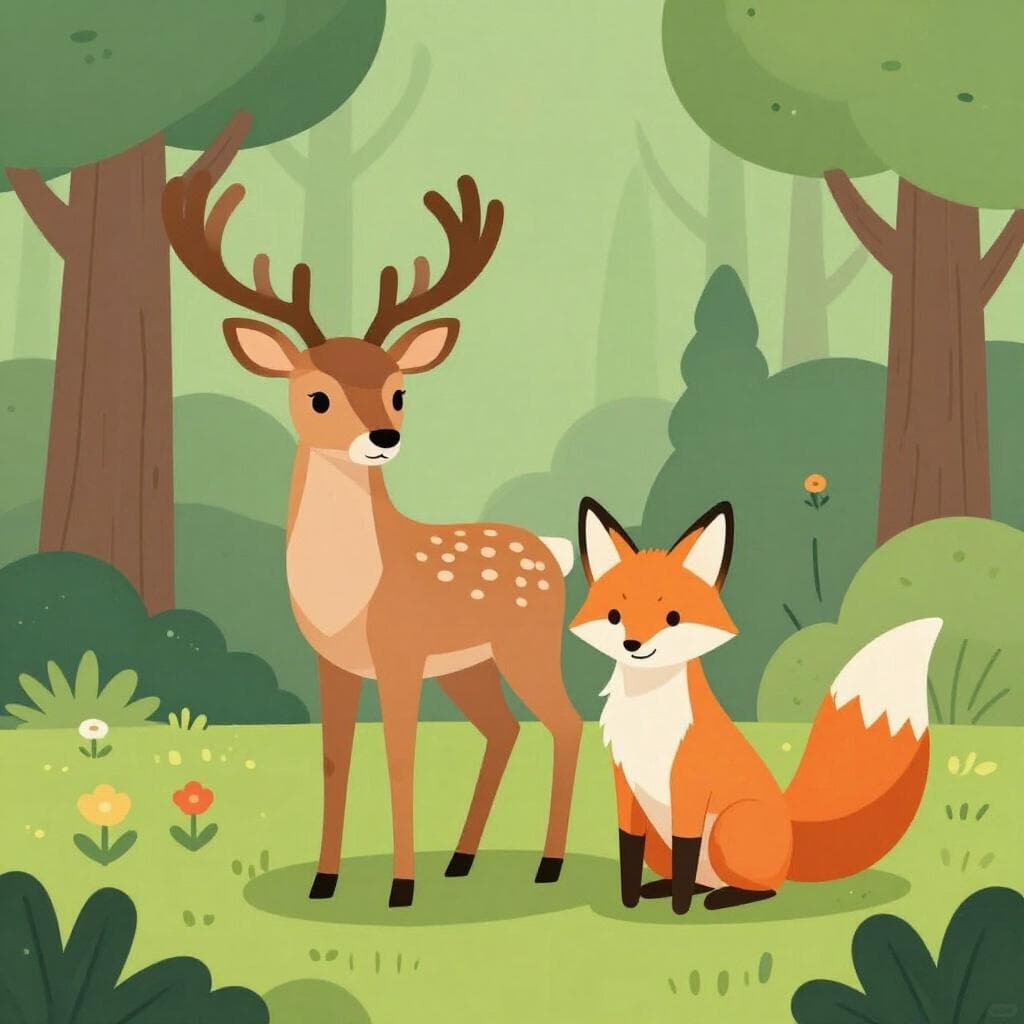

wildlife
Also: fauna
📝 In Action
La fauna de las islas Galápagos es única en el mundo.
A2The wildlife of the Galapagos Islands is unique in the world.
Es importante proteger la fauna silvestre de los incendios.
B1It is important to protect wild animals from fires.
El guía nos explicó los detalles de la fauna local.
B1The guide explained the details of the local wildlife to us.
crowd
Also: zoo
📝 In Action
Hay una fauna muy extraña en este bar nocturno.
B2There's a very strange crowd in this night bar.
Me gusta observar la fauna urbana en el parque.
C1I like to observe the urban characters in the park.
Vocabulary Collections
Translate to Spanish
✏️ Quick Practice
Quick Quiz: fauna
Question 1 of 3
If you are talking about the birds, mammals, and insects in a forest, which word is most professional?
📚 More Resources
👥 Word Family▼
🎵 Rhymes▼
📚 Etymology▼
From the Latin 'Fauna', who was a Roman goddess of the fields and the sister or wife of Faunus, the god of animals and nature.
First recorded: 18th Century
Cognates (Related words)
💡 Master Spanish
Take your Spanish to the next level. Read 200+ illustrated and narrated Spanish stories tailored to your level with the Inklingo app!
Frequently Asked Questions
Is 'fauna' always singular?
Yes, in 99% of cases. It is a collective noun (like 'family' or 'team'). You only use 'faunas' if you are comparing the wildlife of multiple different regions.
What is the difference between 'fauna' and 'animales'?
'Animales' is the general word for animals. 'Fauna' is a collective term used to describe all the animal life in a specific place or time.
Is it rude to use 'fauna' to describe people?
It can be. It's often used ironically or humorously. If you use it to describe your friends at a party, it's fine. If you use it to describe a group you don't like, it sounds like you're comparing them to wild animals.