fijación
“fijación” means “fixation” in Spanish. It has 2 different meanings depending on context:

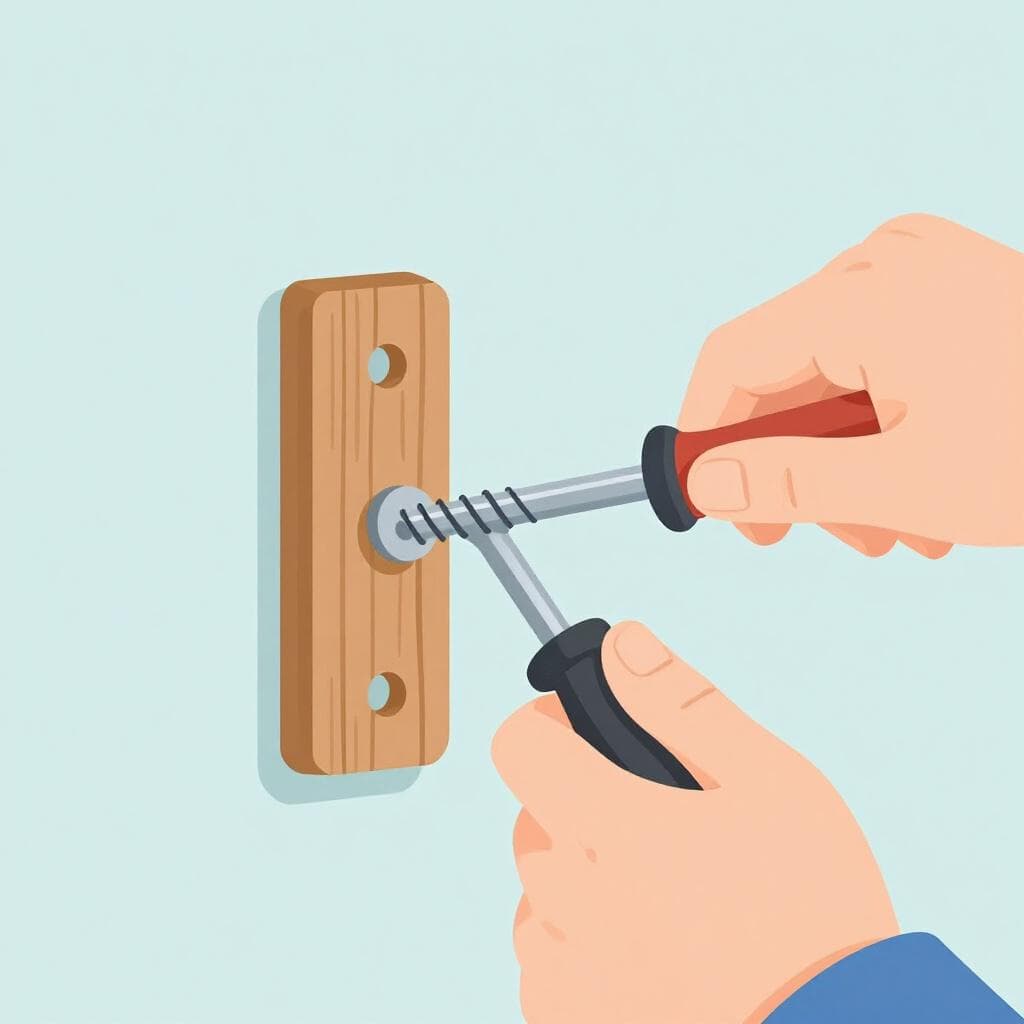
fixation, obsession
Also: hang-up
📝 In Action
Él tiene una fijación con los videojuegos antiguos.
A2He has a fixation with old video games.
Su fijación por la limpieza a veces es exagerada.
B1Her obsession with cleaning is sometimes exaggerated.
Es una fijación mental que no le permite ver otras opciones.
B2It is a mental fixation that doesn't allow him to see other options.
fixing, setting
Also: attachment, fixation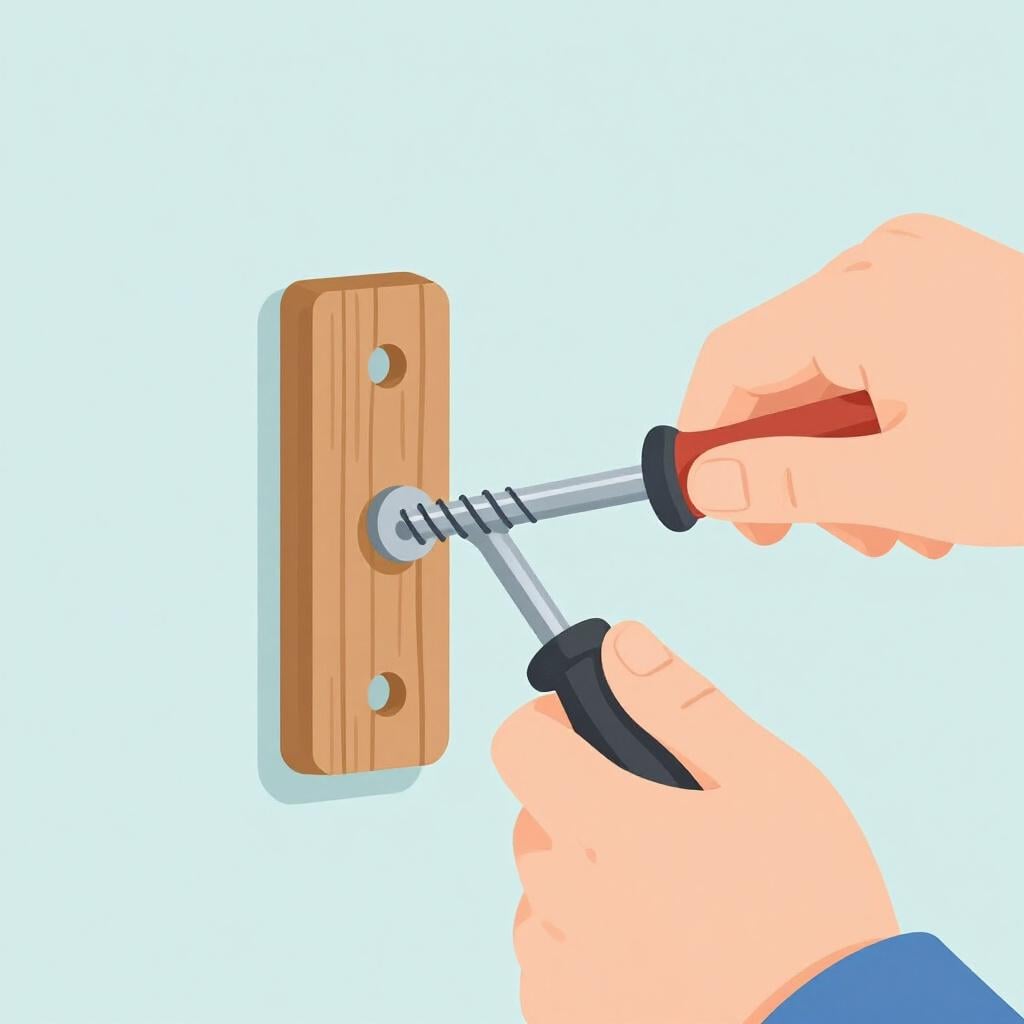
📝 In Action
La fijación de los precios depende del mercado.
B2The setting of prices depends on the market.
Necesitamos una mejor fijación para este estante.
B1We need a better fastening for this shelf.
La fijación de nitrógeno es vital para las plantas.
C1Nitrogen fixation is vital for plants.
✏️ Quick Practice
Quick Quiz: fijación
Question 1 of 3
Which of these is the correct plural form of 'fijación'?
📚 More Resources
👥 Word Family▼
🎵 Rhymes▼
📚 Etymology▼
From the Latin word 'fixio', which describes the act of fastening or making something firm. It shares the same root as the English word 'fix'.
First recorded: 13th century
Cognates (Related words)
💡 Master Spanish
Take your Spanish to the next level. Read 200+ illustrated and narrated Spanish stories tailored to your level with the Inklingo app!
Frequently Asked Questions
Can I use 'fijación' to mean I'm fixing a broken toy?
No. In that case, you should use 'reparación' or the verb 'arreglar'. 'Fijación' means attaching something so it doesn't move, or setting a rule/price.
Is 'fijación' always a negative thing?
Not necessarily. While it often implies an obsession, in technical or business contexts (like 'fijación de metas'), it is a neutral or positive act of organization.
What's the difference between 'fijación' and 'obsesión'?
They are very similar. 'Obsesión' is more common for feelings, while 'fijación' is often used when someone is stuck on a specific idea or detail.