flauta
“flauta” means “flute” in Spanish. It has 2 different meanings depending on context:
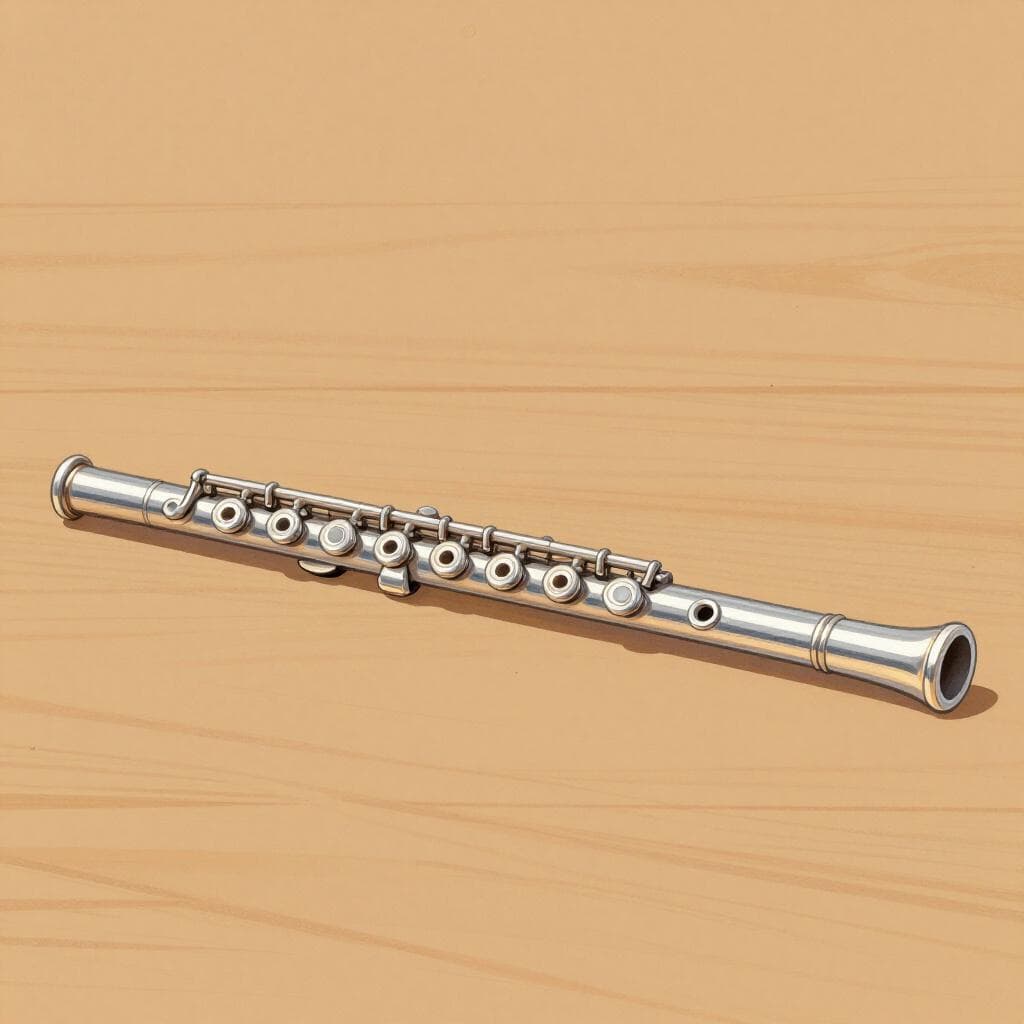
flute
Also: recorder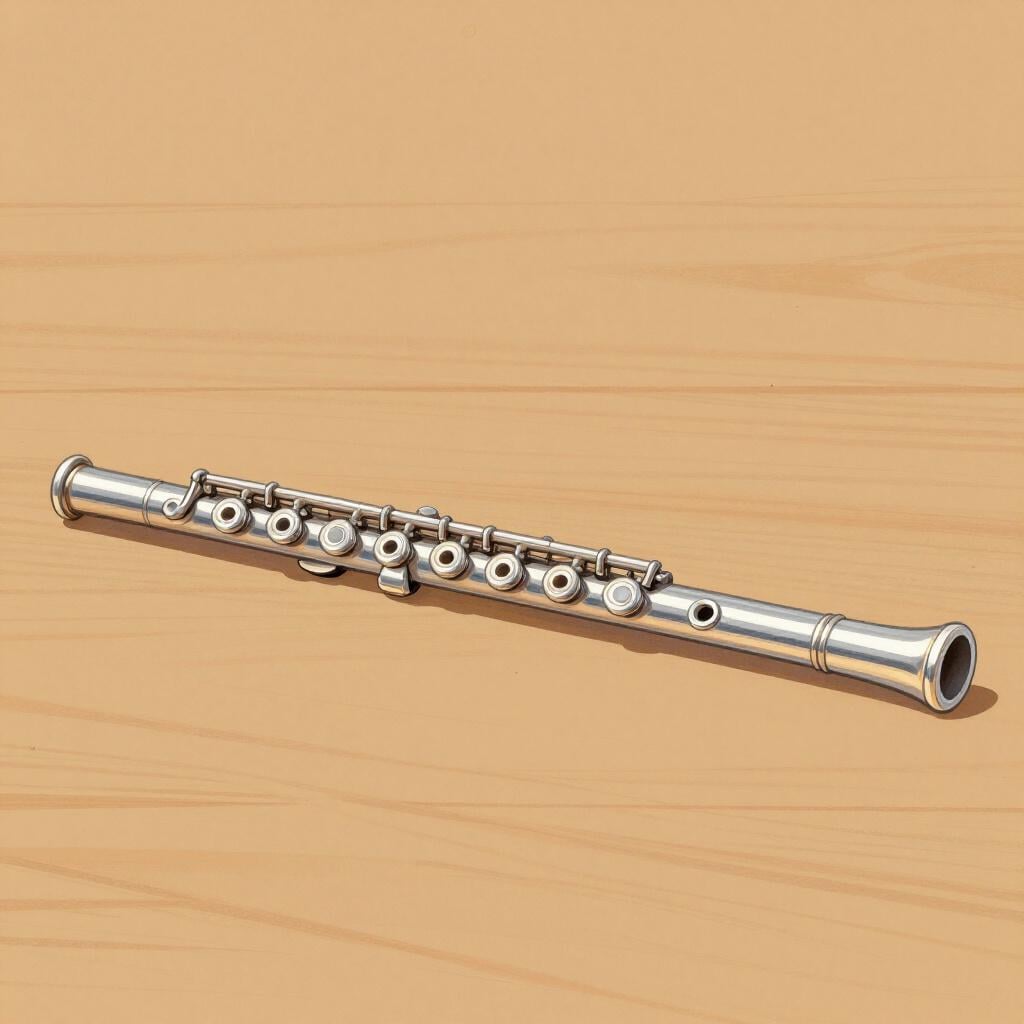
📝 In Action
Mi hermana toca la flauta en la banda del colegio.
A1My sister plays the flute in the school band.
La flauta dulce es un instrumento muy común en las clases de música.
A2The recorder is a very common instrument in music classes.
El sonido de la flauta travesera es elegante y brillante.
B1The sound of the Western concert flute is elegant and bright.
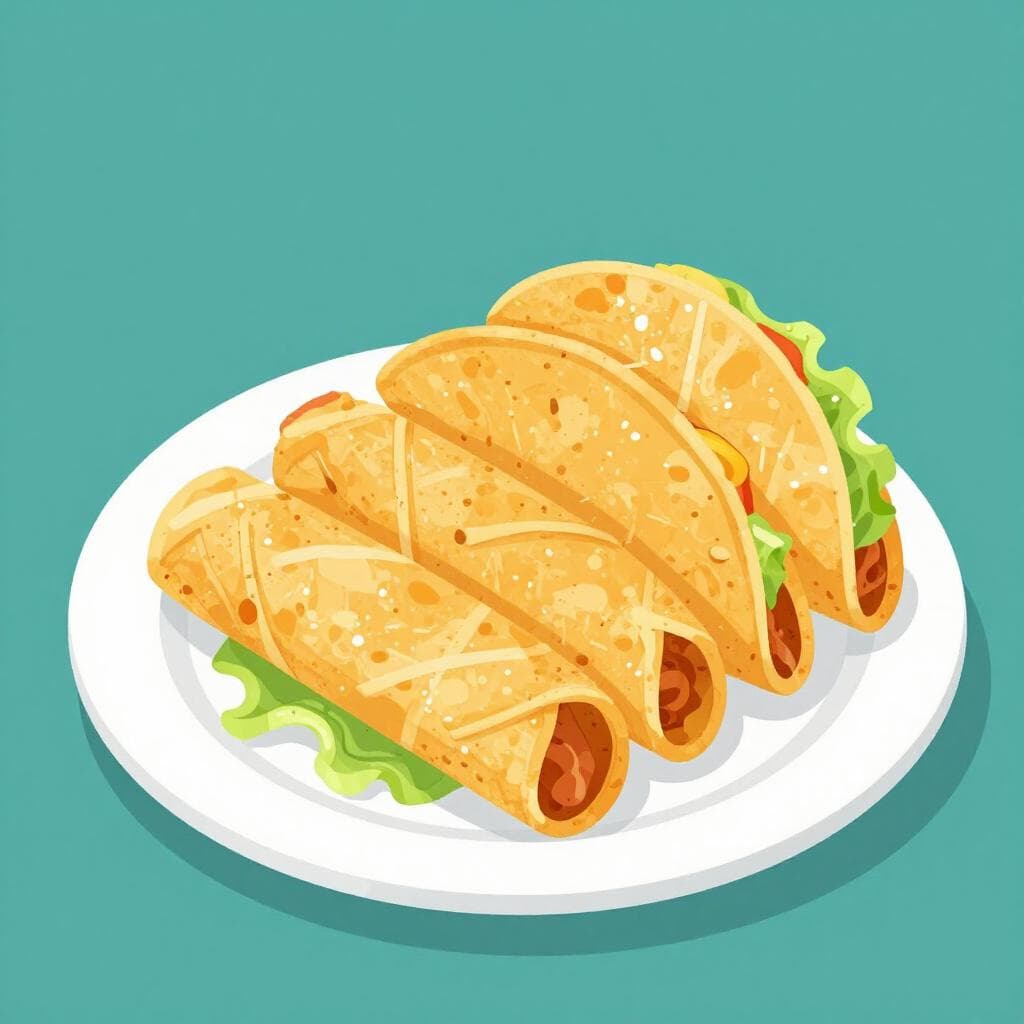
flauta
Also: baguette
📝 In Action
Pedí una orden de flautas de pollo con mucha salsa.
A2I ordered a plate of chicken flautas with lots of salsa.
Las flautas estaban muy crujientes y deliciosas.
B1The flautas were very crispy and delicious.
Compré una flauta de pan para hacer bocadillos.
B2I bought a thin baguette to make sandwiches.
✏️ Quick Practice
Quick Quiz: flauta
Question 1 of 3
If someone 'toca la flauta', what are they doing?
📚 More Resources
👥 Word Family▼
🎵 Rhymes▼
📚 Etymology▼
From the Old French word 'flaute', which likely came from the Latin word 'flare', meaning 'to blow' or 'to breathe'.
First recorded: 13th century
Cognates (Related words)
💡 Master Spanish
Take your Spanish to the next level. Read 200+ illustrated and narrated Spanish stories tailored to your level with the Inklingo app!
Frequently Asked Questions
Is 'flauta' masculine or feminine?
It is feminine. You should always say 'la flauta' or 'una flauta'.
What does the expression 'por sonar la flauta' mean?
It means someone succeeded by total luck or by accident, like a donkey happening to blow into a flute and making a sound.
Can 'flauta' mean a loaf of bread?
Yes, especially in Spain, where it refers to a very long and thin baguette.