fronteras
“fronteras” means “borders” in Spanish. It has 2 different meanings depending on context:
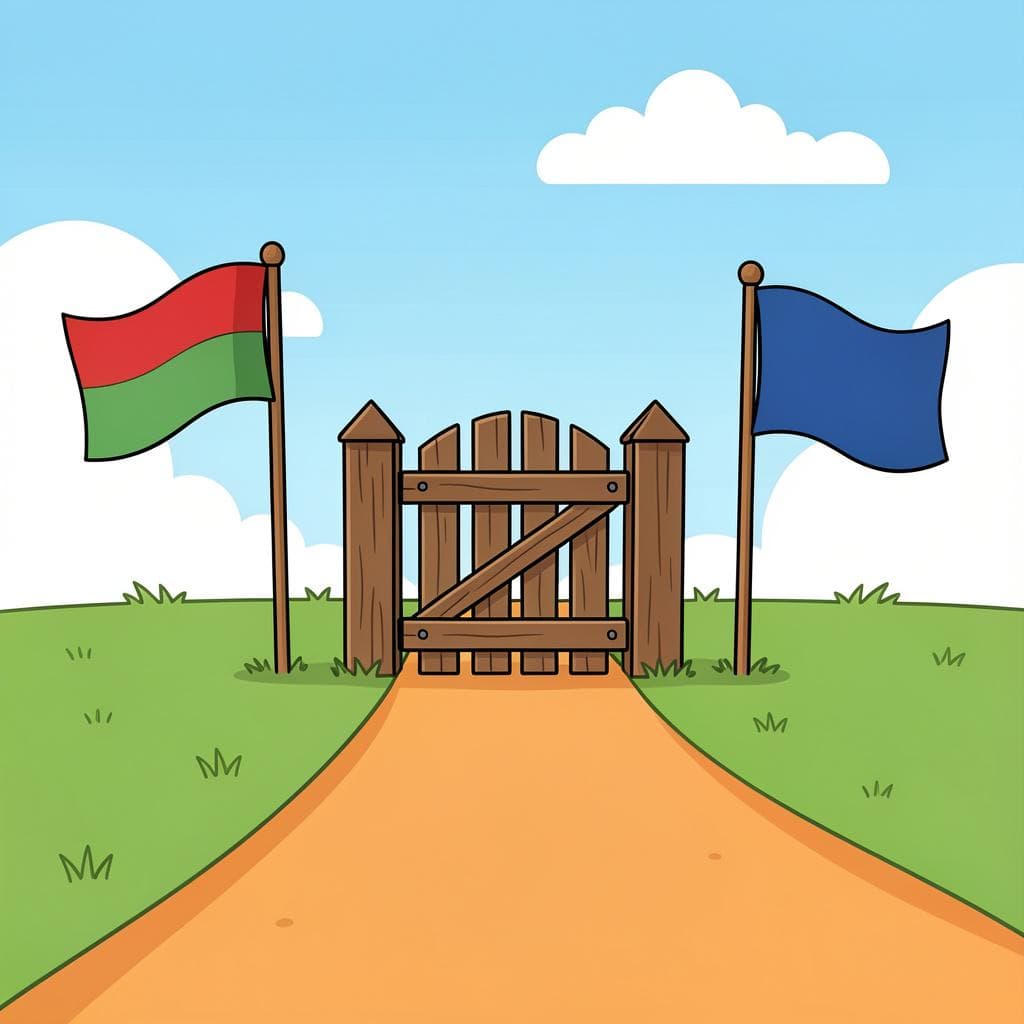

borders
Also: frontiers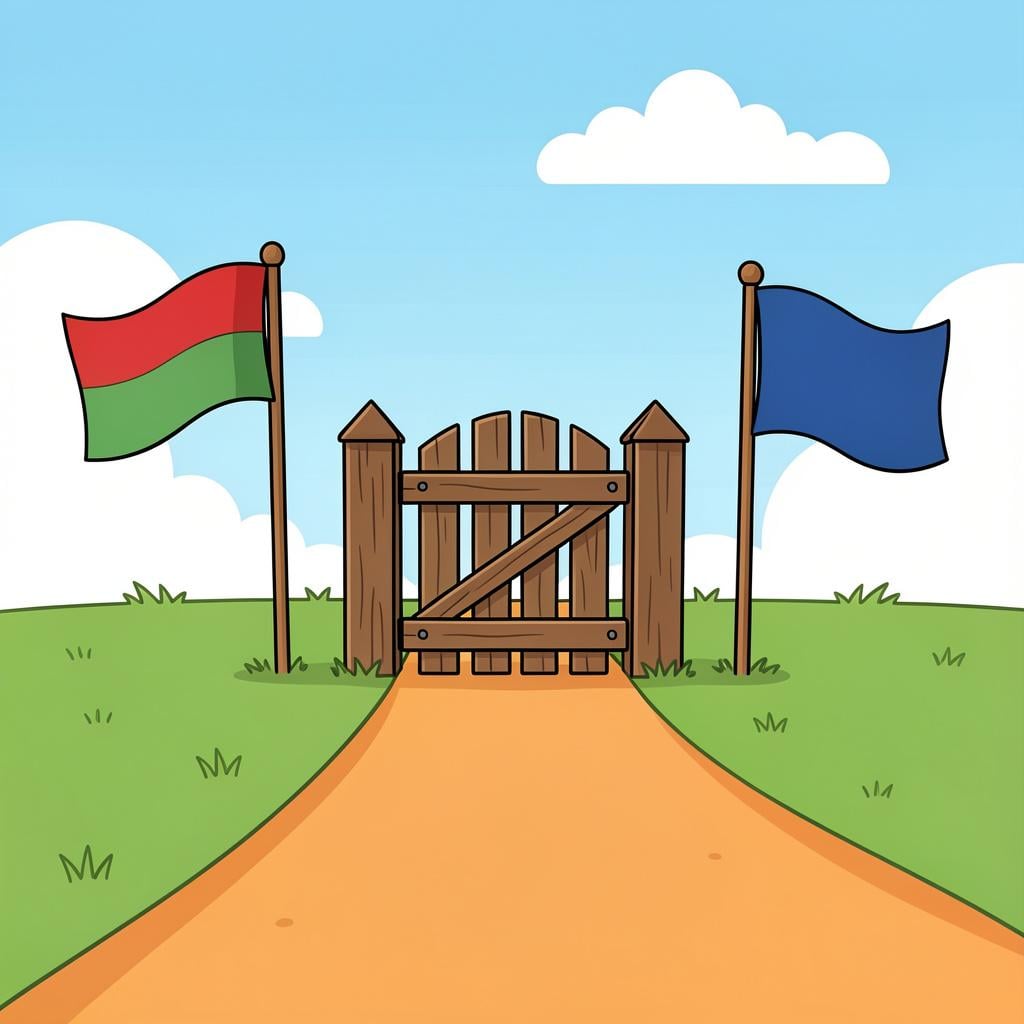
📝 In Action
Muchos turistas cruzan las fronteras cada día.
A2Many tourists cross the borders every day.
Las fronteras de este país están cerradas hoy.
A2The borders of this country are closed today.
boundaries
Also: limits
📝 In Action
La ciencia busca expandir las fronteras del conocimiento.
B2Science seeks to expand the boundaries of knowledge.
Su imaginación no tiene fronteras.
B1His imagination has no boundaries.
Vocabulary Collections
Translate to Spanish
✏️ Quick Practice
Quick Quiz: fronteras
Question 1 of 2
Which of these best describes 'las fronteras'?
📚 More Resources
👥 Word Family▼
📚 Etymology▼
Comes from the Latin word 'frons' (meaning 'forehead' or 'front'). It originally referred to the 'front line' of a territory facing another.
First recorded: 13th century
Cognates (Related words)
💡 Master Spanish
Take your Spanish to the next level. Read 200+ illustrated and narrated Spanish stories tailored to your level with the Inklingo app!
Frequently Asked Questions
Is 'fronteras' always plural?
No, you can use the singular 'frontera' when talking about a specific border (e.g., 'the border between Spain and France'). Use the plural when talking about borders in general.
What is the difference between 'frontera' and 'borde'?
'Frontera' is for countries and big territories. 'Borde' is for the edge of small objects like a plate, a table, or a piece of paper.