halcón
“halcón” means “falcon” in Spanish. It has 2 different meanings depending on context:
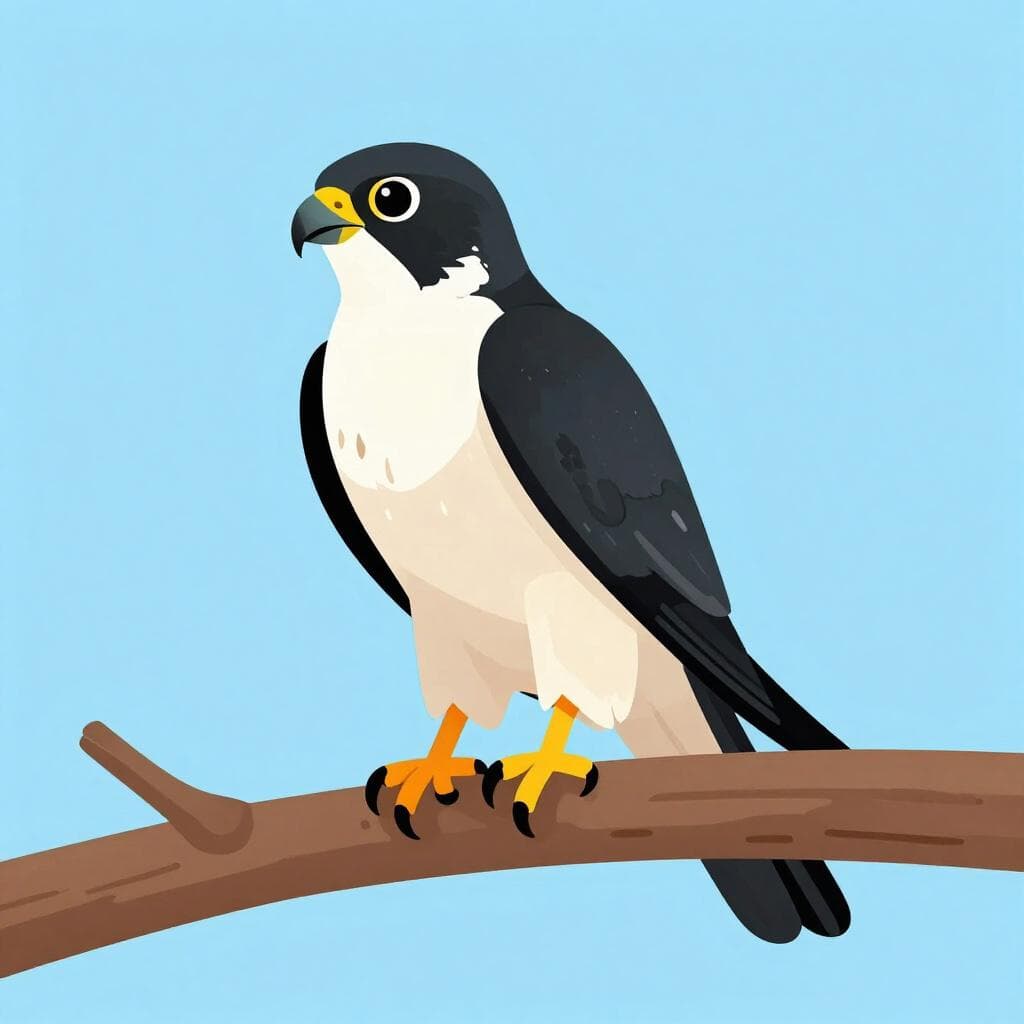
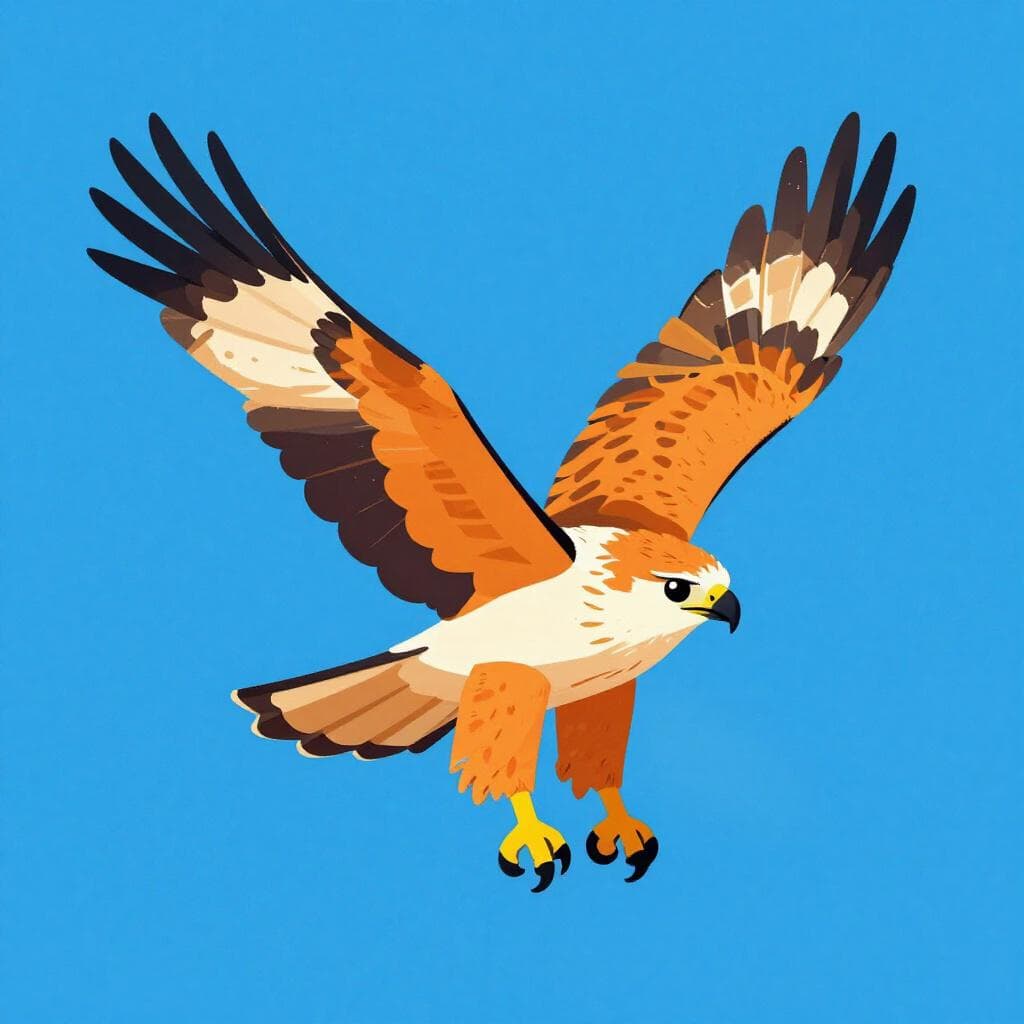
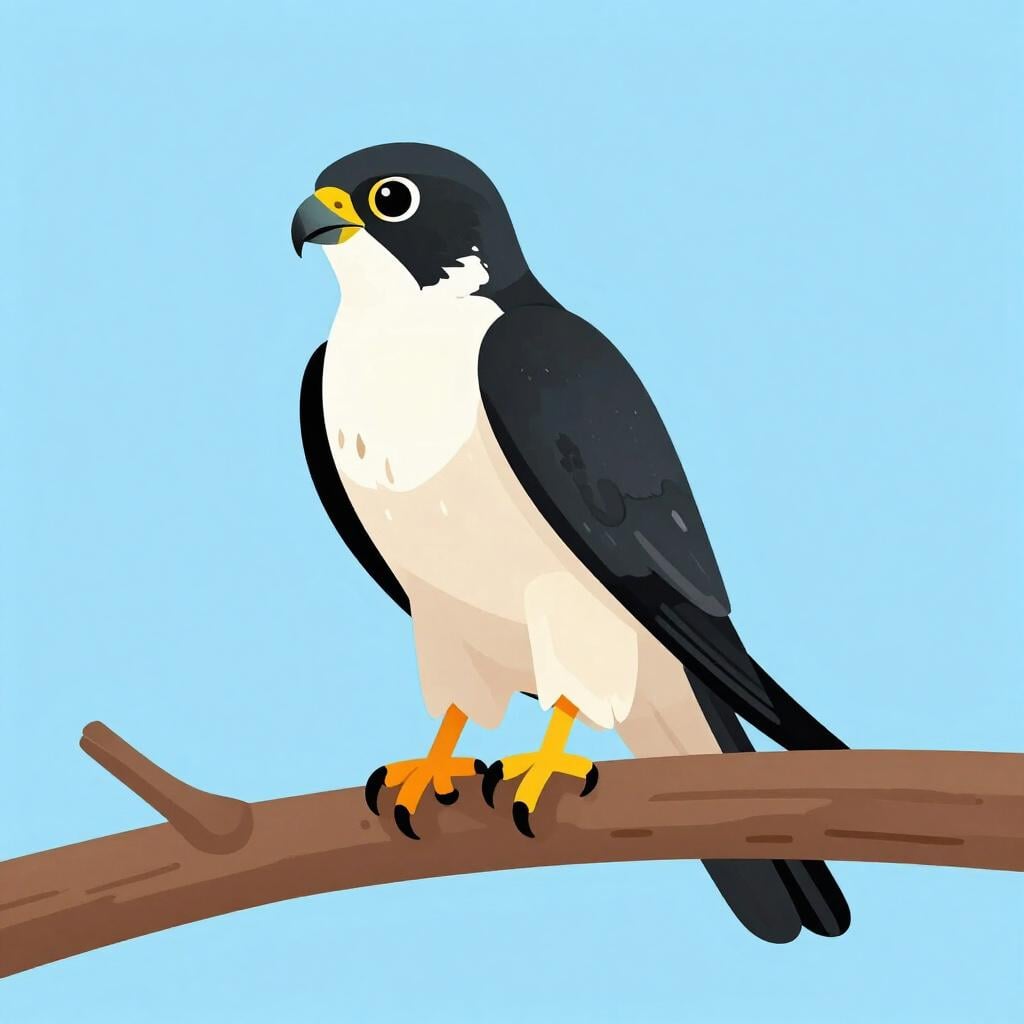
falconAlso: hawk
📝 In Action
El halcón vuela muy alto para buscar su presa.
A2The falcon flies very high to look for its prey.
Tienes ojos de halcón; nada se te escapa.
B1You have eyes like a hawk; nothing gets past you.
Vimos un halcón peregrino en el acantilado.
B2We saw a peregrine falcon on the cliff.
Word Connections
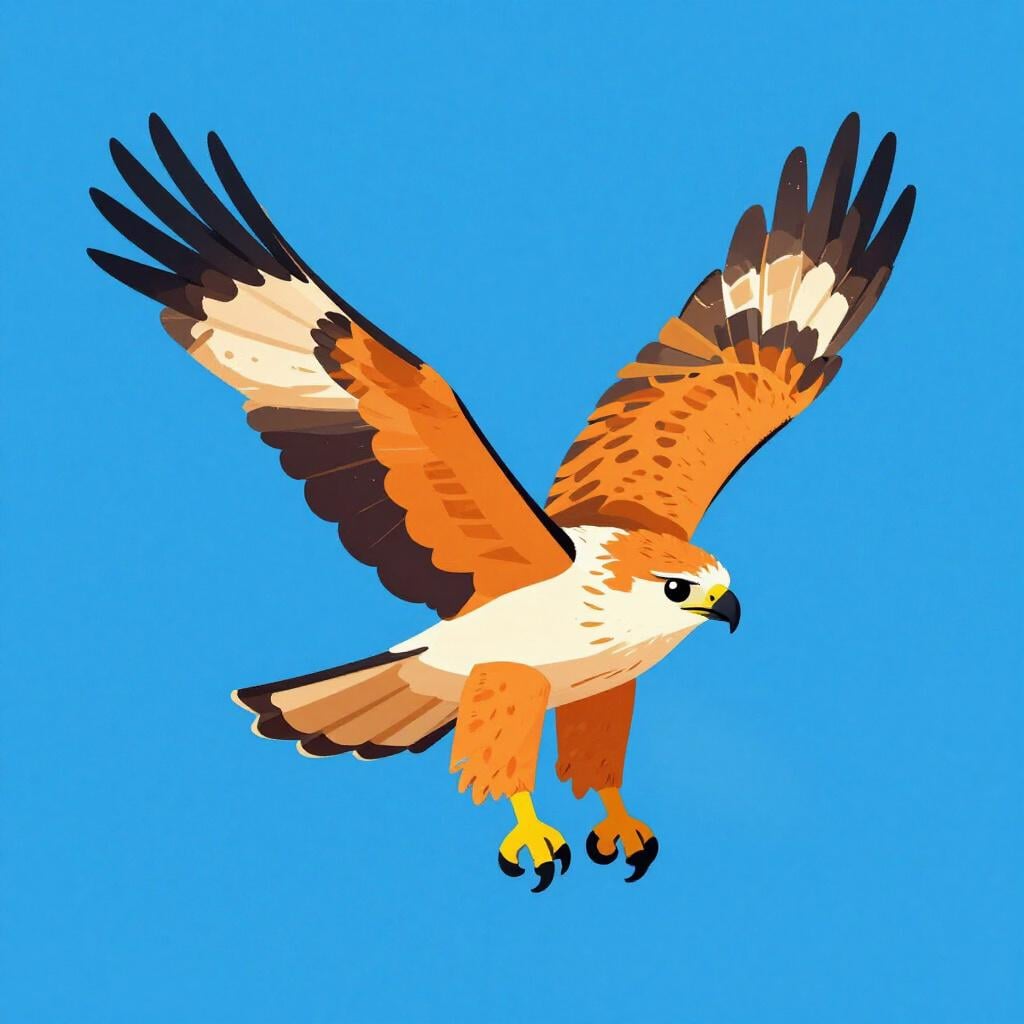
hawk
📝 In Action
Los halcones del partido presionan para aumentar el presupuesto militar.
B2The party hawks are pushing to increase the military budget.
En política, a menudo hay un conflicto entre halcones y palomas.
C1In politics, there is often a conflict between hawks and doves.
Su postura como halcón lo hace popular entre los sectores más conservadores.
C1His stance as a hawk makes him popular among the most conservative sectors.
Word Connections
Vocabulary Collections
Translate to Spanish
✏️ Quick Practice
Quick Quiz: halcón
Question 1 of 3
If you are in a meeting and someone calls a politician a 'halcón', what do they mean?
📚 More Resources
👥 Word Family
🎵 Rhymes
📚 Etymology
From the Late Latin word 'falco', which likely comes from 'falx' (meaning 'sickle') because of the curved shape of the bird's claws and beak.
First recorded: 13th century
Cognates (Related words)
💡 Master Spanish
Take your Spanish to the next level. Read 200+ illustrated and narrated Spanish stories tailored to your level with the Inklingo app!
Frequently Asked Questions
Is the 'H' in halcón pronounced?
No, in Spanish the letter 'H' is always silent. It sounds like it starts with the 'a' sound.
Is 'halcón' the same as 'águila'?
No. While both are birds of prey, an 'águila' is an eagle (usually larger), and a 'halcón' is a falcon.
What does 'ojo de halcón' mean?
It means 'hawk-eye.' It's used to describe someone who has excellent vision or is very good at noticing small details.