hinchado
“hinchado” means “swollen” in Spanish. It has 2 different meanings depending on context:
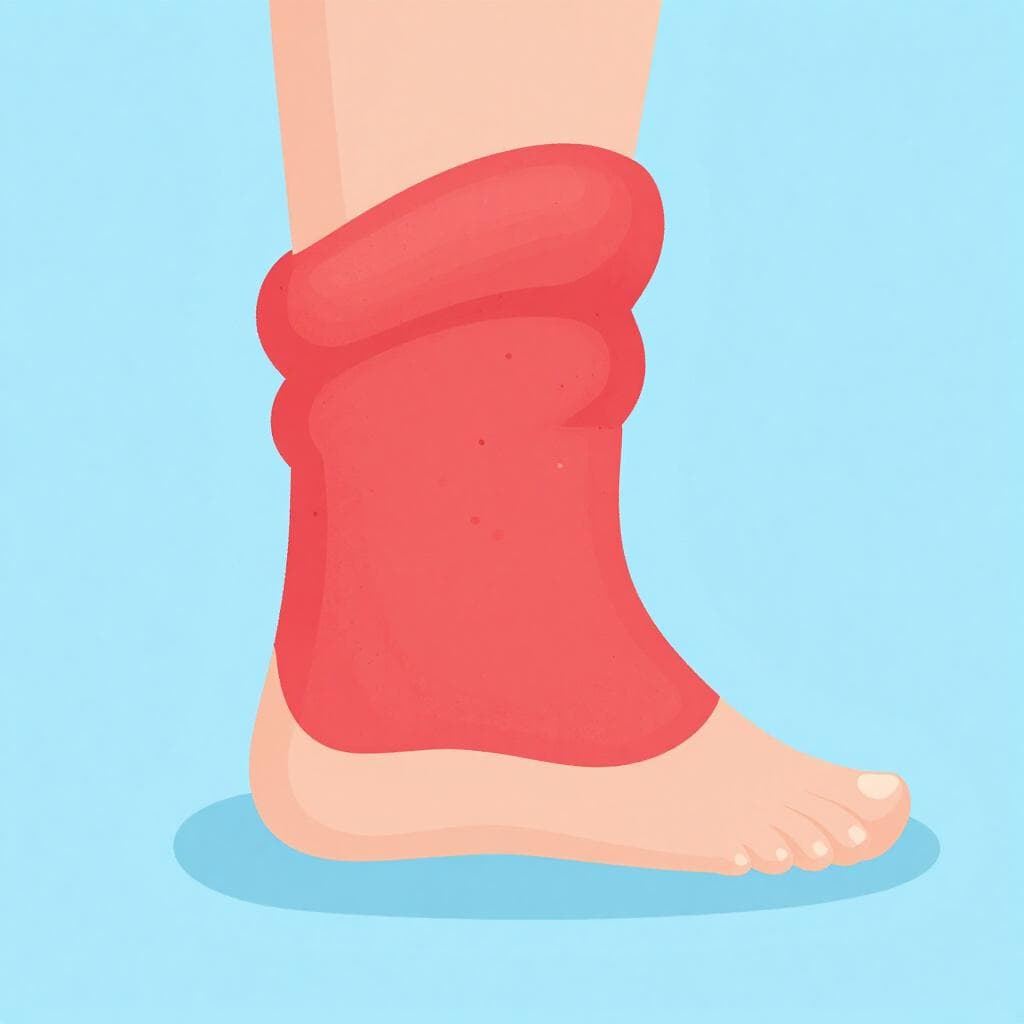

swollen
Also: puffy, bloated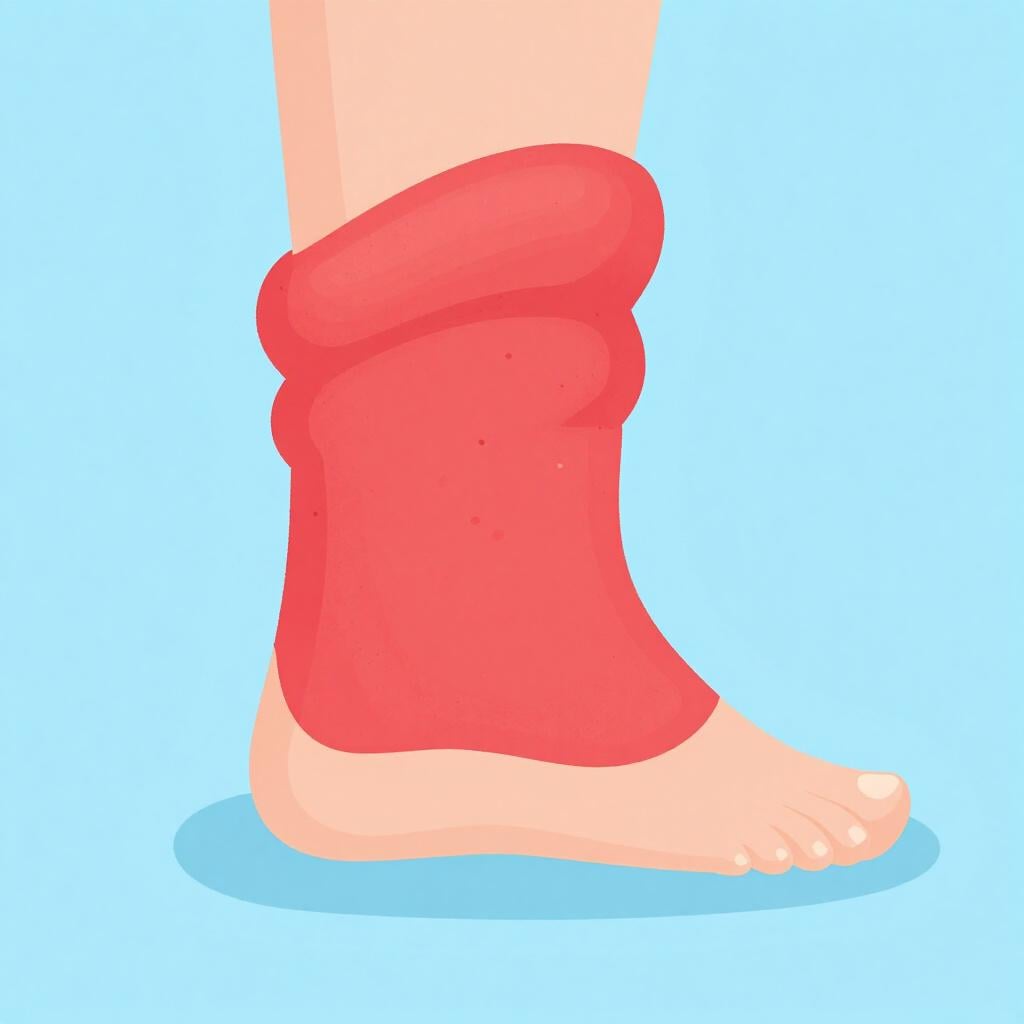
📝 In Action
Tengo el tobillo muy hinchado después de jugar al fútbol.
A2My ankle is very swollen after playing soccer.
Sus ojos estaban hinchados porque no durmió bien.
B1Her eyes were puffy because she didn't sleep well.
Me siento un poco hinchado después de esa cena tan grande.
B1I feel a bit bloated after that big dinner.
conceited
Also: puffed up, bombastic
📝 In Action
Está hinchado de orgullo por el éxito de su hijo.
B2He is puffed up with pride over his son's success.
No me gusta su discurso, utiliza un lenguaje muy hinchado.
C1I don't like his speech; he uses very bombastic language.
Translate to Spanish
✏️ Quick Practice
Quick Quiz: hinchado
Question 1 of 3
If you hit your thumb with a hammer, how would you describe it?
📚 More Resources
👥 Word Family▼
📚 Etymology▼
From the Latin word 'inflatus,' which means 'blown into' or 'puffed up.' It is the same root that gives us the English word 'inflate.'
First recorded: 13th century
Cognates (Related words)
💡 Master Spanish
Take your Spanish to the next level. Read 200+ illustrated and narrated Spanish stories tailored to your level with the Inklingo app!
Frequently Asked Questions
Can I use 'hinchado' for a balloon?
While it technically means inflated, for balloons we usually say 'inflado'. 'Hinchado' is more common for things that aren't supposed to be big, like a swollen eye.
Is 'hinchado' a verb or an adjective?
It can be both! It is the past form of the verb 'hinchar' (inflated/swelled), but it is most often used as an adjective to describe the state of being swollen.
Does 'hinchada' mean a 'swollen woman'?
As an adjective, yes (una mujer hinchada). But 'la hinchada' is also a very common noun in Latin America meaning 'the fans' or 'the crowd' at a soccer game!