How to Say "swollen" in Spanish
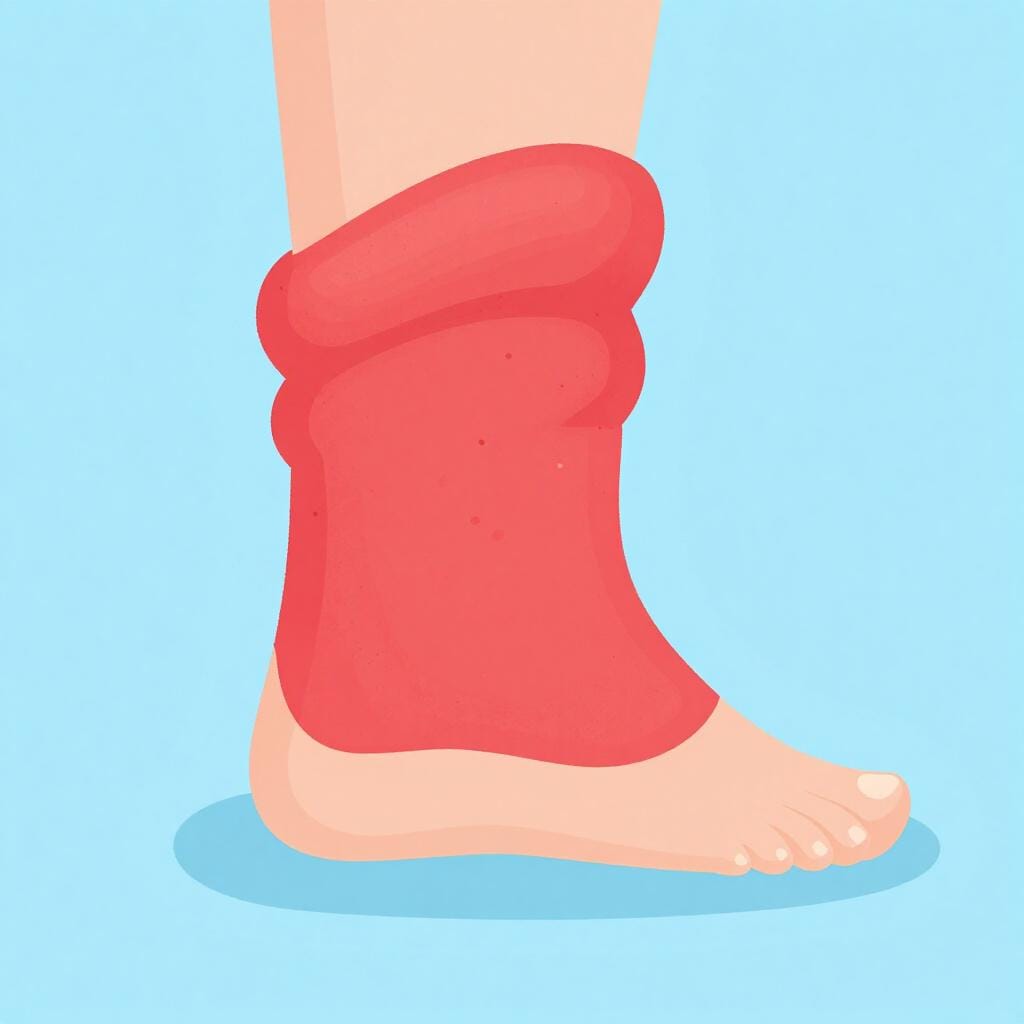
The most common Spanish word for “swollen” is “hinchado” — use 'hinchado' when referring to physical inflammation or swelling of a body part due to injury, allergies, or medical conditions.
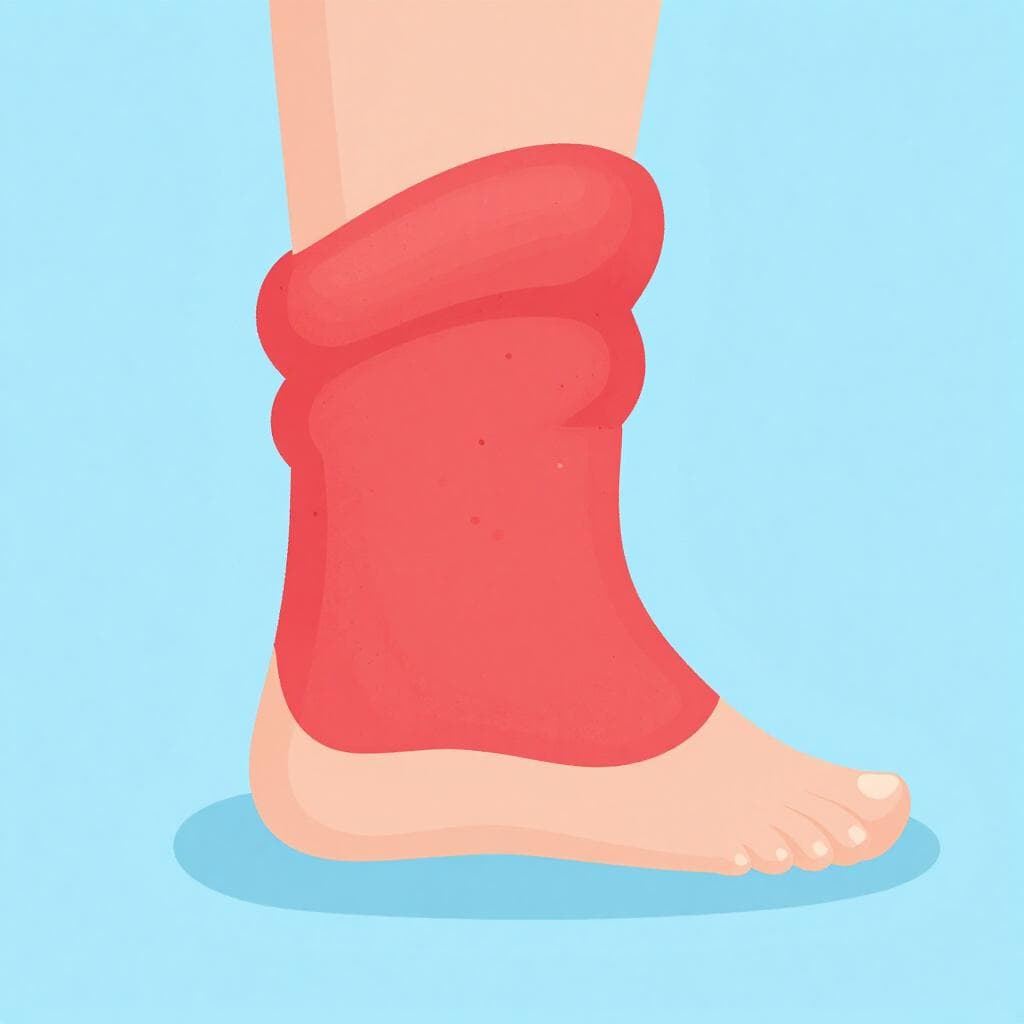

hinchado
een-CHAH-dohinˈtʃado
Examples
Tengo el tobillo muy hinchado después de jugar al fútbol.
My ankle is very swollen after playing soccer.
Sus ojos estaban hinchados porque no durmió bien.
Her eyes were puffy because she didn't sleep well.
Me siento un poco hinchado después de esa cena tan grande.
I feel a bit bloated after that big dinner.
Use with 'Estar'
Since being swollen is usually a temporary condition or a state, always use 'estar' instead of 'ser'.
Gender and Number Match
The ending changes to match what you are talking about: 'un dedo hinchado' (one swollen finger) but 'las manos hinchadas' (swollen hands).
The 'Ser' vs 'Estar' Trap
Mistake: “Mi brazo es hinchado.”
Correction: Mi brazo está hinchado. (We use 'está' because swelling is a temporary state, not a permanent personality trait of your arm!)
crecido
kreh-SEE-dohkɾeˈsiðo

Examples
Tengan cuidado, el río está muy crecido y es peligroso cruzarlo.
Be careful, the river is very swollen/high and it's dangerous to cross it.
Después del deshielo, el arroyo siempre viene crecido.
After the thaw, the stream always comes high/swollen.
Always used with 'Estar'
When referring to water levels, 'crecido' describes the temporary, current state of the river or stream, so it always pairs with 'estar' (to be).
Body Part vs. Water Level
Related Translations
Learn Spanish with Inklingo
Interactive stories, personalized learning, and more.