imitar
“imitar” means “to copy” in Spanish. It has 2 different meanings depending on context:


to copy, to mimic
Also: to follow an example, to impersonate
📝 In Action
El niño imita todo lo que hace su hermano mayor.
A1The boy copies everything his older brother does.
Ella sabe imitar muy bien el acento de sus amigos.
B1She knows how to mimic her friends' accents very well.
No intentes imitar a los demás; es mejor ser tú mismo.
B2Don't try to copy others; it is better to be yourself.
to resemble, to simulate
Also: to fake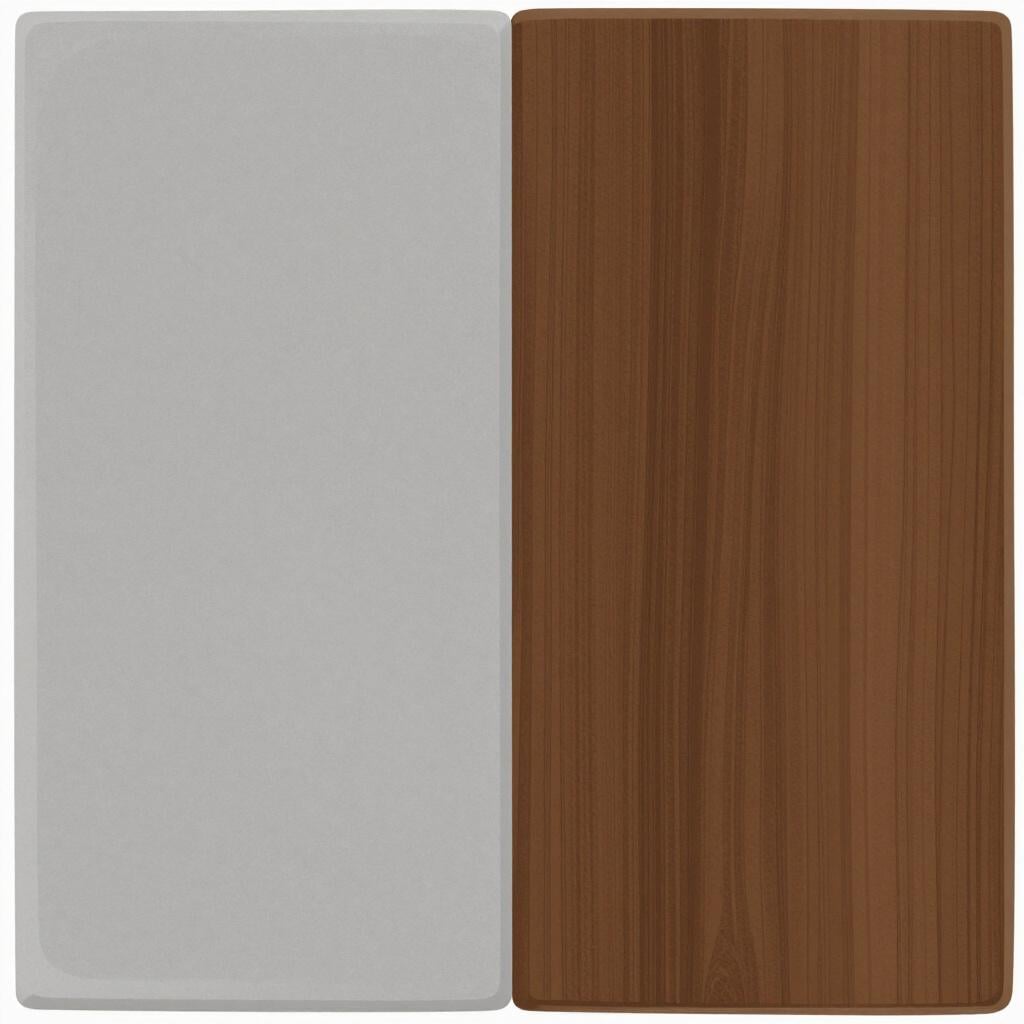
📝 In Action
Este suelo de vinilo imita la madera perfectamente.
B1This vinyl floor resembles wood perfectly.
Es una joya barata que imita el oro.
B2It is a cheap piece of jewelry that simulates gold.
La luz artificial intenta imitar la luz del sol.
C1The artificial light tries to mimic sunlight.
Subjunctive
Imperfect Subjunctive
Present Subjunctive
Indicative
Preterite
Imperfect
Present
Translate to Spanish
✏️ Quick Practice
Quick Quiz: imitar
Question 1 of 3
How do you say 'I copy my father'?
📚 More Resources
👥 Word Family▼
📚 Etymology▼
From the Latin word 'imitari', which means to copy, portray, or represent something.
First recorded: 13th century
Cognates (Related words)
💡 Master Spanish
Take your Spanish to the next level. Read 200+ illustrated and narrated Spanish stories tailored to your level with the Inklingo app!
Frequently Asked Questions
Is 'imitar' an irregular verb?
No, it is a perfectly regular -ar verb, so it follows all the standard conjugation patterns.
Can 'imitar' mean something negative?
Usually it is neutral. However, if someone is 'imitando' you in a childish way, it can imply mocking, but the word itself doesn't carry a negative weight like 'to counterfeit' always does.
What's the difference between 'imitar' and 'copiar'?
They are very similar. 'Copiar' is more common for written work or cheating, while 'imitar' is more common for voices, behavior, and physical styles.