infracción
“infracción” means “violation” in Spanish (breaking a rule or law).
violation, infractionAlso: breach, offense
📝 In Action
No puedes estacionar aquí, es una infracción.
A2You can't park here; it's a violation.
El conductor cometió una infracción grave al pasarse el semáforo en rojo.
B1The driver committed a serious offense by running the red light.
La empresa pagó una multa por la infracción de las normas de seguridad.
B2The company paid a fine for the breach of safety regulations.
Word Connections
Translate to Spanish
Words that translate to "infracción" in Spanish:
✏️ Quick Practice
Quick Quiz: infracción
Question 1 of 3
Which verb is most commonly used with 'infracción'?
📚 More Resources
👥 Word Family
🎵 Rhymes
📚 Etymology
From the Latin word 'infractio,' which literally means 'a breaking.' It comes from the same root as the English word 'fracture.' When you commit an 'infracción,' you are metaphorically 'breaking' a rule.
First recorded: 13th century
Cognates (Related words)
💡 Master Spanish
Take your Spanish to the next level. Read 200+ illustrated and narrated Spanish stories tailored to your level with the Inklingo app!
Frequently Asked Questions
Is 'infracción' only for legal things?
Mostly, yes. It is used for laws, traffic rules, or official regulations. For breaking a personal promise, words like 'traición' (betrayal) or 'falta' (fault) are better.
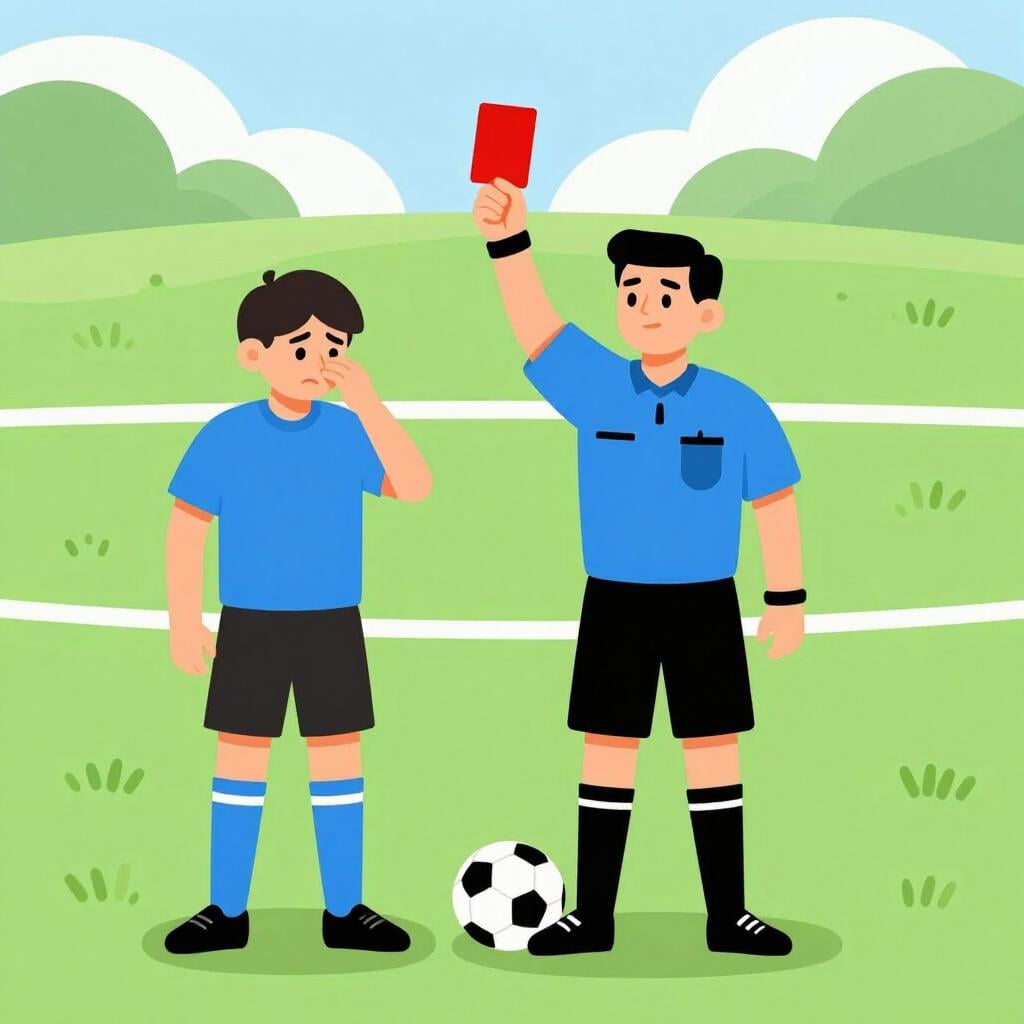
Can I use 'infracción' in sports?
Yes! In sports like soccer or basketball, when a player breaks a rule, it can be called an 'infracción,' though 'falta' (foul) is more common.
Is it a formal word?
It is neutral to formal. You will see it in official documents, but people also use it naturally when talking about why they got a speeding ticket.