mascar
“mascar” means “to chew” in Spanish (repetitive chewing of gum, tobacco, or objects).
to chew
Also: to munch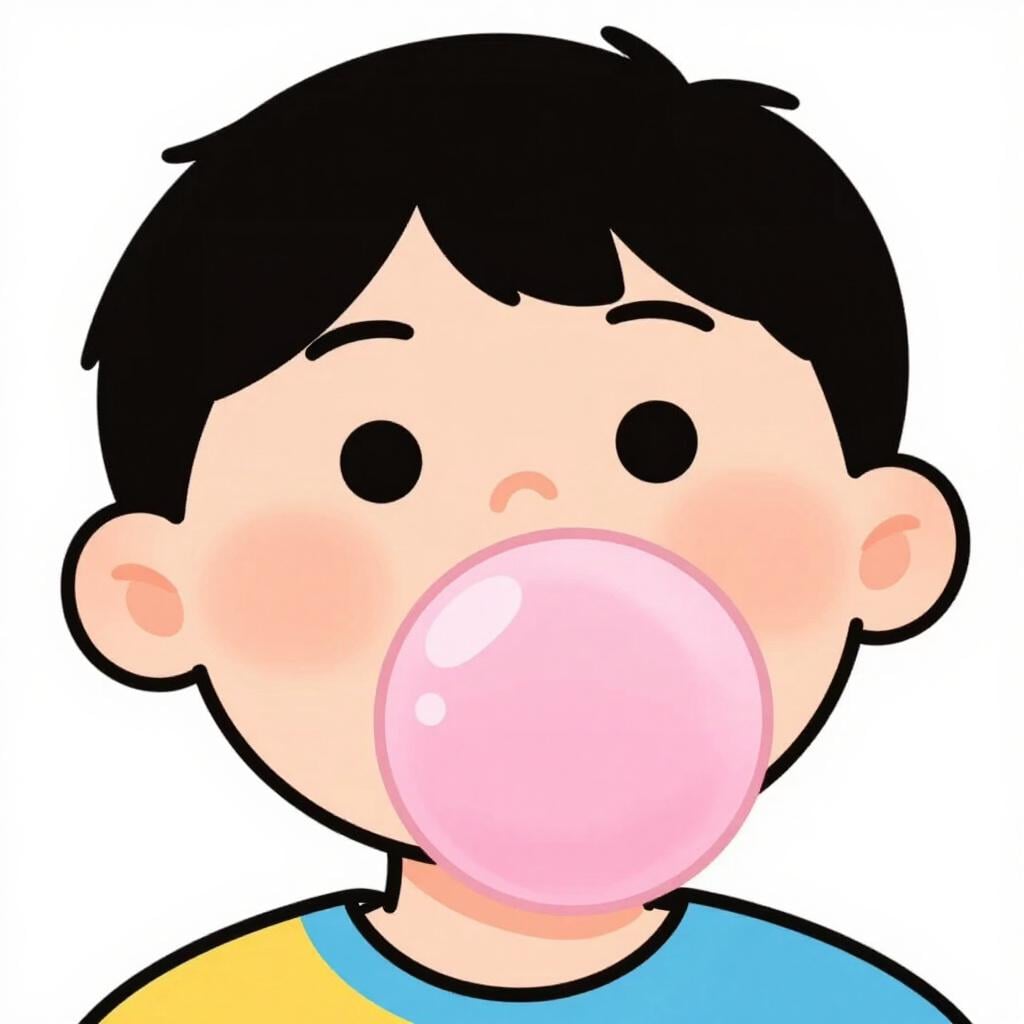
📝 In Action
No es bueno mascar chicle todo el día.
A1It's not good to chew gum all day.
El perro está mascando su juguete nuevo.
A2The dog is chewing on its new toy.
Él se quedó mascando la respuesta antes de hablar.
B2He sat there mulling over the answer before speaking.
Subjunctive
Imperfect Subjunctive
Present Subjunctive
Indicative
Preterite
Imperfect
Present
✏️ Quick Practice
Quick Quiz: mascar
Question 1 of 3
How do you say 'I chewed' in Spanish?
📚 More Resources
👥 Word Family▼
📚 Etymology▼
From the Late Latin word 'masticare', which also gave us the English word 'masticate'.
First recorded: 13th century
Cognates (Related words)
💡 Master Spanish
Take your Spanish to the next level. Read 200+ illustrated and narrated Spanish stories tailored to your level with the Inklingo app!
Frequently Asked Questions
Is 'mascar' irregular?
It is mostly regular, but it has a spelling change (c to qu) in the 'yo' form of the past tense and in all present subjunctive forms to maintain the hard 'k' sound.
Can I use 'mascar' for eating dinner?
You can, but 'masticar' or simply 'comer' (to eat) is much more natural. 'Mascar' sounds more like you are just grinding something in your mouth.
What does 'mascar la rabia' mean?
It's a figurative way to say someone is holding in their anger, literally 'chewing on their rage'.